
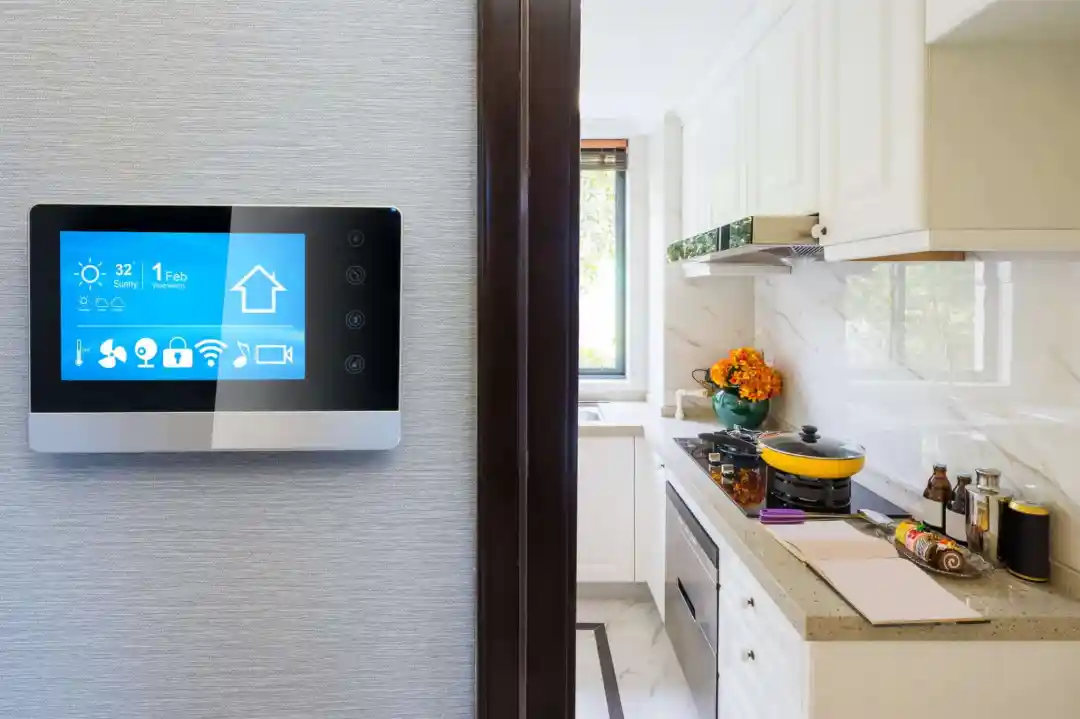

Short-term rental (STR) hosts and property managers are increasingly seeking ways to streamline guest check-ins, improve security, and reduce manual labor. One of the most effective solutions is to automate door access remotely. This approach not only enhances guest experience but also provides peace of mind for owners, knowing their property is secure and access is controlled from anywhere. In this guide, we’ll break down the core technologies, setup steps, and best practices for implementing remote entry systems in your rental properties.
Before diving into the technical details, it’s important to understand how smart access solutions fit within a broader property management strategy. Tools like scalable rental sensor systems can complement automated entry by offering additional monitoring and control, making your STR more attractive to guests and easier to manage.
Why Remote Door Automation Matters for Short-Term Rentals
Traditional key handoffs can be inconvenient and insecure. Lost keys, late arrivals, and last-minute bookings create stress for both hosts and guests. By leveraging remote door automation, you can:
- Offer self-check-in and self-check-out, improving guest satisfaction
- Reduce the risk of unauthorized entry or lost keys
- Manage access for cleaners, maintenance, and guests from anywhere
- Track entry logs for added security and transparency
Automated access also supports contactless operations—a feature that has become increasingly important in recent years.
Core Technologies for Remote Door Access
There are several types of smart locks and access control systems suitable for STRs. The most common options include:
- Wi-Fi or Z-Wave Smart Locks: These locks connect to your home network, allowing you to control them via smartphone apps or property management platforms.
- Keypad Locks: Guests receive unique codes that expire after their stay, eliminating the need for physical keys.
- Bluetooth and NFC Locks: These allow access via smartphone proximity, though they may require guests to download specific apps.
- Integrated Access Platforms: Some property management systems offer built-in access control, syncing with booking calendars and automating code generation.
When choosing a system, consider compatibility with your existing property management tools and the ease of use for both you and your guests.
Step-by-Step Guide to Setting Up Remote Entry
Implementing a remote access system for your STR involves several key steps. Here’s a practical roadmap:
-
Choose the Right Smart Lock:
- Look for models that support remote management, code generation, and integration with your booking platform.
- Popular brands include August, Schlage, Yale, and Kwikset.
-
Install the Lock:
- Most smart locks are designed for DIY installation and fit standard doors.
- Follow the manufacturer’s instructions carefully to ensure proper alignment and function.
-
Connect to Wi-Fi or Hub:
- Some locks connect directly to Wi-Fi, while others require a smart home hub (like SmartThings or Hubitat).
- Ensure your property has reliable internet coverage at the entry point.
-
Set Up Access Codes:
- Configure unique codes for each guest, cleaner, or contractor.
- Set codes to expire automatically after the reservation ends.
-
Integrate with Property Management Tools:
- Many platforms, such as Airbnb or Vrbo, support integration with smart locks for automatic code assignment.
- Consider using specialized solutions like Airbnb smart access control for seamless management.
-
Test and Monitor:
- Test the system before each guest arrives to ensure codes work and notifications are received.
- Monitor entry logs and receive alerts for unusual activity with a smart alert system for hosts.
Integrating Remote Door Automation with Other Smart Technologies
Automated entry is just one part of a modern STR tech stack. Combining it with other smart devices can further enhance security and convenience:
- Video Doorbells: See and communicate with guests or service providers remotely.
- Smart Thermostats: Control temperature settings for comfort and energy savings.
- Access Sensors: Use rental property access sensors to monitor when doors or windows are opened.
- Environmental Sensors: Detect smoke, CO, leaks, or excessive noise for proactive management.
For a deeper dive into the latest innovations, check out this comprehensive overview of smart technology for rental properties.
Best Practices for Secure and Seamless Remote Access
To maximize the benefits of remote door automation in your STR, follow these best practices:
- Regularly Update Codes: Always generate new codes for each guest and revoke old ones promptly.
- Monitor Access Logs: Review entry records to spot unusual patterns or unauthorized attempts.
- Maintain Hardware: Check batteries and connectivity for all smart devices regularly.
- Educate Guests: Provide clear instructions on how to use the smart lock and what to do if issues arise.
- Backup Entry Methods: Keep a physical key or alternative entry method available for emergencies.
By following these guidelines, you can ensure a smooth experience for guests and greater control over your property.
Common Challenges and How to Overcome Them
While automating door access remotely offers many advantages, there are some challenges to be aware of:
- Connectivity Issues: Smart locks require a stable Wi-Fi or hub connection. Use mesh networks or signal boosters if needed.
- Guest Tech Savvy: Not all guests are comfortable with smart devices. Offer simple, step-by-step guides and support.
- Integration Gaps: Some locks may not sync perfectly with all booking platforms. Test integrations before relying on automation.
- Battery Life: Smart locks run on batteries. Set reminders to check and replace them regularly.
Addressing these issues proactively will help you avoid disruptions and maintain a high standard of hospitality.
FAQ
What are the main benefits of automating door access for STRs?
Automating entry allows for self-check-in, improves security, and reduces manual coordination. Hosts can manage access codes remotely, monitor entry logs, and provide a smoother guest experience.
Do smart locks work with all types of doors?
Most modern smart locks are designed to fit standard deadbolt doors. However, always check compatibility with your specific door type and thickness before purchasing.
How secure are remote access systems compared to traditional keys?
Remote systems are generally more secure because codes can be changed easily, and there’s no risk of lost or copied keys. Entry logs provide an audit trail, and many systems offer additional security features like two-factor authentication.