
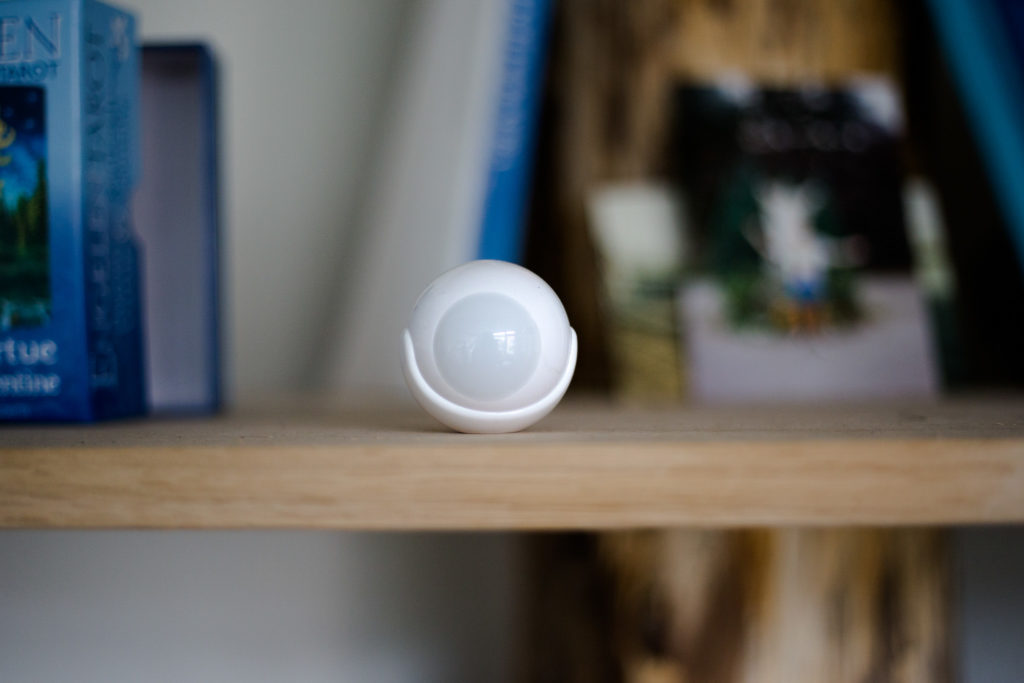

Protecting valuable rental properties and assets is a top priority for owners and managers. With the rise of connected technology, damage prevention smart sensors have become essential tools for minimizing risks, reducing maintenance costs, and ensuring guest safety. These innovative devices detect threats like water leaks, smoke, temperature fluctuations, and even rodent activity—often before visible damage occurs. By integrating these sensors into your rental operations, you can proactively address issues, maintain asset value, and provide a safer environment for tenants or guests.
Modern property management increasingly relies on data-driven solutions. Smart sensors offer real-time monitoring and instant alerts, enabling faster response times and more effective maintenance strategies. For those seeking to maximize profitability and minimize downtime, adopting these technologies is a logical next step.
For property owners interested in optimizing expenses, consider exploring rental cost optimization sensors that complement your damage prevention strategy. These solutions work hand-in-hand to safeguard your investment and streamline operations.
How Smart Sensors Prevent Costly Damage
Integrating damage prevention smart sensors into rental properties provides a proactive approach to asset protection. These devices continuously monitor for environmental changes and potential hazards, sending instant alerts to property managers or owners. This rapid notification system allows for immediate action, reducing the risk of extensive damage and expensive repairs.
- Water leak sensors detect moisture in areas prone to plumbing failures, such as kitchens, bathrooms, and basements.
- Smoke and fire detectors provide early warnings of fire hazards, helping to prevent catastrophic losses.
- Temperature and humidity monitors help maintain optimal conditions, preventing mold growth and damage to sensitive furnishings or electronics.
- Rodent and pest detectors alert owners to unwanted activity, allowing for swift intervention before infestations escalate.
By leveraging these technologies, rental operators can reduce insurance claims, avoid guest complaints, and maintain a positive reputation.
Types of Sensors for Rental Asset Protection
There is a wide range of smart devices designed to address specific risks in rental environments. Understanding the options available helps property managers select the right combination for their needs.
Leak and Moisture Detectors
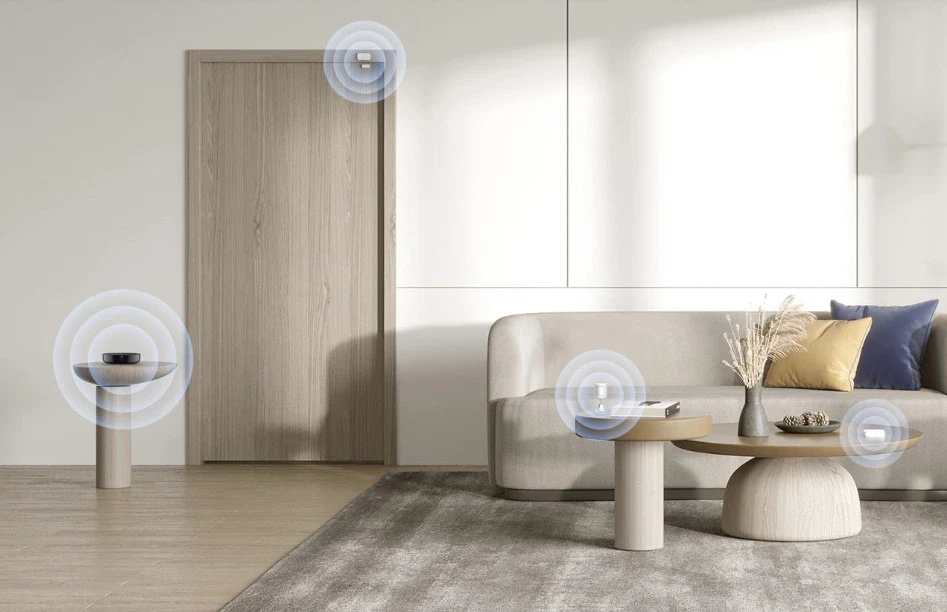
Leaks can cause significant structural damage and lead to costly repairs. Smart moisture sensors are placed near water heaters, under sinks, or in basements to catch leaks early. When water is detected, the system sends an alert to your phone or property management dashboard, allowing you to address the issue before it worsens.
Smoke and Fire Alarms
Modern smoke detectors are more than just alarms—they can send notifications to your phone, integrate with home automation systems, and even trigger emergency services. For high-value rentals, these features are crucial for both asset protection and guest safety.
Rodent and Pest Monitoring
Rodents can cause hidden damage to wiring, insulation, and stored items. Smart rodent detectors use motion sensors or infrared technology to identify activity in attics, basements, or storage areas. Early detection means you can intervene before pests cause expensive problems or disrupt guest experiences.
Temperature and Humidity Sensors
Maintaining stable indoor conditions is vital for preserving furniture, electronics, and even the building structure. Smart sensors monitor temperature and humidity, alerting you to conditions that could lead to mold, mildew, or other environmental damage.
Benefits of Implementing Smart Damage Prevention Solutions
Adopting damage prevention smart sensors offers a range of advantages for rental property owners and managers:
- Reduced maintenance costs: Early detection of issues means problems are fixed before they escalate.
- Lower insurance premiums: Many insurers offer discounts for properties equipped with smart monitoring devices.
- Improved guest satisfaction: Guests appreciate safe, well-maintained environments, leading to better reviews and repeat bookings.
- Asset value preservation: Preventing damage helps maintain the long-term value of your property and furnishings.
- Operational efficiency: Automated alerts and data-driven insights streamline property management tasks.
For those managing multiple properties, integrating these sensors into a central IoT hub can simplify monitoring and control, making it easier to scale your business.
Integration and Automation for Maximum Protection
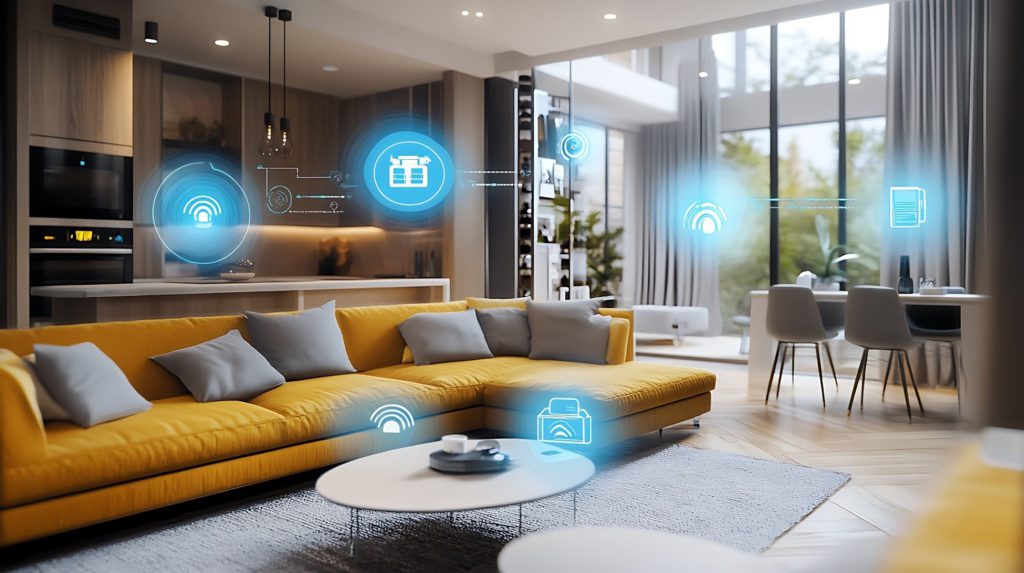
One of the greatest strengths of modern sensor technology is its ability to integrate with other smart home and property management systems. By connecting devices through a unified platform, you can automate responses and centralize monitoring. For example, a leak sensor can automatically shut off the water supply, or a smoke detector can trigger ventilation systems and send alerts to emergency contacts.
For a deeper understanding of how these devices fit into broader automation strategies, see this comprehensive guide to smart sensors and their role in home automation.
Choosing the Right Sensors for Your Rental Assets
When selecting damage prevention smart sensors for your property, consider the unique risks associated with your location, property type, and guest profile. For example, properties in flood-prone areas benefit from advanced water detection, while urban rentals may prioritize smoke and air quality monitoring. Evaluate devices for:
- Reliability and accuracy: Choose sensors with proven track records and positive reviews.
- Ease of installation: Wireless, battery-powered devices are ideal for retrofitting existing properties.
- Integration capabilities: Ensure compatibility with your property management software or smart home platform.
- Alert and notification features: Look for customizable alerts via SMS, email, or app notifications.
- Maintenance requirements: Opt for sensors with long battery life and minimal upkeep.
For those interested in comprehensive monitoring, consider expanding your setup with smart energy monitoring rentals or utility monitoring solutions to further safeguard your investment.
Best Practices for Implementing Sensor Technology
To maximize the benefits of smart sensors, follow these practical tips:
- Conduct a risk assessment: Identify areas most vulnerable to damage and prioritize sensor placement accordingly.
- Test devices regularly: Schedule routine checks to ensure sensors are functioning and connected to your network.
- Educate staff and guests: Provide clear instructions on what to do if an alert is triggered.
- Review data and trends: Use collected data to identify recurring issues and plan preventative maintenance.
- Stay updated: Keep firmware and software up to date for optimal performance and security.
Implementing these practices not only protects your property but also demonstrates a commitment to guest safety and asset longevity.
Frequently Asked Questions
What types of damage can smart sensors detect in rental properties?
Smart sensors can identify a range of risks, including water leaks, smoke and fire, temperature fluctuations, humidity changes, and pest or rodent activity. Some advanced systems also monitor for air quality and unauthorized entry.
Are smart sensors difficult to install in existing rental units?
Most modern sensors are designed for easy installation, often requiring no wiring or invasive modifications. Many are battery-powered and use wireless connectivity, making them suitable for both new and older properties.
How do smart sensors help reduce insurance costs?
By providing early warnings and reducing the likelihood of severe damage, smart sensors can lower the frequency and cost of insurance claims. Many insurers recognize this and offer premium discounts for properties equipped with these technologies.
Can these sensors be integrated with other property management tools?
Yes, many smart sensors are compatible with property management platforms and IoT hubs, allowing for centralized monitoring and automation. This integration streamlines operations and enhances overall protection.
Conclusion
Investing in damage prevention smart sensors is a practical step for anyone managing high-value rental assets. These devices offer peace of mind, operational efficiency, and significant cost savings by catching problems early and enabling rapid response. As technology continues to evolve, integrating smart monitoring solutions will become an industry standard for protecting property and ensuring guest satisfaction.