

Managing multiple rental properties comes with a unique set of challenges, especially when it comes to ensuring safety, security, and efficiency across different locations. Multi property sensor management has emerged as a practical solution for professional landlords who want to streamline operations, minimize risks, and improve tenant satisfaction. By leveraging smart sensors and centralized monitoring, landlords can proactively address issues like unauthorized access, environmental hazards, and maintenance needs—often before tenants even notice a problem.
As the rental market grows more competitive, adopting scalable sensor solutions is no longer just a convenience—it’s a necessity. With the right system in place, property owners can monitor everything from smoke and water leaks to occupancy and air quality, all from a single dashboard. This guide explores the essentials of managing sensors across multiple properties, the benefits for landlords, and how to choose the right technology for your portfolio.
For those seeking to expand their capabilities, exploring scalable rental sensor systems can provide valuable insights into building a robust infrastructure that grows with your property portfolio.
Why Centralized Sensor Oversight Matters for Landlords
Landlords with several properties face logistical hurdles that single-property owners rarely encounter. Coordinating maintenance, ensuring compliance, and responding to emergencies across different sites can quickly become overwhelming. Multi property sensor management platforms address these challenges by providing a unified interface for monitoring and controlling all connected devices.
- Real-time alerts: Receive instant notifications for smoke, water leaks, or break-ins, allowing for rapid response and reduced damage.
- Remote monitoring: Check the status of sensors in all units from anywhere, reducing the need for frequent site visits.
- Automated reporting: Generate maintenance and compliance reports with minimal manual effort, saving time and reducing errors.
- Tenant satisfaction: Proactive issue detection leads to fewer disruptions and a safer living environment, which can boost tenant retention.
Types of Sensors for Multi-Unit Portfolios
Selecting the right mix of sensors is key to effective property oversight. The most common devices used in multi-unit environments include:
- Smoke and CO detectors: Essential for safety compliance and early fire or gas leak detection.
- Water leak sensors: Prevent costly damage by alerting you to leaks in basements, bathrooms, or kitchens.
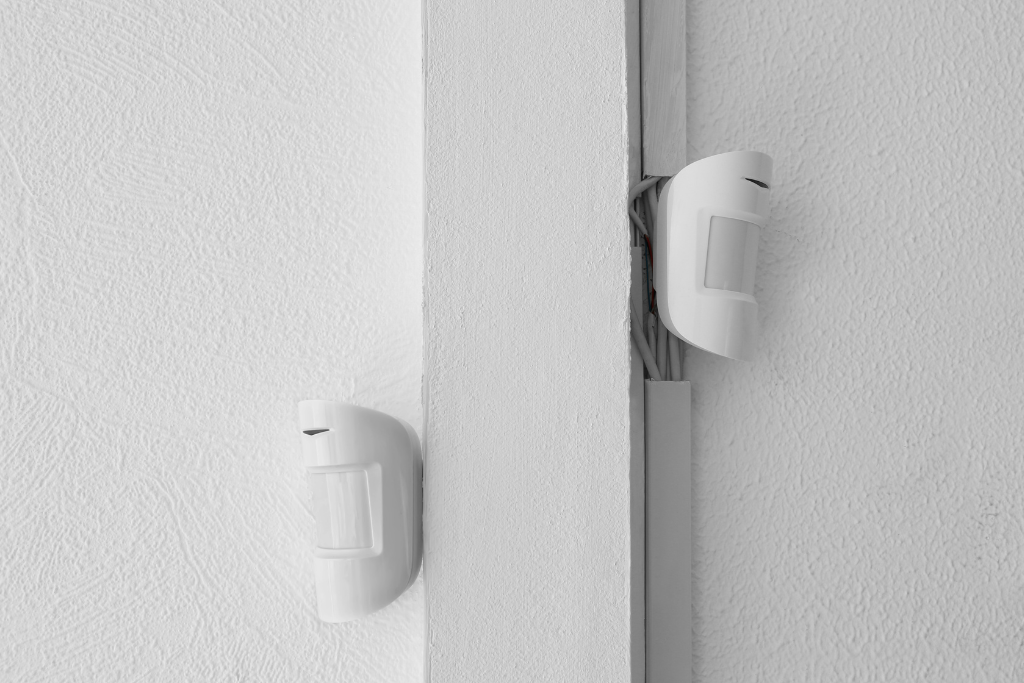
- Motion and occupancy sensors: Useful for monitoring unauthorized access or optimizing energy usage in common areas.
- Entry sensors: Track door and window openings to enhance security and monitor guest turnover.
- Environmental sensors: Monitor temperature, humidity, and air quality to maintain healthy living conditions.
- Rodent and pest detectors: Identify infestations early to avoid property damage and tenant complaints.
For a deeper dive into integrating smart technology across your portfolio, consider reading about property manager smart sensors and how they can streamline daily operations.
Key Features of Modern Sensor Management Platforms
The backbone of effective multi property sensor management is a robust platform that brings together all your devices and data. When evaluating solutions, look for these essential features:
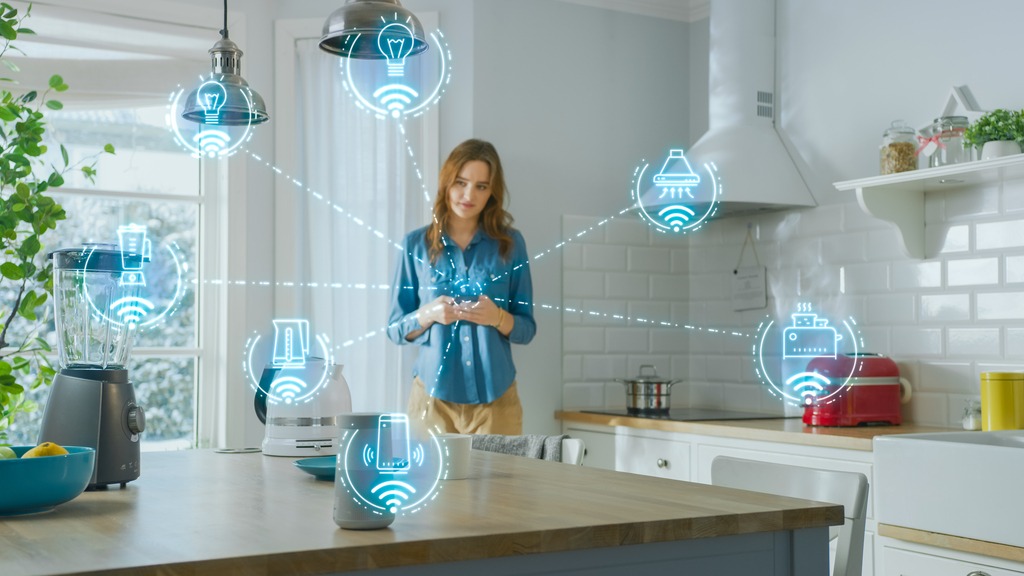
- Unified dashboard: A single interface to view sensor status, receive alerts, and manage devices across all properties.
- Mobile access: Apps or mobile-friendly web portals allow you to check in on your properties from anywhere.
- Integration with other systems: Compatibility with smart locks, HVAC controls, and security cameras enhances automation and control.
- Customizable notifications: Set thresholds and notification preferences for different types of incidents or properties.
- Data analytics: Historical data and trend analysis can help you identify recurring issues and optimize maintenance schedules.
For landlords managing short-term rentals or vacation properties, integrating a smart alert system for hosts can further enhance responsiveness and guest safety.
Choosing the Right Sensors for Your Portfolio
Not all sensors are created equal, and choosing the right devices depends on your property types, local regulations, and specific risks. When selecting hardware, consider:
- Battery life and maintenance: Long-lasting, low-maintenance sensors reduce the need for frequent replacements and site visits.
- Wireless connectivity: Wireless sensors are easier to install and move, especially in older buildings or units with limited wiring.
- Reliability and accuracy: Choose devices with proven track records and positive reviews from other landlords.
- Compliance: Ensure all devices meet local safety codes and insurance requirements.
- Scalability: Opt for systems that can grow with your portfolio, allowing you to add new properties or sensor types as needed.
For a comprehensive overview of sensor options and their applications, visit this guide to choosing sensors for property management.

Integrating Access and Security Sensors
Security is a top priority for landlords, especially in multi-unit buildings. Integrating rental property access sensors allows you to monitor entry points, track guest arrivals and departures, and receive alerts for unauthorized access. When combined with smart locks and surveillance cameras, these sensors provide a comprehensive security solution that can be managed remotely.
For those managing short-term rentals, remote access control is especially valuable. Learn more about how to manage permissions and enhance guest experience with Airbnb smart access control solutions.
Best Practices for Multi-Unit Sensor Oversight
To maximize the benefits of your sensor network, follow these best practices:
- Standardize devices: Use the same brands and models across properties to simplify maintenance and training.
- Schedule regular checks: Test sensors periodically and replace batteries or devices as needed to ensure reliability.
- Document everything: Keep records of installations, maintenance, and incidents for insurance and compliance purposes.
- Educate tenants: Inform residents about the presence and purpose of sensors to build trust and encourage cooperation.
- Review analytics: Use platform data to identify trends, such as frequent leaks or false alarms, and address underlying issues.
FAQ: Multi-Unit Sensor Management for Landlords
What are the main benefits of using centralized sensor management for multiple properties?
Centralized sensor oversight allows landlords to monitor all units from a single dashboard, receive instant alerts for emergencies, automate compliance reporting, and reduce the need for on-site visits. This leads to faster response times, lower maintenance costs, and improved tenant satisfaction.
How do I choose the right sensors for my rental properties?
Consider your property types, local regulations, and specific risks. Focus on essential devices like smoke detectors, water leak sensors, and access monitors. Choose reliable, wireless models with long battery life and ensure they meet safety codes. For more details, refer to a comprehensive sensor selection guide.
Can these systems integrate with other smart property technologies?
Yes, most modern sensor management platforms can integrate with smart locks, HVAC controls, security cameras, and even property management software. This creates a seamless ecosystem for automation, security, and efficiency across your entire portfolio.