
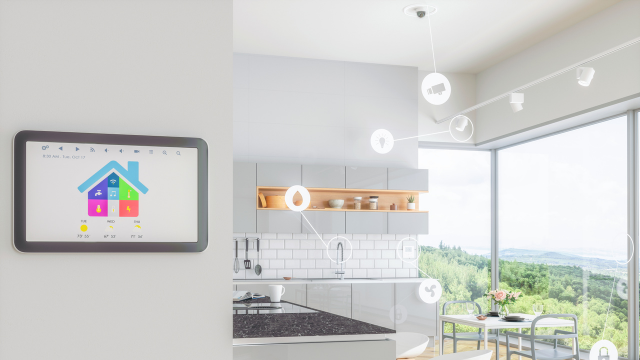

As property management evolves, landlord IoT monitoring devices have become essential tools for efficiently overseeing rental assets from afar. These smart technologies offer real-time insights, automate routine checks, and help landlords maintain security and compliance—all without needing to be physically present. By integrating connected sensors and devices, property owners can streamline operations, reduce risks, and improve tenant satisfaction.
Remote asset management is no longer a luxury for large-scale operators; it’s increasingly accessible and practical for individual landlords and small portfolios. From monitoring environmental conditions to detecting unauthorized access, these solutions provide actionable data that helps prevent costly issues and supports proactive maintenance. For those managing multiple properties or units, scalable options like scalable rental sensor systems can further simplify oversight and growth.
Understanding IoT Solutions for Property Owners
The Internet of Things (IoT) refers to a network of interconnected devices that collect and exchange data. In the context of rental properties, these devices can include smart thermostats, leak detectors, smoke alarms, motion sensors, and more. By deploying these tools, landlords gain access to real-time alerts and analytics that help them manage properties efficiently and respond to issues promptly.
For example, a smart water leak sensor can immediately notify the owner of a plumbing issue, allowing for quick intervention before major damage occurs. Similarly, smart locks and access sensors provide visibility into who enters and exits a property, enhancing security and simplifying key management.
Key Benefits of Remote Asset Monitoring
Adopting IoT monitoring devices for landlords brings a range of advantages that go beyond simple convenience:
- Proactive Maintenance: Early detection of leaks, temperature fluctuations, or smoke can prevent expensive repairs and property damage.
- Enhanced Security: Smart access controls and motion sensors help deter unauthorized entry and provide peace of mind to both landlords and tenants.
- Operational Efficiency: Automating routine checks and receiving instant alerts reduces the need for on-site visits, saving time and travel costs.
- Tenant Satisfaction: Quick response to maintenance issues and improved safety features can lead to higher tenant retention and positive reviews.
- Regulatory Compliance: Devices like smart smoke detectors help ensure properties meet local safety standards and regulations.
Landlords managing several units can also benefit from solutions tailored for larger portfolios, such as property manager smart sensors that offer centralized dashboards and customizable alerts.
Types of Smart Monitoring Devices for Landlords
A variety of connected devices are available to help landlords monitor and manage their properties remotely. Some of the most popular options include:
- Smart Smoke and Carbon Monoxide Detectors: These devices send instant alerts to your phone if smoke or dangerous gases are detected, helping ensure tenant safety and compliance with regulations.
- Water Leak Sensors: Placed near appliances or pipes, these sensors can detect leaks early and prevent water damage.
- Rodent and Pest Monitors: Smart rodent detectors can alert landlords to pest activity, allowing for prompt intervention before infestations escalate.
- Access Control Systems: Smart locks and entry sensors provide detailed logs of property access and can be managed remotely, which is especially useful for short-term rentals.
- Environmental Sensors: Devices that monitor temperature, humidity, and air quality help maintain a healthy living environment and protect property assets.
For those interested in secure entry management, solutions like rental property access sensors offer additional control over who can enter your units and when.
How IoT Devices Work Together for Seamless Oversight
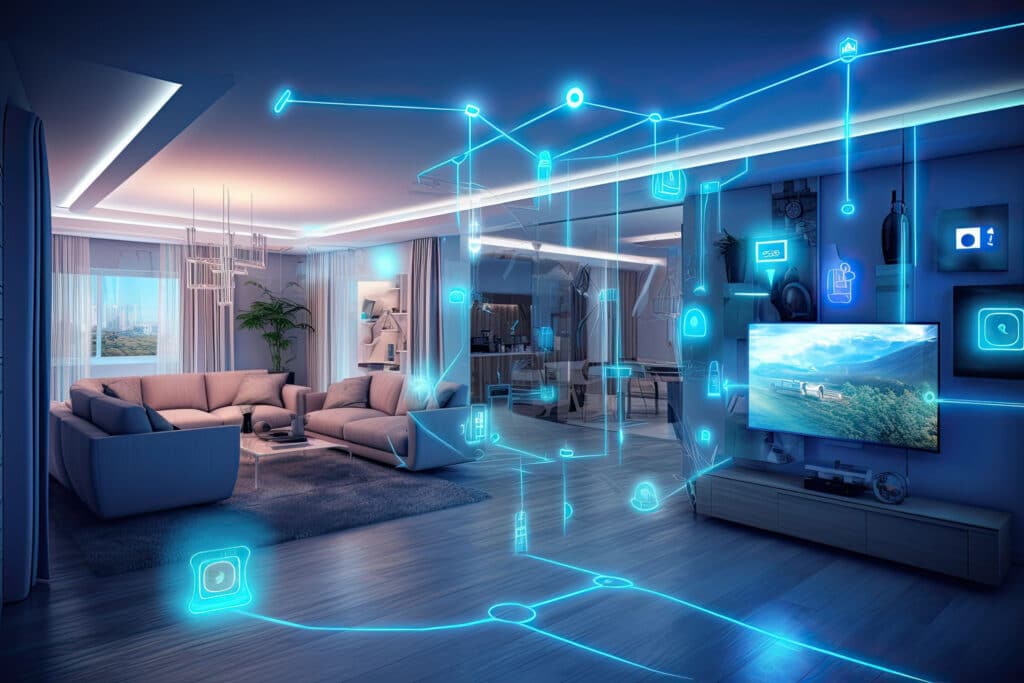
The real power of IoT in property management comes from integrating multiple devices into a unified system. Many modern platforms allow landlords to monitor all their sensors and devices from a single dashboard, receive automated reports, and set up custom alerts for specific events. This interoperability ensures that no critical information is missed and that landlords can act quickly when needed.
For example, a smart alert system can notify you instantly if a smoke detector is triggered or if a door is opened unexpectedly. Platforms like smart alert system for hosts are designed to provide these instant notifications, helping landlords stay informed and responsive.
Choosing the Right IoT Devices for Your Rental Properties
Selecting the best monitoring solutions depends on your property type, location, and specific management needs. Here are some factors to consider:
- Compatibility: Ensure devices can integrate with your preferred management platform or ecosystem for seamless control.
- Scalability: If you plan to expand your portfolio, choose systems that can grow with your needs, such as those designed for multi-unit management.
- Ease of Installation: Many modern devices are wireless and easy to install, minimizing disruption for tenants.
- Data Security: Look for devices that offer robust encryption and privacy controls to protect sensitive information.
- Support and Updates: Choose reputable brands that provide regular firmware updates and customer support.
For short-term rental operators, access management is especially important. Platforms like Airbnb smart access control allow for remote permission management and detailed access logs, improving both security and guest experience.
Best Practices for Implementing Remote Monitoring
To maximize the value of your investment in landlord IoT monitoring devices, follow these best practices:
- Conduct a property assessment to identify areas where monitoring will have the most impact.
- Prioritize devices that address your biggest risks, such as water leaks, fire, or unauthorized access.
- Inform tenants about the presence and purpose of monitoring devices to maintain transparency and trust.
- Regularly review device data and alerts to stay ahead of maintenance issues and ensure compliance.
- Stay updated on new technologies and features that can further enhance your property management strategy.
For more information on smart home sensors and their applications, you can explore IBM’s overview of smart home sensors and how they are transforming property management.
Frequently Asked Questions
What types of properties benefit most from IoT monitoring?
Both single-family rentals and multi-unit buildings can benefit from IoT monitoring. The technology is especially useful for landlords who manage properties remotely or have multiple locations, as it reduces the need for on-site visits and enables proactive maintenance.
Are IoT monitoring devices difficult to install?
Most modern devices are designed for easy installation, often requiring minimal tools and no professional assistance. Many are wireless and can be set up in minutes, making them suitable for both new and existing properties.
How do these devices improve security for landlords and tenants?
Smart monitoring devices provide real-time alerts for unauthorized access, environmental hazards, and maintenance issues. This allows landlords to respond quickly to potential threats, while tenants benefit from enhanced safety and faster resolution of problems.