
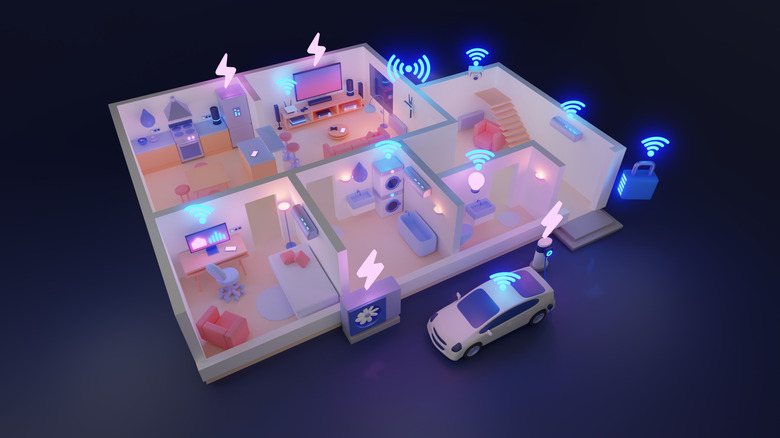

Property managers face a constant challenge: how to prevent costly water damage and maintain safe, efficient buildings. Leaks, burst pipes, and undetected moisture can lead to expensive repairs, insurance claims, and even tenant displacement. In recent years, smart water sensors property management solutions have emerged as a proactive way to monitor water usage, detect leaks early, and reduce risks across residential and commercial properties.
These connected devices provide real-time alerts, enabling swift intervention before minor issues escalate into major disasters. By integrating advanced water monitoring technology, property managers can not only protect assets but also improve operational efficiency and tenant satisfaction. For those overseeing multiple units or remote locations, the benefits of automated water monitoring are especially compelling.
If you’re interested in a broader overview of sensor-based protection for rental properties, rental home safety sensors offer additional insights into essential guest safety measures.
How Smart Water Sensors Work in Modern Buildings
Today’s water monitoring devices use a combination of sensors, wireless connectivity, and cloud-based analytics to provide continuous oversight of plumbing systems. Most units are battery-powered or plug-in, and can be placed near high-risk areas such as water heaters, under sinks, behind toilets, or in basements. When the sensor detects moisture or abnormal water flow, it sends an instant alert to property managers via smartphone app, email, or text message.
Some advanced systems integrate with building automation platforms, allowing for remote shutoff of water supply in the event of a detected leak. This rapid response capability is crucial for minimizing damage, especially in multi-unit dwellings or facilities that may be vacant for extended periods.
Key Benefits of Water Monitoring for Property Managers
Adopting smart water sensors property management solutions delivers several advantages:
- Early Leak Detection: Receive instant notifications when leaks, drips, or flooding are detected, allowing for immediate action.
- Reduced Repair Costs: By catching problems early, property managers can avoid expensive structural repairs and mold remediation.
- Lower Insurance Premiums: Many insurers offer discounts for properties equipped with leak detection technology, recognizing the reduced risk.
- Improved Tenant Satisfaction: Tenants appreciate quick responses to maintenance issues and the peace of mind that comes with proactive management.
- Remote Monitoring: Ideal for vacation rentals, remote homes, or properties with infrequent occupancy, allowing oversight without being on-site.
For those managing short-term rentals or vacation properties, specialized water leak sensors for vacation rentals can further streamline risk management and maintenance.
Types of Smart Water Sensors for Buildings
There are several categories of water monitoring devices suitable for property management:
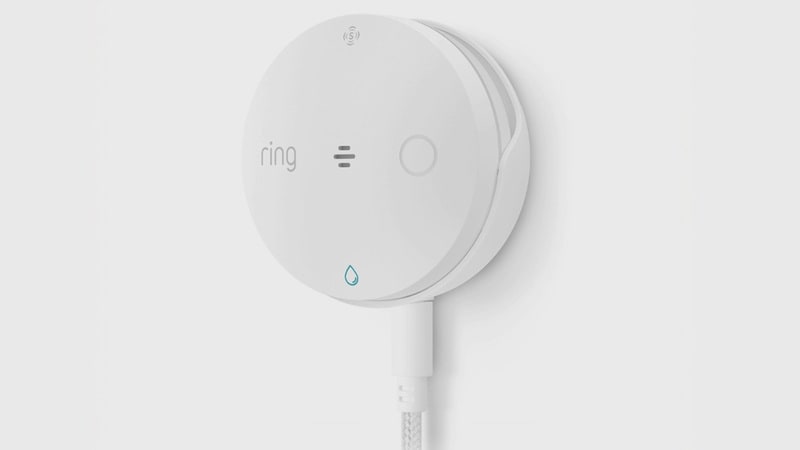
- Point Leak Detectors: Placed at specific locations, these sensors trigger alerts when water is detected at the device’s base.
- Flow-Based Sensors: Installed on main water lines, these monitor water usage patterns and can detect unusual spikes or continuous flow, indicating leaks or running fixtures.
- Integrated Shutoff Valves: These combine leak detection with automated shutoff, stopping water flow automatically when a problem is detected.
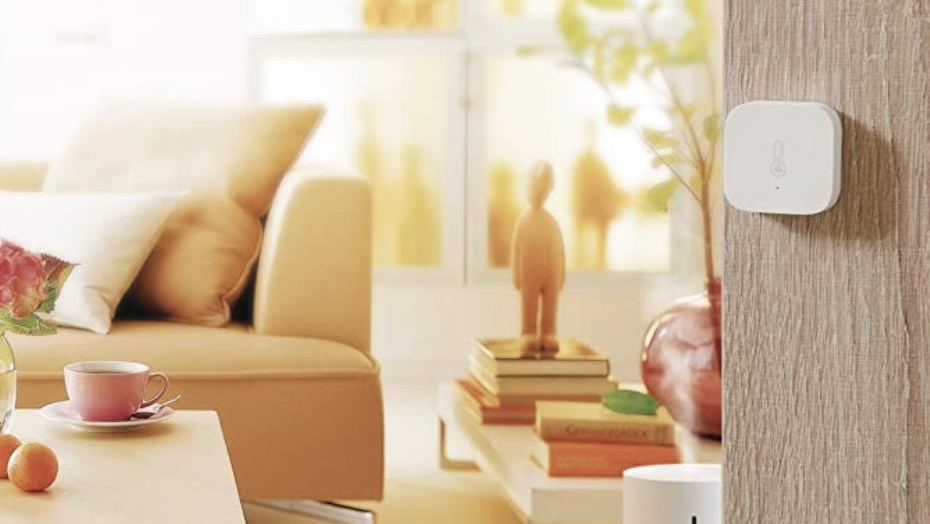
- Humidity and Temperature Sensors: Useful for identifying conditions that can lead to condensation, mold, or freezing pipes.
Selecting the right mix depends on the property’s layout, plumbing configuration, and risk profile. For rental properties, combining smart leak detection sensors rentals with other environmental monitors can provide comprehensive protection.
Implementing Water Monitoring in Property Management
Deploying a network of water sensors requires careful planning. Start by identifying high-risk zones—such as laundry rooms, mechanical closets, kitchens, and areas below grade. Install sensors in these locations and test their connectivity and alert functions. For larger buildings, consider a centralized dashboard that aggregates data from all units, making it easier to monitor trends and respond quickly.
Integration with existing building management systems can further streamline operations. Many modern sensors are compatible with smart home platforms, allowing property managers to receive alerts alongside other security or maintenance notifications. For a broader look at sensor integration, see this guide to rental property security system sensors.
Choosing the Right Water Sensor Solution
When evaluating options, property managers should consider:
- Connectivity: Wi-Fi, Zigbee, or Z-Wave compatibility for integration with existing smart home or building systems.
- Alert Methods: Ensure the system can send notifications via multiple channels (app, SMS, email) for redundancy.
- Battery Life: Longer battery life reduces maintenance and ensures continuous protection.
- Ease of Installation: Look for sensors that are easy to deploy and relocate as needed.
- Data Analytics: Some platforms offer usage reports and trend analysis, helping managers identify inefficiencies or recurring issues.
For a comprehensive review of top-rated devices and compatibility with voice assistants, consider this expert guide to smart home sensors for Alexa.
Best Practices for Risk Mitigation with Water Sensors
To maximize the benefits of smart water sensors property management solutions, follow these best practices:
- Conduct Regular Inspections: Test sensors periodically to ensure they are functioning and communicating properly.
- Educate Tenants: Inform residents about the presence and purpose of water sensors, and encourage them to report any alerts or unusual activity.
- Integrate with Other Safety Systems: Combine water monitoring with smoke, carbon monoxide, and security sensors for holistic property protection. For more on this, explore the benefits of smart security sensors for Airbnb.
- Respond Promptly to Alerts: Establish protocols for responding to sensor notifications to minimize downtime and damage.
- Review Data Trends: Use analytics to identify recurring issues, such as seasonal leaks or high-usage periods, and address root causes.
FAQ: Water Sensor Technology for Property Managers
How do smart water sensors help reduce insurance claims?
By detecting leaks and water damage early, these devices enable property managers to intervene before significant damage occurs. This proactive approach reduces the frequency and severity of insurance claims, which can lead to lower premiums and improved insurability.
Are smart water sensors difficult to install in older buildings?
Most modern water sensors are designed for easy installation and do not require invasive plumbing work. Battery-powered options can be placed wherever needed, making them suitable for both new and older properties.
Can water sensors be integrated with other smart building systems?
Yes, many water monitoring devices are compatible with popular smart home platforms and building automation systems. This allows property managers to receive consolidated alerts and automate responses, such as shutting off water supply or notifying maintenance staff.
Conclusion
Adopting smart water sensors property management strategies is a practical, cost-effective way to protect assets, reduce risk, and enhance tenant satisfaction. With a range of devices available and increasing compatibility with other building systems, now is an ideal time for property managers to invest in water monitoring technology. By taking a proactive approach, you can safeguard your properties from one of the most common—and costly—sources of damage.