

Short-term rental owners and property managers are increasingly turning to smart occupancy analytics rentals solutions to gain deeper insights into how guests use their spaces. As the vacation rental market grows more competitive, understanding guest behavior, optimizing property usage, and ensuring safety and compliance are essential for maximizing returns and delivering a seamless experience. This article explores how modern occupancy analytics can transform rental management, improve guest satisfaction, and help you make data-driven decisions for your business.
By leveraging advanced sensors and data platforms, you can monitor occupancy patterns, detect anomalies, and respond proactively to issues such as unauthorized parties or excessive energy use. Integrating these technologies not only enhances operational efficiency but also supports compliance with local regulations and helps protect your investment. For those looking to further enhance their rental operations, consider exploring the smart rental analytics platform, which offers actionable insights for better ROI.
What Is Smart Occupancy Analytics?
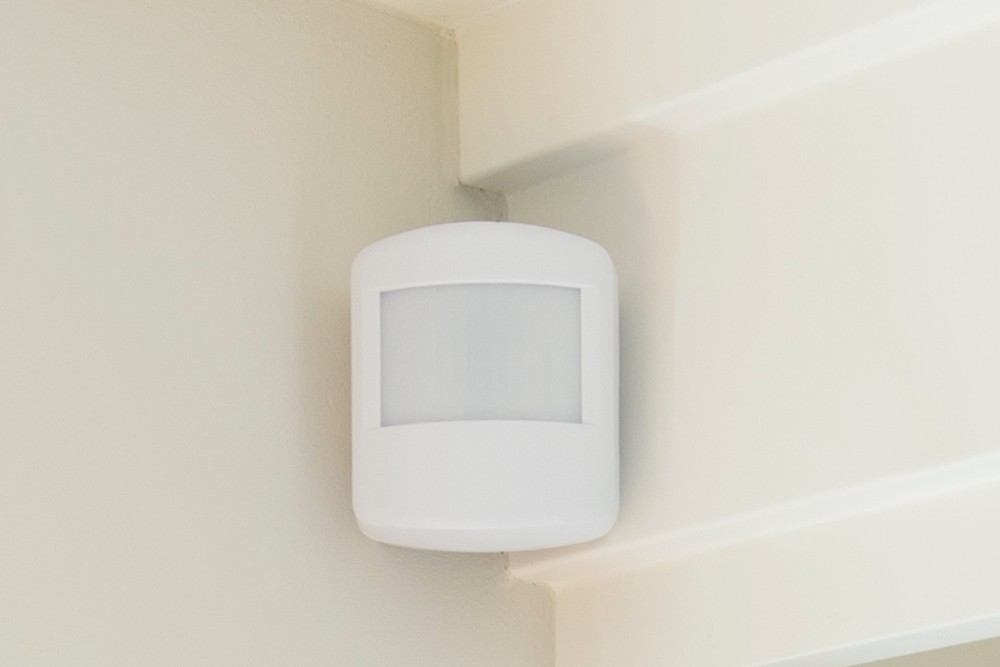
At its core, smart occupancy analytics refers to the use of connected devices—such as motion sensors, door sensors, and environmental monitors—to collect and analyze data about how a rental property is used. These systems provide real-time and historical insights into guest presence, movement patterns, and even environmental conditions like temperature and humidity. By analyzing this data, property managers can make informed decisions about cleaning schedules, maintenance, and guest services.
Unlike traditional security systems, which focus solely on intrusion detection, modern occupancy analytics platforms deliver a holistic view of guest activity. This approach enables you to identify trends, spot irregularities, and optimize your operations for both profitability and guest comfort.
Benefits of Occupancy Analytics for Rental Properties
Implementing smart occupancy analytics rentals solutions offers a range of tangible benefits for property owners and managers:
- Enhanced Security: Detect unauthorized access, parties, or unexpected occupancy, helping you respond quickly to potential issues.
- Operational Efficiency: Automate cleaning and maintenance schedules based on actual usage, reducing costs and improving guest turnover.
- Energy Savings: Adjust heating, cooling, and lighting based on occupancy patterns to minimize waste and lower utility bills.
- Regulatory Compliance: Ensure adherence to local occupancy limits and safety regulations, reducing the risk of fines or penalties.
- Improved Guest Experience: Personalize services, streamline check-ins, and address guest needs proactively by understanding their behavior.
For those managing multiple properties or seeking advanced features, integrating occupancy analytics with a suite of safety tech sensors can further enhance your ability to monitor and protect your rentals.
Key Technologies Powering Smart Rental Analytics
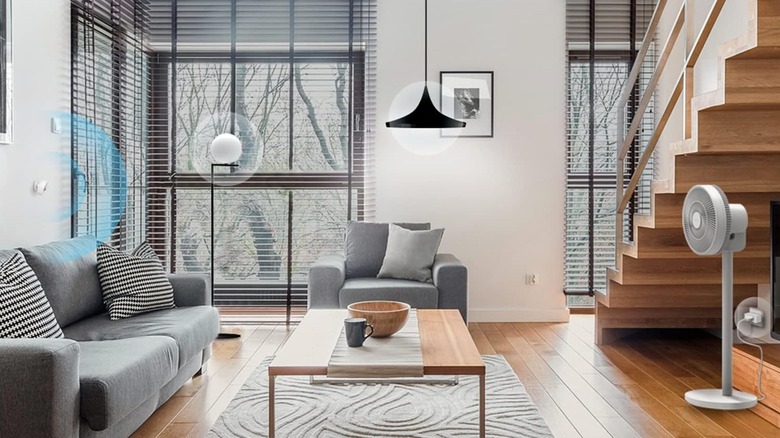
Several types of sensors and devices form the backbone of effective occupancy analytics in rental properties. Here are some of the most impactful technologies:
- Motion Sensors: Detect movement within rooms to determine presence and activity levels.
- Door and Window Sensors: Monitor entries and exits, helping track when guests arrive or leave.
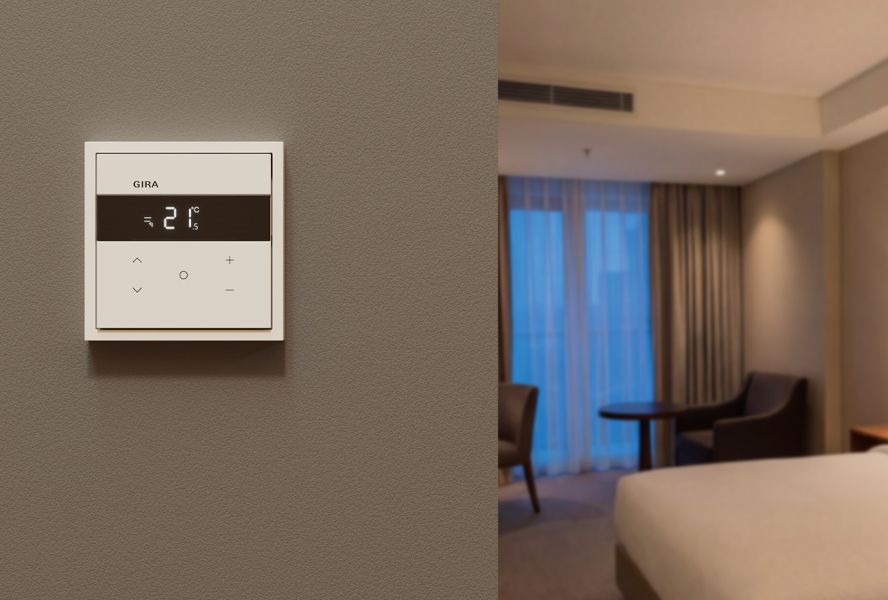
- Environmental Sensors: Measure temperature, humidity, and air quality to ensure guest comfort and safety.
- Noise Monitors: Identify excessive noise that could indicate parties or disturbances, supporting compliance with local ordinances.
- Smart Cameras: Provide visual verification of occupancy while respecting guest privacy (often limited to exterior or common areas).
Combining these devices with a centralized analytics platform allows you to visualize data, set up automated alerts, and generate reports for ongoing optimization. For a deeper dive into the types of sensors available, see this comprehensive guide to smart home sensors.
How Occupancy Analytics Improves Guest Understanding
One of the most valuable aspects of smart occupancy analytics rentals is the ability to truly understand guest behavior. By analyzing data on when and how spaces are used, you can:
- Identify peak check-in and check-out times to streamline operations.
- Detect underutilized spaces and consider repurposing or marketing them differently.
- Spot patterns that may indicate unauthorized guests or potential security risks.
- Personalize guest experiences by anticipating needs, such as adjusting climate controls or offering tailored amenities.
For example, if analytics reveal that guests rarely use a particular room, you might convert it into a workspace or add amenities to increase its appeal. Similarly, consistent data on guest numbers can help you comply with local occupancy limits and avoid regulatory issues. To further protect your property, consider integrating rental fraud detection sensors for added peace of mind.
Privacy, Compliance, and Guest Trust
While the benefits of occupancy analytics are clear, it’s crucial to balance data collection with guest privacy and regulatory compliance. Here are some best practices:
- Transparency: Clearly communicate to guests what types of sensors are in use and how data is handled.
- Privacy-First Devices: Use non-intrusive sensors (such as motion or environmental sensors) in private spaces, reserving cameras for public or exterior areas only.
- Data Security: Ensure all collected data is securely stored and only accessible to authorized personnel.
- Compliance: Stay up to date with local laws regarding surveillance, data privacy, and guest notification requirements.
Building trust with guests not only protects your reputation but also encourages positive reviews and repeat bookings. For more on maintaining good relationships with neighbors and local authorities, review strategies involving noise complaint prevention sensors.
Integrating Analytics with Other Smart Rental Solutions
Occupancy analytics works best when integrated with other smart rental technologies. For example, pairing analytics with smart guest verification sensors can streamline check-ins and reduce the risk of unauthorized bookings. Combining multiple solutions creates a comprehensive ecosystem that supports security, efficiency, and guest satisfaction.
Many modern platforms offer dashboards that aggregate data from various sensors, allowing you to monitor all aspects of your property from a single interface. This holistic approach saves time, reduces manual oversight, and empowers you to make proactive decisions that benefit both your business and your guests.
FAQ
How do smart occupancy analytics differ from traditional security systems?
Traditional security systems focus on detecting intrusions or break-ins, while smart occupancy analytics provide detailed insights into guest presence, movement, and usage patterns. This broader data set enables property managers to optimize operations, personalize guest experiences, and ensure compliance beyond just security concerns.
Are these analytics solutions difficult to install and manage?
Most modern occupancy analytics devices are designed for easy installation and integration. Wireless sensors can often be set up without professional assistance, and many platforms offer user-friendly dashboards for monitoring and analysis. For larger or more complex properties, professional installation may be beneficial to ensure optimal coverage and functionality.
What steps can I take to ensure guest privacy when using occupancy sensors?
To protect guest privacy, use non-intrusive sensors in private areas, avoid placing cameras in bedrooms or bathrooms, and always disclose the presence of monitoring devices in your rental’s listing and welcome materials. Secure all collected data and comply with local privacy regulations to maintain trust and transparency.