
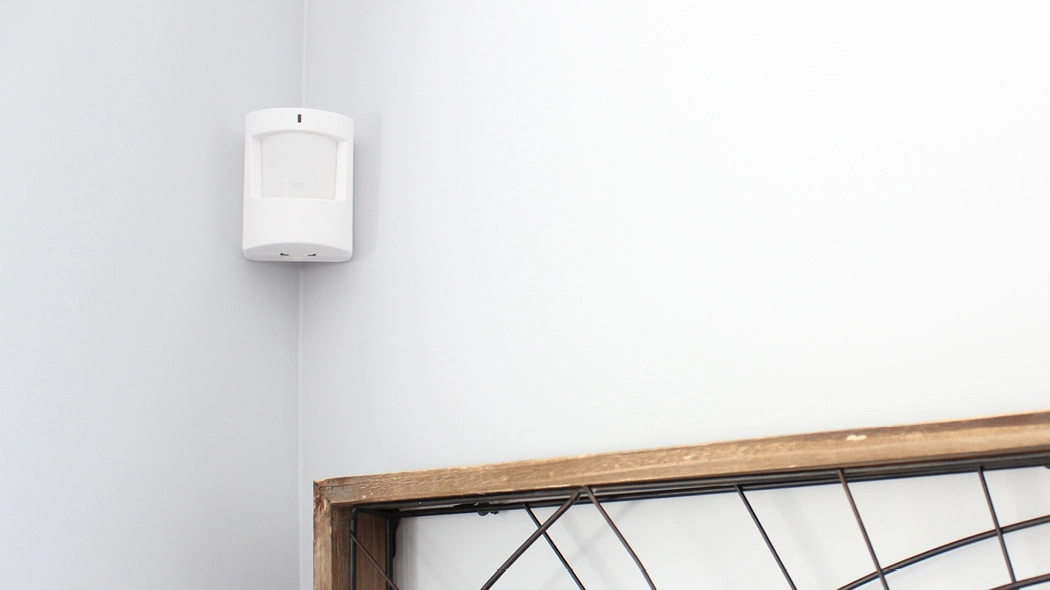

Managing short-term rentals comes with unique challenges, especially when it comes to maintaining a peaceful environment for guests and neighbors. Smart noise compliance devices Airbnb hosts rely on are designed to help property owners monitor sound levels, prevent disturbances, and stay compliant with local regulations. These innovative solutions not only protect your property but also enhance the guest experience and safeguard your rental business from potential complaints or penalties.
With the rise of city ordinances and stricter community guidelines, integrating smart technology into your rental operations is no longer optional for many hosts. These devices offer real-time alerts, automated reporting, and seamless integration with other smart home tools, making them a practical choice for anyone looking to streamline property management. If you oversee multiple units, you may also benefit from exploring scalable rental sensor systems that grow with your portfolio.
Why Noise Monitoring Matters for Short-Term Rentals
Noise complaints are one of the most common issues reported by neighbors of short-term rental properties. Excessive sound can lead to strained community relations, fines, or even loss of your rental license. By using smart noise compliance devices, hosts can proactively address potential problems before they escalate.
These devices continuously measure decibel levels and send instant notifications if thresholds are exceeded. This allows you to intervene quickly—often before guests or neighbors even notice a problem. Many cities now require noise monitoring as part of their short-term rental regulations, so staying ahead with technology is both a best practice and, in some cases, a legal necessity.
How Smart Sound Sensors Work in Airbnb Settings
Modern sound monitoring devices are designed for privacy and efficiency. They do not record conversations or capture personal data; instead, they simply track sound intensity. When a certain decibel level is reached, the device sends an alert to the host via an app or email. Some systems also generate compliance reports, which can be shared with local authorities if needed.
Integration with other smart home systems is a key advantage. For example, you can pair noise sensors with Airbnb smart access control solutions to automate responses, such as sending guests a polite reminder if noise levels rise late at night. This seamless automation helps maintain a positive guest experience while ensuring you meet all compliance requirements.
Key Features to Look for in Noise Compliance Technology
When selecting a noise monitoring solution for your rental, consider these essential features:
- Real-time alerts: Immediate notifications allow you to address issues as they happen.
- Customizable thresholds: Set decibel limits that match your property’s needs and local rules.
- Privacy protection: Devices should never record or transmit actual conversations.
- Automated reporting: Generate logs for compliance or dispute resolution.
- Integration: Compatibility with other smart home systems, such as property manager smart sensors or security platforms, can add value.
- Easy installation: Wireless, battery-powered models are ideal for rental environments.
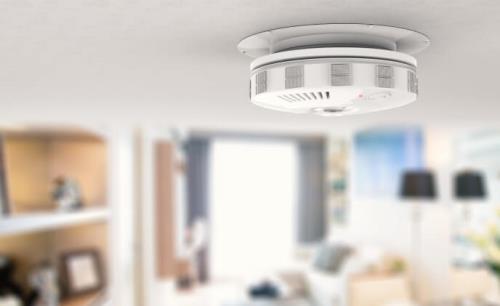
Some advanced devices also offer environmental monitoring, such as humidity or occupancy detection, giving hosts even more insight into property conditions.
Benefits for Hosts, Guests, and Neighbors
Deploying smart noise compliance devices Airbnb hosts trust brings benefits to all parties involved:
- Hosts: Reduce the risk of fines, negative reviews, and license revocation. Automated alerts mean less manual oversight.
- Guests: Clear guidelines and gentle reminders help maintain a respectful atmosphere, leading to better reviews and repeat bookings.
- Neighbors: Enjoy peace of mind knowing that noise is being monitored and managed proactively.
For property managers with multiple listings, these solutions can be scaled and managed from a central dashboard, saving time and reducing operational headaches.
Integrating Sound Monitoring with Other Smart Rental Tools
Combining noise sensors with other smart devices can further enhance your rental’s security and compliance. For instance, pairing with rental property access sensors allows you to track both entry events and sound levels, creating a comprehensive monitoring system. This integration can help you quickly identify unauthorized gatherings or potential security concerns.
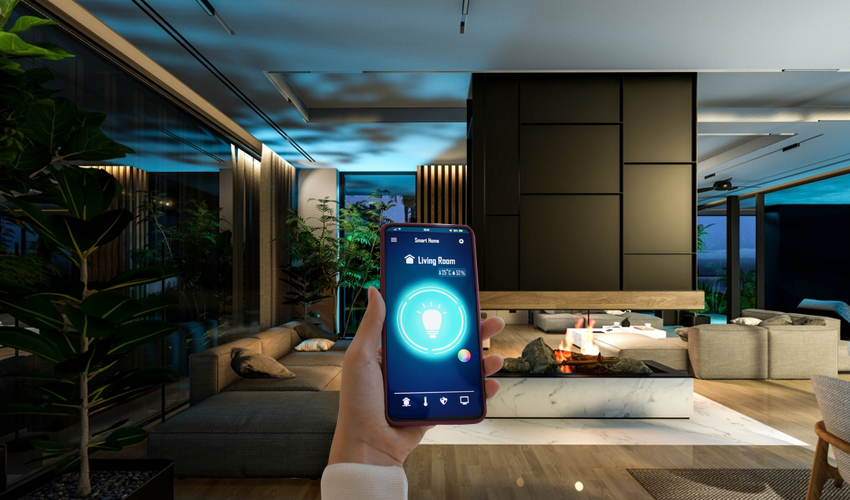
Some hosts also use smart lighting, smoke detectors, and environmental sensors to create a fully automated rental experience. These technologies can be managed remotely, reducing the need for on-site intervention and streamlining operations.
Staying Compliant with Local Rental Regulations
Many municipalities have introduced strict rules for short-term rentals, including mandatory noise monitoring. Failing to comply can result in hefty fines or even bans. By installing smart noise compliance devices, you demonstrate a proactive commitment to community standards and legal requirements.
Some platforms and local governments require proof of compliance, such as automated reports or device certification. Be sure to choose a solution that meets your area’s specific guidelines. For more details on integrating smart automation with your property, see this comprehensive guide to smart rental automation.
Common Challenges and How to Overcome Them
While the benefits are clear, some hosts worry about privacy, installation complexity, or false alarms. The latest devices address these concerns by focusing solely on sound levels, offering easy plug-and-play setup, and allowing you to fine-tune sensitivity to avoid unnecessary notifications.
It’s also important to communicate with your guests about the presence and purpose of these devices. Transparency builds trust and ensures everyone understands the importance of maintaining a respectful environment.
Choosing the Right Solution for Your Property
There are many options on the market, from basic decibel monitors to advanced systems with multi-sensor capabilities. Consider the size of your property, the typical guest profile, and any local requirements when making your selection. If you manage a portfolio of units, look for solutions that offer centralized control and easy scalability. You can also explore smart alert system for hosts to further automate your property management workflow.
Investing in reliable sound monitoring is a small price to pay for peace of mind, smoother operations, and long-term rental success.
FAQ
Are smart noise monitoring devices legal to use in short-term rentals?
Yes, as long as they do not record or transmit conversations. These devices are designed to measure sound levels only, ensuring guest privacy while helping hosts comply with local regulations.
How do I notify guests about the presence of noise sensors?
It’s best practice to mention sound monitoring in your listing description and house rules. Upon check-in, remind guests that the device is present for community compliance and does not record personal information.
Can noise compliance technology help prevent parties in my Airbnb?
Absolutely. Real-time alerts allow you to intervene quickly if noise levels suggest a party or unauthorized gathering, helping you maintain control and avoid complaints or penalties.
Do these devices require Wi-Fi to function?
Most modern noise sensors rely on Wi-Fi to send real-time alerts and generate reports. Some models offer offline logging, but connectivity is recommended for full functionality.
What other smart devices should I consider for my rental?
In addition to noise monitors, consider smart locks, smoke detectors, and environmental sensors. Integrating these tools creates a safer, more efficient rental experience for both hosts and guests.