
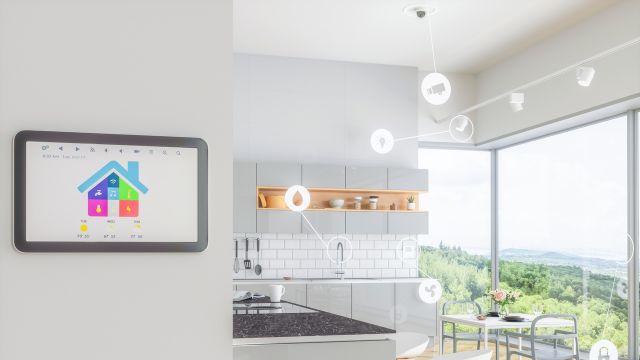

Managing a short-term rental comes with a unique set of challenges, especially when it comes to maintaining the property’s condition between guest stays. One of the most overlooked risks is excess moisture, which can lead to mold, property damage, and even negative guest reviews. Smart humidity monitoring airbnb solutions are now essential tools for hosts who want to protect their investment, ensure guest comfort, and avoid costly repairs.
By leveraging connected sensors and automated alerts, property owners can keep an eye on humidity levels in real time, no matter where they are. This proactive approach not only safeguards your asset but also demonstrates a commitment to high standards, which can boost your reputation and occupancy rates.
For hosts managing multiple properties or scaling up, integrating scalable rental sensor systems can streamline monitoring and maintenance, making it easier to respond quickly to any issues that arise.
Why Humidity Control Matters in Short-Term Rentals
Humidity is more than just a comfort factor—it directly impacts the integrity of your property and the well-being of your guests. High moisture levels can cause:
- Mold and mildew growth, which can damage walls, ceilings, and furniture
- Unpleasant odors that linger between guest stays
- Warped wood floors, peeling paint, and rusted fixtures
- Increased risk of pest infestations
- Health concerns for guests, especially those with allergies or asthma
On the other hand, air that is too dry can also be problematic, leading to cracked wood, static electricity, and discomfort. The ideal indoor humidity range is typically between 30% and 50%. Maintaining this balance is crucial for both property preservation and guest satisfaction.
How Smart Sensors Transform Airbnb Property Management
Traditional humidity gauges require manual checks, which are impractical for remote hosts or those with back-to-back bookings. Smart humidity monitoring airbnb systems automate this process by:
- Providing real-time data through mobile apps or web dashboards
- Sending instant alerts if humidity moves outside preset thresholds
- Integrating with other smart home devices for automated climate control
- Logging historical data to identify patterns and prevent recurring issues
These features empower hosts to act quickly—whether that means adjusting a thermostat, activating a dehumidifier, or dispatching maintenance before a minor problem escalates.
Key Features to Look for in Humidity Monitoring Solutions
When selecting a system for your rental, consider these important features:
- Wireless connectivity (Wi-Fi, Zigbee, or Z-Wave) for remote access
- Easy integration with existing smart home platforms
- Customizable alert settings for different rooms or zones
- Long battery life or reliable power options
- Data logging and export capabilities for maintenance tracking
Some advanced systems also offer temperature, air quality, and leak detection, providing a comprehensive environmental monitoring solution. For hosts managing several units, centralized dashboards can simplify oversight and reporting.
Integrating Humidity Sensors with Other Smart Home Devices
Combining smart humidity monitoring airbnb devices with other technologies can create a seamless, automated environment. For example:
- Link humidity sensors to smart thermostats to automatically adjust heating or cooling
- Trigger dehumidifiers or exhaust fans when moisture exceeds safe levels
- Receive alerts alongside smoke or CO alarms for a full safety suite
For a deeper dive into how these systems work together, see IBM’s overview of smart home sensors and their benefits.
Hosts can further enhance security and guest experience by integrating with solutions like Airbnb smart access control for remote entry management or smart alert system for hosts to receive instant property notifications.
Best Practices for Implementing Humidity Monitoring in Rentals
To get the most out of your monitoring system, follow these practical tips:
- Strategic placement: Install sensors in areas most prone to moisture, such as bathrooms, kitchens, basements, and near HVAC equipment.
- Set clear thresholds: Adjust alert levels based on your local climate and the specific needs of your property.
- Regular maintenance: Test devices between guest stays and replace batteries or calibrate as needed.
- Educate guests: Include brief instructions in your house manual about using exhaust fans or reporting leaks.
- Combine with other smart sensors: Consider adding property manager smart sensors for a holistic approach to property care.
By staying proactive, you can avoid emergencies and maintain a high standard for your rental business.
Benefits of Smart Humidity Monitoring for Airbnb Hosts
Investing in these technologies offers several advantages:
- Asset protection: Prevent costly repairs by catching issues early
- Guest satisfaction: Provide a comfortable, healthy environment
- Operational efficiency: Reduce manual checks and streamline maintenance
- Regulatory compliance: Meet health and safety standards in many jurisdictions
- Competitive edge: Stand out in the marketplace with modern amenities
For hosts who manage multiple properties, these systems can be scaled up, making it easier to monitor several units from a single dashboard.
Frequently Asked Questions
How does smart humidity monitoring work in a rental property?
These systems use wireless sensors to measure moisture levels in real time. Data is sent to a cloud platform or mobile app, allowing hosts to monitor conditions remotely and receive alerts if humidity moves outside safe parameters. This enables rapid response to leaks, spills, or ventilation issues before they cause damage.
Can humidity sensors be integrated with other smart home devices?
Yes, many modern sensors are compatible with smart thermostats, dehumidifiers, and alert systems. This allows for automated climate control and a comprehensive approach to property management. Integration with platforms like Alexa, Google Home, or dedicated rental management systems is common.
Is it difficult to install and maintain these monitoring systems?
Most devices are designed for easy installation, often requiring no more than adhesive strips or simple mounting hardware. Maintenance typically involves periodic battery replacement and occasional calibration. Many systems offer user-friendly apps for setup and ongoing management.
Are there privacy concerns with installing sensors in guest spaces?
Humidity sensors do not record audio or video and are generally considered non-intrusive. However, it’s best practice to disclose their presence in your listing and guest manual for transparency and to comply with local regulations.
Conclusion
Adopting smart humidity monitoring airbnb technology is a practical step for any host who wants to protect their property, enhance guest comfort, and streamline operations. By choosing the right system and integrating it with other smart devices, you can stay ahead of potential issues and maintain your rental’s reputation for quality and care. For more information on advanced monitoring solutions, explore resources on rental property access sensors and other smart technologies designed for short-term rentals.