

For property owners and managers, keeping rental homes secure is a top priority. With the rise of connected technology, smart motion sensors for rentals have become an effective and flexible solution to enhance security without requiring permanent changes to the property. These devices are especially valuable for landlords, Airbnb hosts, and tenants who want to monitor activity, deter intruders, and receive instant alerts—all while respecting privacy and lease agreements.
Modern motion sensors are easy to install, often wireless, and can be integrated with other smart devices to create a comprehensive security system. Whether you manage a single apartment or a portfolio of short-term rentals, these sensors offer peace of mind and practical benefits for both owners and occupants.

For those managing multiple units, exploring scalable rental sensor systems can help streamline security across your entire portfolio. This guide will walk through the key features, benefits, and considerations for choosing the right motion detection technology for rental properties.
Why Choose Smart Motion Sensors for Rental Properties?
Integrating smart motion sensors for rentals offers several advantages that traditional security systems may not provide. These devices are designed with flexibility and convenience in mind, making them ideal for properties where tenants change frequently or where permanent installations are not allowed.
- Easy Installation: Most smart sensors are wireless and battery-powered, requiring no drilling or wiring. This makes them suitable for both landlords and tenants.
- Remote Monitoring: Receive instant notifications on your smartphone when motion is detected, allowing you to respond quickly to potential issues.
- Integration with Other Devices: Many sensors work seamlessly with smart locks, cameras, and alarm systems, creating a layered security approach.
- Privacy-Friendly: Unlike cameras, motion sensors detect movement without recording video, addressing privacy concerns for renters.
- Portability: Devices can be easily removed and reinstalled in another property, making them a cost-effective investment for property managers.
For hosts seeking even more proactive security, consider pairing motion sensors with a smart alert system for hosts to receive instant property notifications and streamline your response to incidents.
Key Features to Look for in Rental-Friendly Motion Sensors
When selecting motion detection devices for rental units, it’s important to focus on features that maximize security while minimizing hassle for both property owners and tenants. Here are some essential characteristics to consider:
- Wireless Connectivity: Look for devices that connect via Wi-Fi or Zigbee, eliminating the need for hardwiring.
- Mobile App Support: The ability to control and monitor sensors from a smartphone app is crucial for remote management.
- Customizable Sensitivity: Adjustable detection ranges help avoid false alarms from pets or HVAC systems.
- Battery Life: Choose sensors with long-lasting batteries to reduce maintenance and avoid frequent replacements.
- Integration Capabilities: Compatibility with platforms like Alexa, Google Home, or Apple HomeKit allows for automation and voice control.
- Simple Mounting Options: Adhesive strips or magnetic mounts make installation and removal easy without damaging walls.
For a deeper dive into the technical aspects and sensor types, check out this comprehensive guide to choosing sensors for smart homes.
Enhancing Security and Peace of Mind with Smart Detection
Smart motion sensors are not just about detecting intruders—they also help with everyday safety and property management. For example, they can notify you if a door or window is left open, or if there is unexpected activity during vacancy periods. Some advanced models even integrate with environmental sensors to detect smoke, water leaks, or temperature changes, providing a holistic approach to rental property safety.
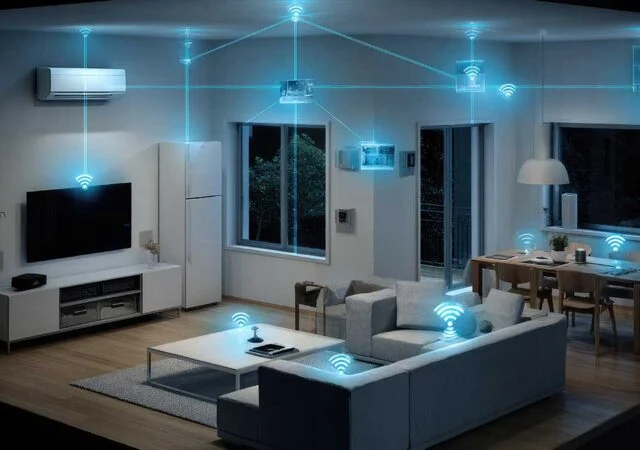
For multi-unit properties, leveraging property manager smart sensors can help monitor several spaces at once, reducing the risk of unnoticed incidents and improving overall efficiency.
Installation and Maintenance Tips for Rental Environments
One of the main benefits of using smart motion sensors for rentals is their straightforward installation process. Here are some practical tips to ensure optimal performance and tenant satisfaction:
- Choose Non-Invasive Mounting: Use adhesive pads or magnetic brackets to avoid damaging walls or fixtures.
- Test Placement: Before finalizing installation, test the sensor’s range and sensitivity to minimize false alarms.
- Inform Tenants: Clearly communicate the purpose and function of the sensors to tenants, emphasizing privacy and safety.
- Regular Checks: Schedule periodic battery checks and software updates to maintain reliability.
- Document Installation: Keep records of sensor locations and settings for future reference or when transitioning between tenants.
For hosts interested in managing access as well as security, integrating Airbnb smart access control can further streamline guest check-ins and enhance property protection.
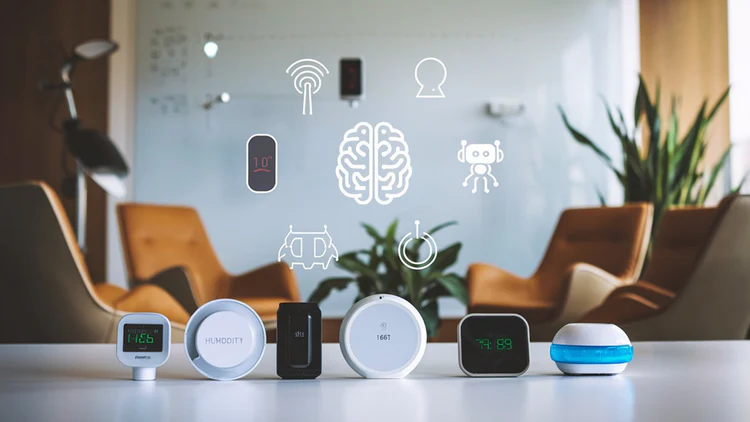
For secure entry management, pairing motion sensors with rental property access sensors can help ensure only authorized individuals enter the premises, further boosting security for both guests and owners.
Integrating Motion Sensors with Other Smart Devices
To maximize the benefits of motion detection, consider integrating sensors with other smart home devices. Automation routines can be set up to trigger lights, alarms, or notifications based on detected movement. For example, a sensor in the entryway can automatically turn on hallway lights when someone enters at night, or send an alert if movement is detected during vacancy periods.
Popular integration options include:
- Smart Locks: Automatically lock doors when no motion is detected for a set period.
- Security Cameras: Activate recording only when motion is detected to save storage and respect privacy.
- Environmental Sensors: Combine with smoke, CO, or water leak detectors for comprehensive protection.
- Voice Assistants: Use Alexa, Google Assistant, or Siri for hands-free control and status updates.
This interconnected approach not only enhances safety but also provides a modern, tech-forward experience for tenants and guests.
Frequently Asked Questions
Are smart motion sensors allowed in rental properties?
Most wireless motion sensors are non-invasive and do not require permanent installation, making them suitable for rentals. However, it’s important to review lease agreements and local regulations, and always inform tenants about any installed devices to ensure transparency and compliance.
How do smart motion sensors protect privacy?
Unlike cameras, motion sensors detect movement without capturing images or audio. This helps maintain tenant privacy while still providing security alerts. Many devices also allow for customizable sensitivity and scheduling to further respect occupants’ routines.
Can motion sensors be integrated with other smart home devices?
Yes, many modern sensors support integration with smart locks, lights, cameras, and environmental detectors. This allows property owners to automate routines, receive comprehensive alerts, and create a seamless security system tailored to their needs.
What should I do if a tenant wants to remove or relocate a sensor?
Since most rental-friendly sensors use adhesive or magnetic mounts, they can be easily moved without damaging surfaces. Landlords should provide clear instructions for safe removal and reinstallation, and document any changes for future reference.