
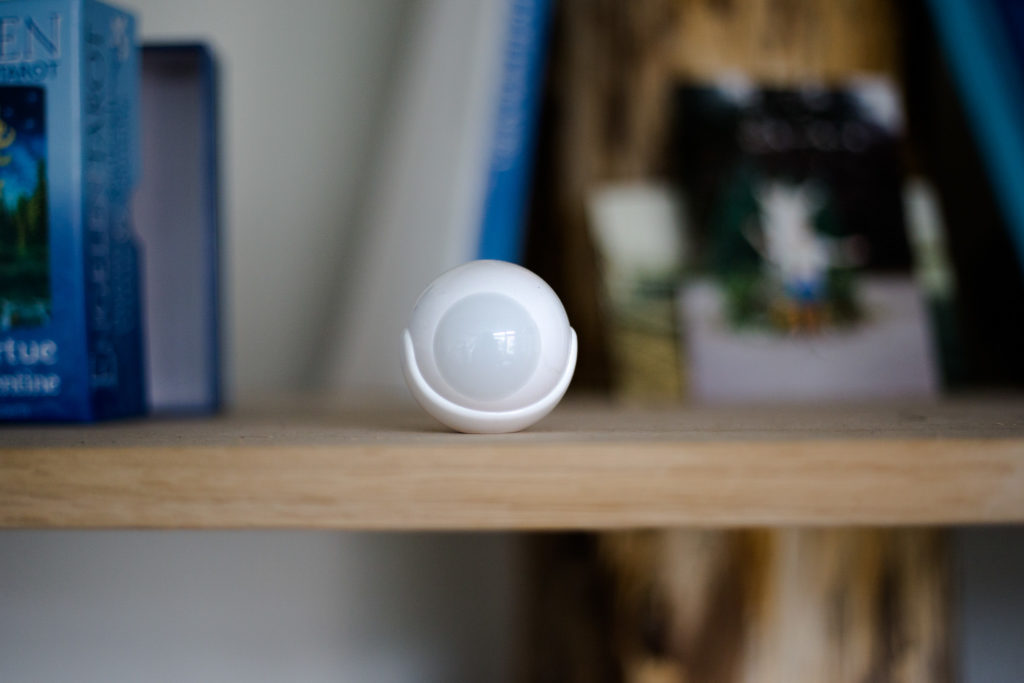

Property managers and hosts are increasingly turning to smart rental analytics devices to gain actionable insights into their rental operations. These advanced tools offer real-time data on occupancy, energy usage, guest behavior, and maintenance needs, helping owners optimize performance and improve guest satisfaction. As the rental industry becomes more competitive, leveraging intelligent analytics is no longer optional—it’s a strategic necessity.
From small-scale hosts to managers of multi-unit portfolios, the adoption of connected sensors and monitoring solutions is transforming how rental properties are managed. These devices not only provide transparency but also enable proactive decision-making, reducing costs and minimizing risks. For those managing several units, integrating scalable rental sensor systems can be a game-changer, allowing for centralized oversight and streamlined operations.
Understanding Connected Analytics for Rentals
Modern rental analytics solutions consist of a network of sensors and devices that collect and transmit data about various aspects of a property. These can include:
- Occupancy sensors that detect when a space is in use
- Environmental monitors for temperature, humidity, and air quality
- Energy consumption trackers
- Noise and motion detectors
- Security and access control systems
The data gathered is typically sent to a central dashboard, where property managers can view trends, receive alerts, and generate reports. By analyzing this information, managers can identify inefficiencies, predict maintenance needs, and enhance the guest experience.
For a deeper dive into how these technologies integrate with home automation, consider reading a guide to smart sensors and their role in home automation.
Key Benefits of Smart Rental Analytics Devices
Implementing smart rental analytics devices offers a range of advantages for both short-term and long-term rental operators. Some of the most significant benefits include:
- Improved Operational Efficiency: Automated data collection reduces manual checks and paperwork, freeing up time for higher-value tasks.
- Cost Savings: Real-time monitoring helps identify wasted energy, water leaks, or unauthorized usage, leading to lower utility bills and maintenance costs.
- Enhanced Security: Integrated access sensors and alert systems help prevent unauthorized entry and ensure guest safety.
- Better Guest Experience: Insights into guest preferences and behavior allow for personalized services and timely responses to issues.
- Regulatory Compliance: Automated record-keeping and alerts help ensure adherence to safety and occupancy regulations.
By leveraging these devices, property managers can make data-driven decisions that directly impact profitability and reputation.
Types of Analytics Devices for Rental Properties
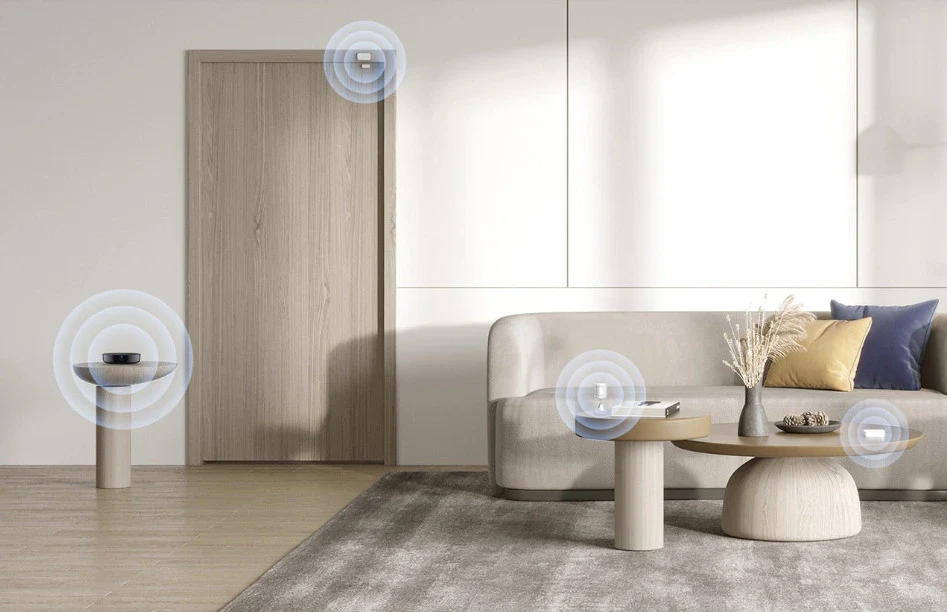
The market offers a wide variety of analytics devices tailored for rental environments. Choosing the right mix depends on the property type, size, and specific management goals. Common options include:
- Noise Monitoring Sensors: Detect excessive sound levels to prevent disturbances and enforce house rules.
- Smart Thermostats: Track and optimize heating and cooling usage, reducing energy waste.
- Water Leak Detectors: Alert managers to leaks before they cause costly damage.
- Entry and Motion Sensors: Monitor access points and detect unusual movement for enhanced security.
- Rodent and Pest Detectors: Provide early warnings of infestations, allowing for prompt intervention.
Integrating these devices with a centralized platform enables seamless monitoring and control, especially for those managing multiple units. For larger portfolios, adopting property manager smart sensors can provide unified oversight and reduce the complexity of managing diverse properties.
Integrating Analytics with Rental Operations
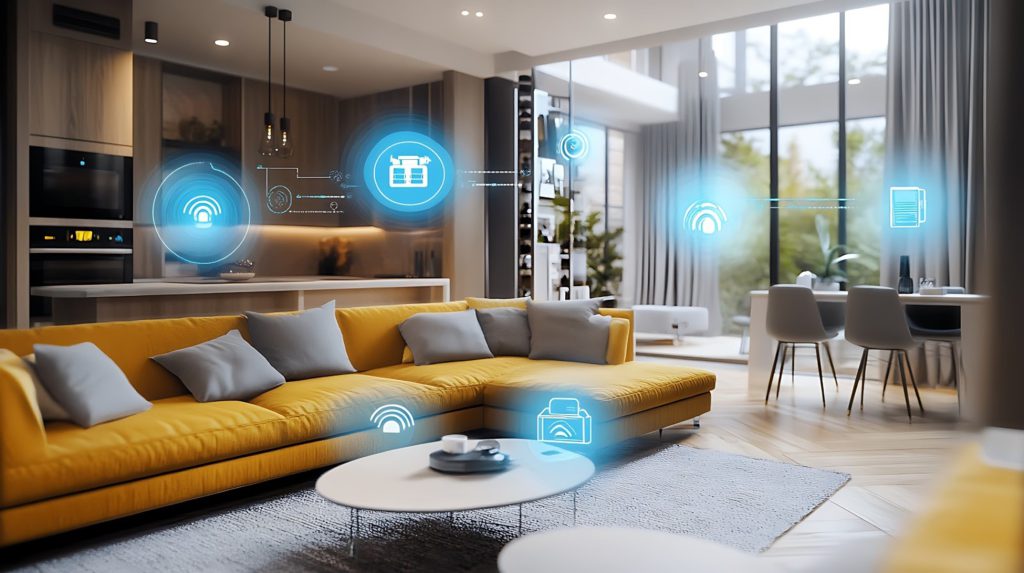
For maximum impact, analytics devices should be integrated with other property management tools. This includes booking platforms, maintenance scheduling, and guest communication systems. Automation can be set up to trigger actions based on sensor data, such as sending alerts for unauthorized access or adjusting climate settings when a unit is vacant.
Some platforms also offer predictive analytics, using historical data to forecast trends such as peak occupancy periods or likely maintenance issues. This allows managers to plan ahead, allocate resources efficiently, and avoid last-minute surprises.
Security remains a top concern for both guests and owners. Combining analytics with rental property access sensors helps ensure that only authorized individuals can enter the premises, reducing liability and increasing peace of mind.
Choosing the Right Devices for Your Needs
When selecting analytics tools for your rental, consider the following factors:
- Property Size and Layout: Larger or multi-unit properties may require more robust, scalable solutions.
- Data Privacy: Ensure that devices comply with local privacy laws and that guest data is handled securely.
- Ease of Installation: Wireless, battery-powered sensors are often easier to deploy and maintain.
- Integration Capabilities: Look for devices that can connect with your existing property management systems.
- Support and Updates: Choose vendors that offer reliable customer support and regular software updates.
Reading product reviews and consulting with other property managers can also help identify the most effective solutions for your specific requirements.
Best Practices for Implementing Analytics Solutions
To get the most value from your investment in smart analytics, follow these best practices:
- Start Small: Pilot a few devices in select units before scaling up across your portfolio.
- Train Your Team: Ensure that staff understand how to interpret data and respond to alerts.
- Communicate with Guests: Be transparent about the presence and purpose of monitoring devices to build trust.
- Regularly Review Data: Set aside time to analyze reports and adjust your operations as needed.
- Stay Updated: Keep software and firmware current to benefit from the latest features and security patches.
Integrating analytics into your daily operations can lead to continuous improvement and a more resilient rental business.
FAQ
What types of data can smart analytics devices collect in rentals?
These devices can monitor occupancy, temperature, humidity, air quality, noise levels, energy usage, water leaks, and security events. The specific data collected depends on the sensors installed and the needs of the property manager.
Are these devices difficult to install and maintain?
Most modern analytics devices are designed for easy installation, often requiring minimal wiring or setup. Many are wireless and battery-powered, making them suitable for both new and existing properties. Regular maintenance typically involves checking batteries and ensuring software updates are applied.
How do analytics devices improve guest satisfaction?
By providing real-time insights, managers can respond quickly to issues like temperature discomfort, noise complaints, or maintenance needs. This proactive approach leads to faster resolutions and a better overall guest experience.
Can these devices help with regulatory compliance?
Yes, automated monitoring and record-keeping can help ensure that properties meet safety, occupancy, and environmental regulations. Alerts and reports generated by these systems make it easier to document compliance and address issues promptly.
Where can I learn more about integrating smart technology in rentals?
For further reading, explore resources such as smart alert system for hosts and airbnb smart access control to discover additional ways to enhance your rental operations with technology.