

Maintaining a quiet and harmonious environment is a top priority for property owners and managers. Excessive noise can lead to tenant complaints, strained neighbor relations, and even legal issues. As short-term rentals and multi-unit properties become more common, the need for effective rental property noise control systems has never been greater. These solutions help landlords monitor and manage sound levels, ensuring that everyone enjoys a peaceful living experience.
Modern noise monitoring technology offers real-time alerts, data-driven insights, and seamless integration with other smart property tools. By adopting these systems, property managers can proactively address disturbances and protect their investments. For those managing multiple units or scaling their operations, exploring scalable rental sensor systems can provide additional efficiency and control.

Why Noise Monitoring Matters in Rental Properties
Unwanted sound is more than just an annoyance—it can damage reputations, reduce property value, and even result in fines. For landlords and hosts, having a reliable way to detect and address noise issues is essential. A noise control system for rental properties offers several key benefits:
- Protects community relations: Quickly addressing disturbances helps maintain positive relationships with neighbors.
- Reduces tenant turnover: Tenants are more likely to stay when they feel their comfort is a priority.
- Prevents legal complications: Many cities have ordinances regarding acceptable noise levels, especially for short-term rentals.
- Supports responsible hosting: Hosts can demonstrate their commitment to being good neighbors.
Integrating a rental property noise control system with other smart solutions, such as smart alert system for hosts, can further enhance property oversight and responsiveness.
Key Features of Effective Noise Control Solutions
When evaluating options for sound monitoring, property managers should look for systems that offer:
- Real-time alerts: Immediate notifications when noise exceeds preset thresholds.
- Data logging: Historical records of sound levels for dispute resolution and compliance.
- Remote access: Ability to monitor and manage devices from anywhere via mobile or web apps.
- Privacy protection: Monitoring decibel levels without recording conversations to respect tenant privacy.
- Integration capability: Compatibility with other smart home or security devices for a unified management experience.
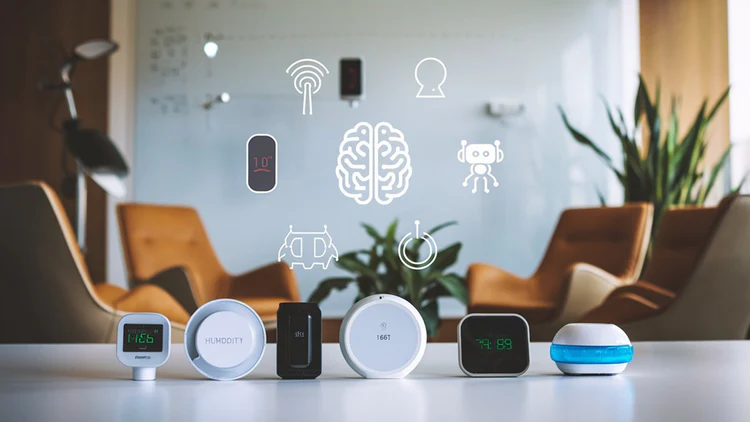
Choosing the right sensors and devices is crucial. For a comprehensive overview of sensor types and their applications, consult this guide to selecting property sensors.
How to Implement a Rental Property Noise Control System
Setting up a noise monitoring solution involves several practical steps:
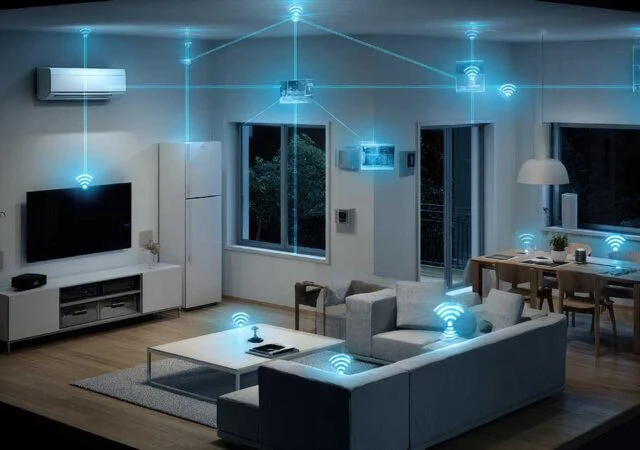
- Assess property layout: Identify high-risk areas such as living rooms, patios, or shared walls where noise is most likely to be an issue.
- Select appropriate devices: Choose sensors that match the property size and occupancy patterns. For managers with larger portfolios, property manager smart sensors can offer centralized control.
- Install and configure: Place devices in strategic locations, set decibel thresholds, and connect them to your preferred management platform.
- Educate tenants: Clearly communicate the presence and purpose of noise monitoring to ensure transparency and cooperation.
- Monitor and respond: Use real-time alerts to address issues promptly, and review data logs to identify patterns or recurring problems.
Proper installation and tenant communication are essential for both compliance and effectiveness. Many property owners also integrate access control and entry sensors, such as rental property access sensors, to further enhance security and oversight.
Integrating Noise Control with Other Smart Property Tools
For maximum efficiency, sound monitoring should be part of a broader smart property ecosystem. Combining noise sensors with devices like motion detectors, smart locks, and environmental monitors allows for:
- Automated responses: For example, sending a message to tenants if noise exceeds limits during quiet hours.
- Comprehensive reporting: Aggregating data from multiple sensors to identify trends and areas for improvement.
- Remote management: Adjusting settings and reviewing alerts from anywhere, reducing the need for on-site intervention.
Many property managers are turning to Airbnb smart access control solutions to complement their noise monitoring efforts, providing a seamless experience for both hosts and guests.
Best Practices for Maintaining a Quiet Rental Environment
While technology is a powerful tool, it works best when combined with proactive management strategies. Consider these best practices:
- Set clear expectations: Include noise policies in lease agreements and house rules.
- Use signage: Remind guests and tenants about quiet hours and respectful behavior.
- Respond promptly: Address complaints or alerts quickly to prevent escalation.
- Regularly review data: Analyze noise trends to identify recurring issues and adjust policies as needed.
- Foster community: Encourage open communication between tenants and neighbors to build mutual respect.
Combining these approaches with a robust rental property noise control system creates a safer, more enjoyable environment for everyone involved.
FAQ
How does a noise monitoring system protect tenant privacy?
Most modern solutions measure decibel levels only and do not record or transmit audio. This ensures that tenant conversations remain private while still allowing property managers to monitor for excessive sound.
Are these systems suitable for both short-term and long-term rentals?
Yes, noise monitoring technology can be adapted for any rental type. Short-term rental hosts often use them to comply with local regulations, while long-term landlords benefit from reduced complaints and improved tenant retention.
What should I do if a noise alert is triggered?
First, review the data to confirm the alert is valid. If necessary, contact the tenant or guest to remind them of noise policies. In most cases, a polite reminder is enough to resolve the issue without further action.
Can noise sensors be integrated with other smart property devices?
Absolutely. Many systems are designed to work alongside smart locks, motion detectors, and environmental sensors, providing a unified platform for property management.