

Short-term rental (STR) property managers and hosts are constantly seeking ways to streamline operations, reduce manual work, and deliver a consistently high-quality guest experience. One of the most impactful improvements is automating cleaning schedules. By leveraging technology and smart processes, you can minimize missed turnovers, improve communication with cleaning teams, and ensure your properties are always guest-ready.
This guide explores practical steps, tools, and strategies to help you set up automated cleaning routines for your rental business. You’ll learn about the benefits, best practices, and the latest technology that can make your workflow more efficient. For those managing multiple units or scaling up, solutions like scalable rental sensor systems can further enhance your operational efficiency by integrating with cleaning and maintenance processes.

Why Automating Cleaning Routines Matters in Short-Term Rentals
Managing cleaning for short-term rentals is more complex than traditional long-term leases. With frequent guest turnovers, last-minute bookings, and high guest expectations, manual scheduling can quickly become overwhelming. Automating these processes offers several key advantages:
- Consistency: Automated reminders and schedules ensure every turnover is handled promptly, reducing the risk of missed cleans.
- Efficiency: Save time by eliminating repetitive manual tasks and reduce errors that can lead to negative guest reviews.
- Scalability: As your portfolio grows, automated systems make it easy to manage multiple properties without increasing your workload proportionally.
- Transparency: Cleaning teams receive clear, timely instructions, and you can track task completion in real time.
With the right setup, automating your cleaning operations can lead to improved guest satisfaction and a more sustainable business model.
Key Steps to Set Up Automated Cleaning Workflows
Implementing an automated cleaning schedule involves a combination of software, communication tools, and smart devices. Here’s how to get started:
1. Choose the Right Property Management System (PMS)
Many modern PMS platforms offer built-in features for automating cleaning schedules. These systems can automatically generate cleaning tasks based on bookings, send notifications to cleaning staff, and even integrate with third-party calendar apps. Look for a PMS that supports:
- Automated task creation upon guest check-out
- Integration with cleaning apps or team management tools
- Customizable notifications and reminders
Some PMS solutions also support integrations with property manager smart sensors, which can help verify when cleaners arrive or leave, adding another layer of automation and accountability.
2. Use Cleaning Management Apps
Dedicated cleaning management apps are designed to streamline communication between hosts and cleaning teams. These apps can:
- Assign tasks automatically based on booking data
- Send real-time notifications to cleaners
- Allow cleaners to mark tasks as complete and upload photos for verification
- Maintain a cleaning history for each property
Popular options include TurnoverBnB, Breezeway, and Properly. These tools can be integrated with your PMS or used independently, depending on your workflow needs.
3. Integrate Smart Home Devices for Enhanced Automation
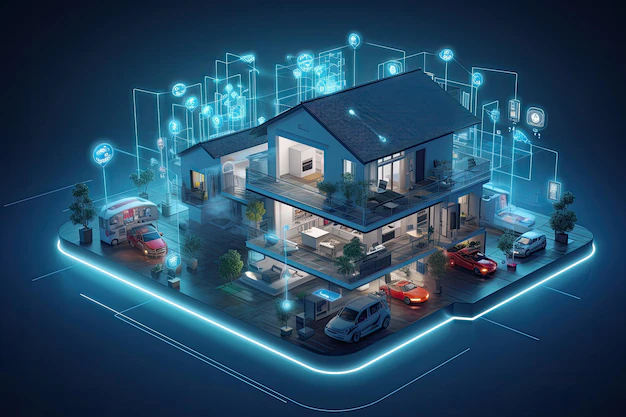
Smart home technology can further optimize your cleaning operations. Devices such as smart locks, thermostats, and sensors can automate access and monitor property status. For example:
- Smart locks allow cleaners to access properties with temporary codes, which can be scheduled and revoked automatically.
- Smart thermostats can adjust temperatures between stays, saving energy and preparing the property for guests or cleaners.
- Occupancy sensors can confirm when guests have checked out, triggering cleaning notifications automatically.
Learn more about the benefits of connected devices in this overview of smart home technology.
Best Practices for Automated Cleaning in Rental Operations
To maximize the benefits of automated cleaning, consider these best practices:
- Clear Communication: Ensure your cleaning team understands how to use the chosen apps and receives all necessary details for each job.
- Regular Audits: Periodically review cleaning logs and feedback to identify any gaps or recurring issues.
- Backup Plans: Have contingency processes in place for last-minute changes or emergencies, such as backup cleaners or manual override options.
- Integrate Alerts: Use a smart alert system for hosts to receive instant notifications about cleaning status, property access, or unusual activity.
Combining automation with human oversight ensures reliability and maintains high standards for your guests.
Integrating Automation with Access and Security
Automated cleaning schedules work best when paired with smart access solutions. By using Airbnb smart access control and rental property access sensors, you can:
- Grant time-limited entry to cleaning staff, reducing the risk of unauthorized access
- Monitor when cleaners arrive and leave, ensuring tasks are completed on schedule
- Receive alerts if doors are left open or if there is unexpected activity during cleaning windows
This level of integration not only streamlines cleaning but also enhances security and accountability across your properties.
Common Challenges and How to Overcome Them
While automating cleaning routines offers many benefits, there are challenges to consider:
- Onboarding Teams: Some cleaners may be unfamiliar with new apps or systems. Provide training and clear instructions to ease the transition.
- Technical Issues: Occasionally, integrations between PMS, cleaning apps, and smart devices may fail. Regularly test your setup and have manual backup processes in place.
- Customization Needs: Every property is unique. Customize checklists and schedules to match the specific requirements of each unit.
Addressing these challenges early ensures a smooth shift to automated operations and minimizes disruptions for both staff and guests.
FAQ
What are the main benefits of automating cleaning schedules for STRs?
Automating cleaning routines reduces manual work, ensures timely turnovers, improves communication with cleaning teams, and supports scaling your rental business. It also helps maintain high guest satisfaction by minimizing missed cleans and errors.
How do I choose the right tools for automating cleaning?
Start by evaluating your current property management system for automation features. If needed, integrate dedicated cleaning management apps that sync with your booking calendar. Consider adding smart home devices for access control and real-time status updates.
Can automation work for small portfolios or single properties?
Yes, even single-property hosts can benefit from automated cleaning reminders and smart access solutions. As your portfolio grows, these systems can scale with you, making it easy to manage more units without extra effort.
Conclusion
Automating cleaning schedules is a practical way to enhance efficiency, reduce stress, and deliver a consistent guest experience in the short-term rental industry. By combining property management software, cleaning apps, and smart home technology, you can streamline operations and focus on growing your business. Start with the basics, integrate new tools as needed, and regularly review your processes to ensure your automation setup continues to meet your evolving needs.