

Managing multi-unit properties comes with unique challenges, from ensuring tenant safety to minimizing maintenance costs and keeping operations efficient. Property manager smart sensors have become essential tools for professionals overseeing apartment complexes, condos, and rental portfolios. These devices provide real-time data, automate routine checks, and help prevent costly incidents before they escalate.
With the rise of connected devices and the Internet of Things (IoT), property managers can now remotely monitor everything from environmental conditions to unauthorized access. This guide explores how smart sensors transform property management, the types available, and how to implement them effectively across multiple units.

For those managing short-term rentals, integrating iot compliance monitoring airbnb solutions can further automate safety checks and compliance, reducing manual oversight and risk.
Why Smart Sensors Are Essential for Modern Property Management
Traditional property management often relies on manual inspections, tenant reporting, and reactive maintenance. These methods can be inefficient, especially in large or geographically dispersed portfolios. Smart sensor technology addresses these pain points by offering:
- 24/7 Monitoring: Sensors provide continuous oversight, detecting issues like leaks, smoke, or unauthorized entry instantly.
- Automated Alerts: Receive instant notifications for abnormal conditions, allowing for quick intervention.
- Data-Driven Decisions: Historical sensor data helps identify trends, optimize maintenance schedules, and reduce costs.
- Enhanced Tenant Safety: Early detection of hazards such as smoke or gas leaks can prevent accidents and property damage.
- Remote Management: Oversee multiple properties from a single dashboard, reducing the need for on-site visits.
Types of Smart Sensors for Multi-Unit Properties
There is a wide range of sensor types available, each designed to address specific property management needs. Here are some of the most impactful options:
Environmental and Safety Sensors
These devices help maintain safe living conditions and protect property assets:
- Smoke and Carbon Monoxide Detectors: Instantly alert managers and tenants to fire or gas hazards.
- Water Leak Sensors: Detect leaks early to prevent water damage and mold growth.
- Temperature and Humidity Sensors: Monitor HVAC performance and prevent issues related to extreme conditions.
Access and Security Devices
Security is a top priority for both property owners and tenants. Smart sensors in this category include:
- Motion Detectors: Identify unauthorized movement in common areas or vacant units.
- Door and Window Sensors: Track entries and exits, and alert managers to potential break-ins.
- Smart Locks: Allow for remote access control and audit trails of entry events. For more on this, see airbnb smart access control.
Specialty Sensors for Property Managers
Some sensors are designed for specific property management challenges:
- Rodent and Pest Detectors: Early detection helps prevent infestations and maintain tenant satisfaction.
- Noise Monitoring: Useful for short-term rentals to enforce quiet hours and prevent disturbances.
- Energy Consumption Sensors: Track and optimize utility usage across units.
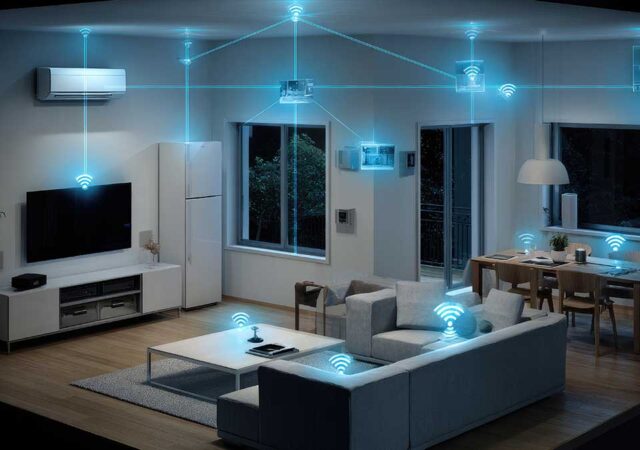
Key Benefits of Deploying Smart Sensors Across Portfolios
Implementing property manager smart sensors throughout a multi-unit portfolio delivers tangible benefits:
- Reduced Operational Costs: Automated monitoring cuts down on manual inspections and emergency repairs.
- Improved Compliance: Stay ahead of local safety regulations with automated documentation and alerts. For more on compliance, visit smart safety compliance rentals.
- Higher Tenant Retention: Responsive maintenance and enhanced safety features increase tenant satisfaction.
- Scalability: Easily add new sensors as your portfolio grows, without significant infrastructure changes.
Choosing the Right Smart Sensors for Your Properties
Selecting the best devices depends on your property type, tenant needs, and management goals. Consider the following factors:
- Integration: Choose sensors compatible with your existing property management systems and platforms.
- Reliability: Opt for devices with proven uptime, long battery life, and robust support.
- Data Security: Ensure that sensor data is encrypted and stored securely to protect tenant privacy.
- Ease of Installation: Wireless and battery-powered sensors are ideal for retrofitting older buildings.
- Regulatory Compliance: Some regions require specific safety devices in rental properties. Always verify local requirements.
For a detailed breakdown of sensor types and how to select them, refer to this comprehensive guide to choosing sensors.
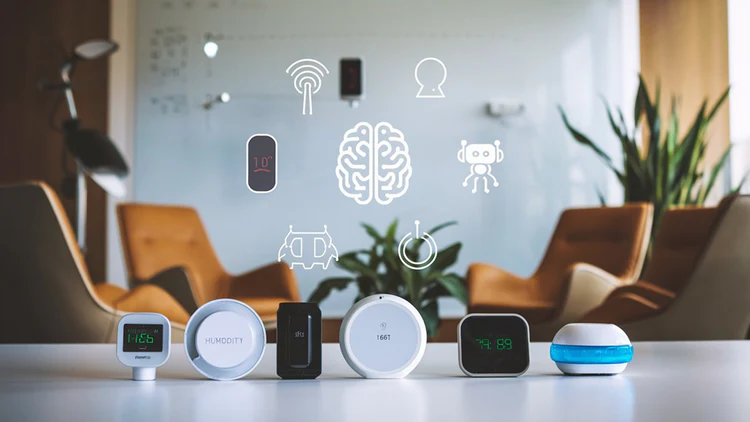
Best Practices for Implementing Smart Sensors in Multi-Unit Buildings
To maximize the value of your investment in smart technology, follow these best practices:
- Start with a Pilot: Test devices in a few units before scaling up to the entire portfolio.
- Standardize Devices: Use the same brands and models across properties to simplify management and maintenance.
- Train Staff and Tenants: Provide clear instructions on how sensors work and what to do when alerts are triggered.
- Regularly Review Data: Analyze sensor reports to identify recurring issues and optimize maintenance schedules.
- Integrate with Other Systems: Connect sensors to your property management software for seamless workflows. For secure entry management, explore rental property access sensors.
Integrating Smart Sensors with Rental Operations
Smart sensors are most effective when integrated into broader property management processes. Here are some ways to leverage sensor data:
- Automated Maintenance Requests: When a sensor detects an issue, automatically generate a work order for your maintenance team.
- Seamless Check-Ins: Use access sensors and smart locks to enable self-check-in for tenants and guests. Learn more about rental check-in sensors system for streamlined arrivals.
- Compliance Documentation: Maintain digital records of safety checks and incidents for regulatory audits.
- Tenant Communication: Notify residents of sensor installations, maintenance, or detected issues to build trust and transparency.
Frequently Asked Questions
What are the most important smart sensors for property managers?
The most critical devices include smoke and carbon monoxide detectors, water leak sensors, motion detectors, and access sensors. These address safety, security, and maintenance needs across multi-unit properties.
How do smart sensors help reduce costs in property management?
By providing early warnings for issues like leaks or unauthorized access, smart sensors help prevent major repairs and losses. Automated monitoring also reduces the need for frequent manual inspections, saving time and labor costs.
Can smart sensors be retrofitted into older buildings?
Yes, many modern sensors are wireless and battery-powered, making them suitable for retrofitting without extensive renovations. Always check compatibility with your building’s infrastructure and management systems.