

IoT compliance monitoring Airbnb solutions are rapidly transforming how short-term rental hosts manage property safety, guest experience, and regulatory requirements. As the vacation rental industry grows, hosts face increasing pressure to ensure their properties meet evolving safety standards and local laws. Automated monitoring with smart sensors and connected devices offers a proactive approach, reducing manual checks and providing real-time alerts for issues ranging from smoke detection to unauthorized entry.
For Airbnb hosts, leveraging Internet of Things (IoT) technology is no longer just a convenience—it’s becoming essential for maintaining trust, meeting insurance requirements, and staying ahead of compliance challenges. This guide explores how automated safety checks work, the types of sensors available, and practical steps for integrating these systems into your rental property. We’ll also highlight how these tools can improve operational efficiency and guest satisfaction.
If you’re interested in optimizing arrivals and departures, consider exploring rental check-in sensors system options for seamless guest experiences.
Why Automated Compliance Matters for Short-Term Rentals
Short-term rental platforms like Airbnb require hosts to adhere to a range of safety and legal standards. These may include smoke and carbon monoxide alarms, occupancy limits, and local regulations regarding noise or unauthorized parties. Manual checks are time-consuming and prone to human error. Automated compliance monitoring with IoT devices streamlines this process, providing continuous oversight and instant notifications if something goes wrong.
For example, smart smoke detectors can alert both hosts and guests to potential fire hazards, while door and window sensors can detect unauthorized access or tampering. Integrating these devices helps hosts demonstrate due diligence, which can be crucial for insurance claims or resolving disputes with guests.
Key Components of IoT Safety Systems for Airbnb Hosts
A robust IoT compliance monitoring Airbnb setup typically includes several types of sensors and connected devices. Each plays a specific role in maintaining safety and meeting platform requirements.
- Smoke and Carbon Monoxide Detectors: Essential for guest safety and often legally mandated. Smart versions send alerts directly to your phone.
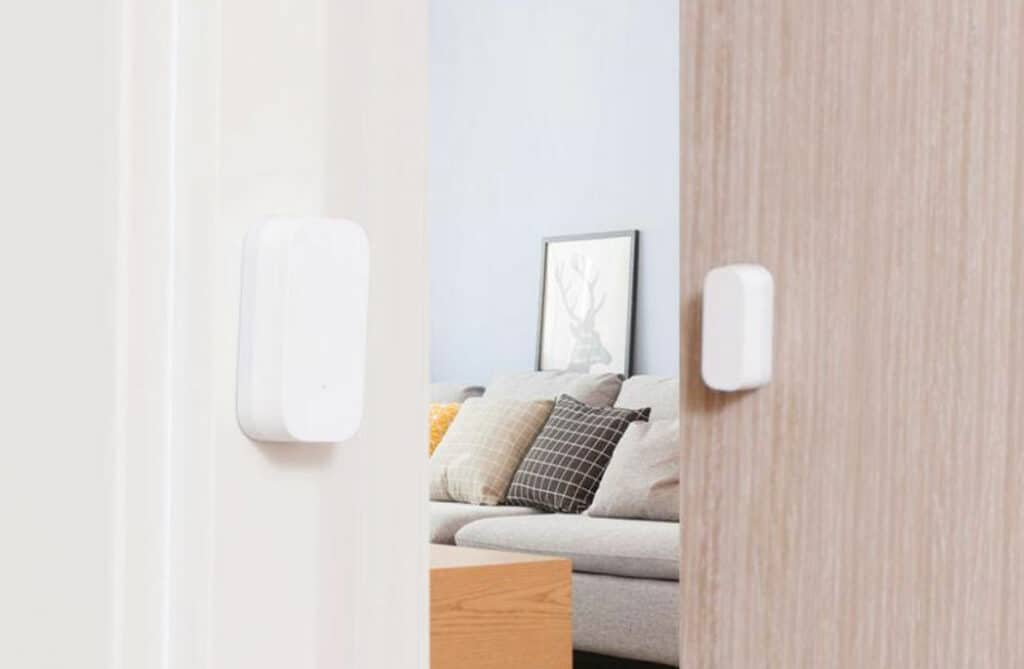
- Door and Window Sensors: Monitor entry points for unauthorized access or forced entry, supporting both security and occupancy rules.
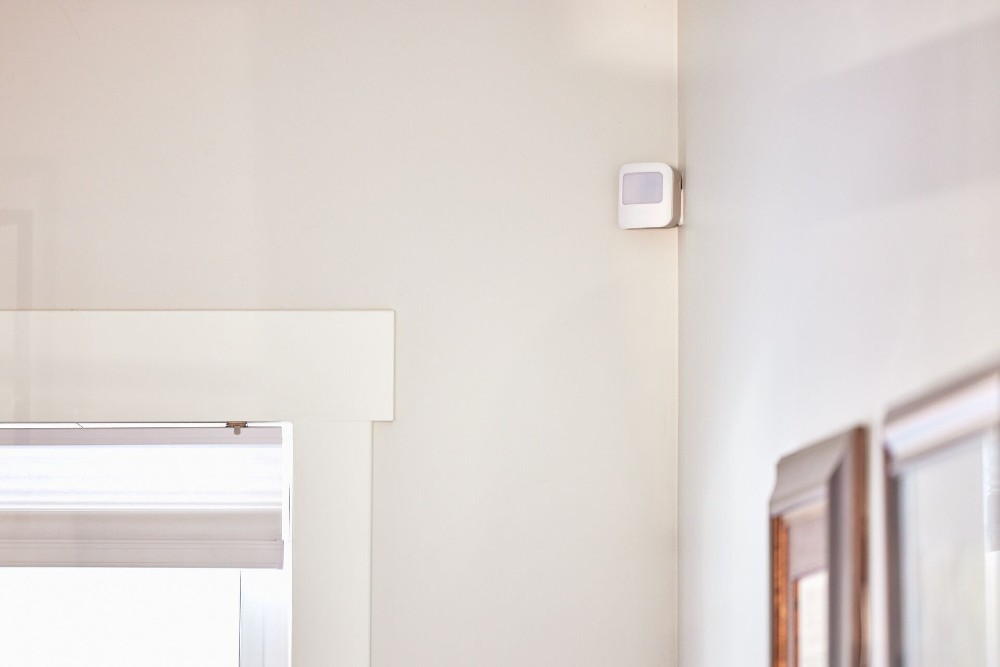
- Motion Sensors: Useful for detecting movement in restricted areas or monitoring property when vacant.
- Water Leak Detectors: Help prevent costly damage by alerting you to leaks or flooding before they escalate.
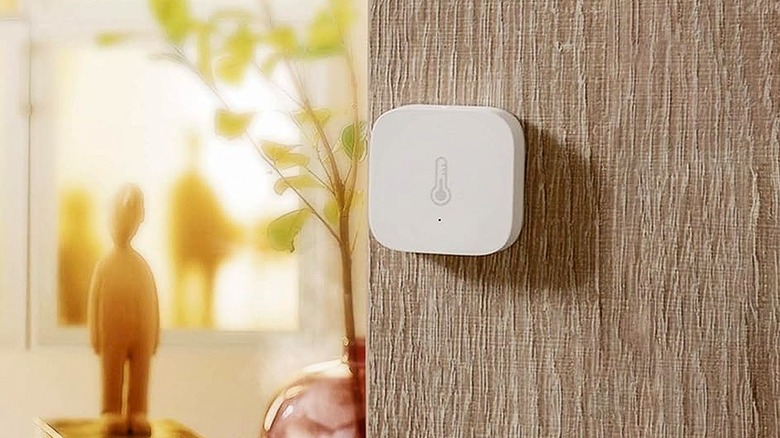
- Environmental Sensors: Monitor temperature, humidity, and air quality, ensuring a comfortable and safe environment for guests.
For a deeper dive into essential devices, review this list of must-have smart sensors for home safety.
How Automated Safety Checks Work in Practice
Automated systems rely on a network of sensors connected to a central hub or cloud platform. When a sensor detects an issue—such as smoke, an open window, or unusual motion—it sends an alert to the host’s smartphone or email. Many platforms allow for remote monitoring, so hosts can respond quickly even when offsite.
Some advanced solutions integrate with property management software, automatically logging incidents and generating compliance reports. This not only streamlines record-keeping but also provides documentation in case of regulatory audits or insurance claims.
Benefits of IoT Compliance Monitoring for Airbnb Hosts
Implementing automated safety checks offers several advantages:
- Peace of Mind: Real-time alerts reduce anxiety about property issues when you’re not on site.
- Faster Response: Immediate notifications allow you to address problems before they escalate, protecting guests and property.
- Regulatory Readiness: Automated logs and reports make it easier to prove compliance with local laws and platform requirements.
- Enhanced Guest Experience: Guests appreciate visible safety measures and responsive hosts, leading to better reviews.
- Operational Efficiency: Reduce manual inspections and streamline turnover processes, especially when paired with turnover monitoring Airbnb sensors.
Choosing the Right Sensors and Platforms
When selecting devices for IoT compliance monitoring Airbnb setups, consider the following factors:
- Compatibility: Ensure sensors work with your preferred smart home hub or property management platform.
- Reliability: Look for devices with strong reviews, long battery life, and robust connectivity.
- Privacy: Choose sensors that respect guest privacy—avoid cameras in sensitive areas and disclose all monitoring in your listing.
- Scalability: Select systems that can grow with your portfolio, especially if you manage multiple properties.
- Support: Opt for brands with responsive customer service and clear documentation.
Some hosts also integrate predictive maintenance rental sensors to catch issues before they become costly repairs, further enhancing property protection.
Integrating IoT Monitoring With Energy and Utility Management
Many hosts are now combining safety monitoring with smart utility monitoring rental property solutions. These systems track water, gas, and electricity usage, helping to identify leaks or excessive consumption that could indicate a problem. Pairing compliance checks with smart energy monitoring rentals also supports sustainability goals and can reduce operational costs.
By centralizing data from safety, utility, and maintenance sensors, hosts gain a comprehensive view of property health and compliance, making it easier to manage multiple listings efficiently.
Best Practices for Implementing Automated Safety Checks
To get the most from your IoT compliance monitoring Airbnb investment:
- Regularly test and maintain all sensors to ensure reliability.
- Clearly communicate to guests which safety devices are in use and where they are located.
- Keep software and firmware updated for all connected devices.
- Document all incidents and responses for insurance and regulatory purposes.
- Stay informed about local laws and Airbnb requirements, updating your setup as needed.
Following these steps helps ensure your property remains safe, compliant, and attractive to guests.
FAQ
What types of sensors are most important for Airbnb compliance?
The most critical devices include smart smoke and carbon monoxide detectors, door and window sensors, and motion detectors. Water leak sensors and environmental monitors are also highly recommended for comprehensive coverage.
How does IoT compliance monitoring protect hosts and guests?
Automated monitoring provides real-time alerts for safety issues, helping hosts respond quickly to emergencies and prevent damage. It also demonstrates due diligence, which can be valuable for insurance claims and guest trust.
Are there privacy concerns with using IoT devices in rentals?
Yes, privacy is crucial. Avoid installing cameras in private areas and always disclose all monitoring devices in your listing. Most compliance sensors, such as smoke detectors and door sensors, do not record personal data and are generally accepted by guests.