


Managing short-term rentals comes with unique challenges, especially when it comes to preventing unauthorized parties and ensuring the property remains peaceful for neighbors. Smart noise sensors for rentals have emerged as a practical solution for property owners and managers who want to maintain control without invading guest privacy. These devices offer real-time monitoring, instant alerts, and valuable data to help you address noise concerns proactively.
With the rise of platforms like Airbnb and Vrbo, the need for reliable monitoring tools has grown. By integrating advanced sensor technology, hosts can deter disruptive events, protect their investment, and foster positive relationships with neighbors. For those interested in a broader overview of monitoring tools, the article on airbnb smart monitoring devices provides additional insights into keeping your rental safe and compliant.
Why Property Owners Need Noise Monitoring Solutions
Unwanted gatherings can lead to property damage, neighbor complaints, and even removal from rental platforms. Traditional methods like relying on neighbor reports or periodic check-ins are often reactive and unreliable. Smart noise sensors provide a proactive approach by continuously monitoring sound levels and notifying you before a situation escalates.
Unlike cameras, these devices focus solely on decibel levels, ensuring guest privacy is maintained. This makes them an ideal choice for hosts who want to balance security and hospitality. Many modern solutions also log historical data, helping you resolve disputes or provide evidence if needed.
How Smart Noise Sensors Work in Short-Term Rentals
These devices use sensitive microphones to measure ambient noise in real time. When sound exceeds a predefined threshold for a set period, the sensor sends an alert to the host or property manager. This allows for quick intervention, such as contacting guests to remind them of house rules.
Some advanced models offer additional features, such as humidity and temperature monitoring, integration with smart home systems, and cloud-based dashboards. For a deeper dive into comprehensive sensor systems, check out the guide on vacation rental sensor systems for peace of mind.
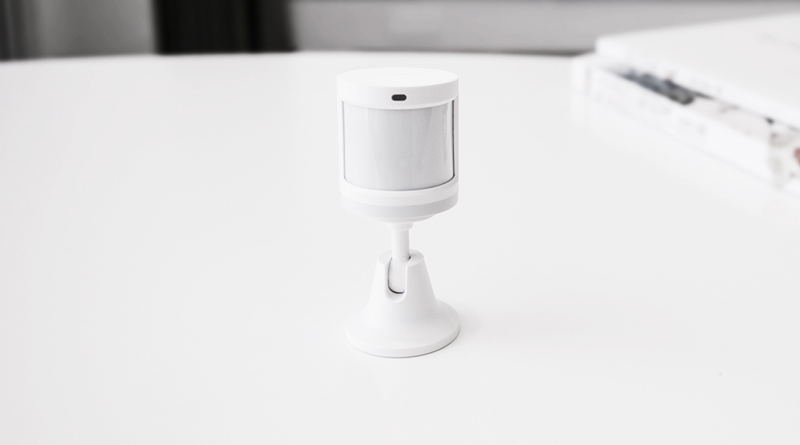
Key Features to Look for in Smart Noise Sensors
When selecting a noise monitoring device for your rental, consider these essential features:
- Real-time alerts: Immediate notifications via app, SMS, or email when noise exceeds set levels.
- Privacy protection: Devices should not record conversations or capture personal data.
- Cloud data storage: Access to historical noise data for dispute resolution and compliance.
- Easy installation: Wireless, battery-powered options simplify setup and maintenance.
- Integration: Compatibility with other smart home devices for centralized control.
Some brands also offer environmental monitoring, such as detecting smoke or changes in air quality. For hosts managing multiple properties, centralized dashboards can streamline oversight and reporting.
Benefits of Using Noise Monitoring in Rentals
Implementing smart noise sensors for rentals offers several advantages:
- Prevent property damage: Early detection of loud gatherings helps you intervene before issues arise.
- Maintain good neighbor relations: Proactive management reduces complaints and preserves your reputation.
- Protect your listing: Many platforms require hosts to address nuisance complaints promptly to avoid penalties.
- Enhance guest experience: Clear communication about monitoring reassures responsible guests and sets expectations.
Noise sensors are particularly valuable in urban areas or multi-unit buildings, where disturbances can quickly escalate into formal complaints or legal issues.
Installation and Best Practices for Hosts
Setting up a noise sensor is typically straightforward. Most devices are plug-and-play, requiring only a Wi-Fi connection and a power source. Place the sensor in common areas where gatherings are most likely, such as living rooms or patios. Avoid bedrooms and bathrooms to respect guest privacy.
Transparency is key. Inform guests about the presence of noise monitoring in your house rules and listing description. This not only complies with platform policies but also deters potential rule-breakers. For more tips on integrating smart technology in rentals, see the overview of smart home sensors for Airbnb.
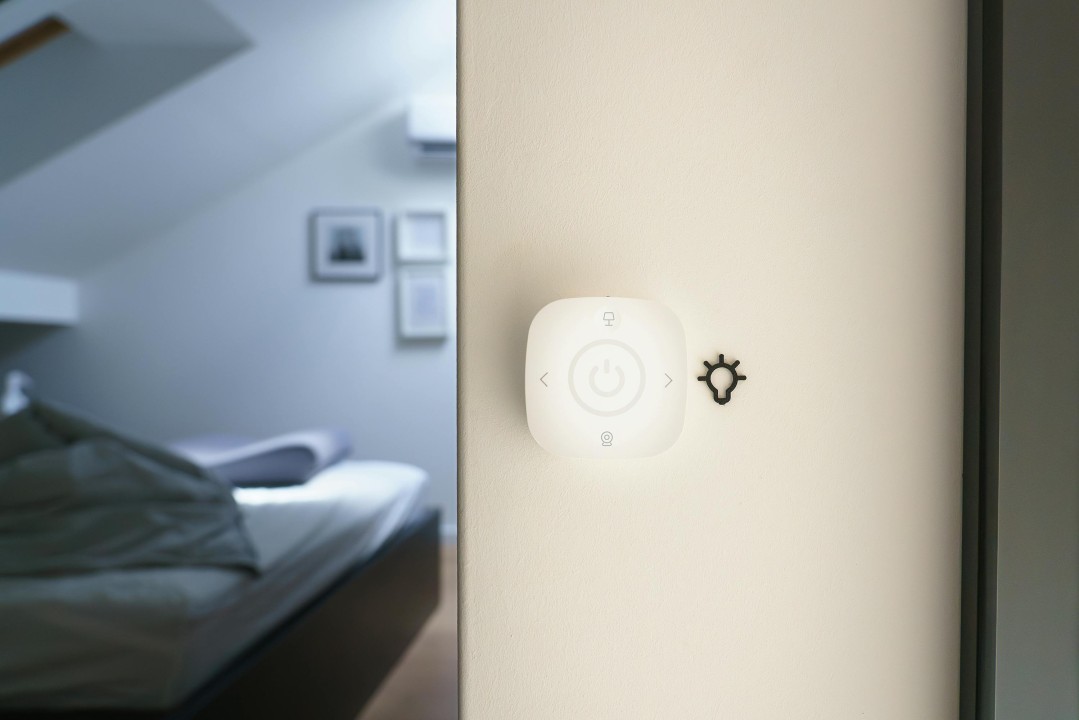
Integrating Noise Sensors with Other Smart Devices
Combining noise monitoring with other smart home technologies can further enhance security and convenience. For example, pairing sensors with smart locks, thermostats, or motion detectors creates a comprehensive system that automates responses and provides a holistic view of property activity.
Many hosts find value in exploring IoT sensors for vacation rentals to enhance the guest experience and streamline property management. Some noise sensors are compatible with platforms like Alexa, Google Home, or Apple HomeKit, allowing for seamless integration and centralized control.
Choosing the Right Device for Your Rental
There are several reputable brands offering noise monitoring solutions tailored for short-term rentals. When comparing options, consider device reliability, customer support, subscription fees, and integration capabilities. Reading reviews and consulting resources like smart rental sensors can help you make an informed decision.
For those interested in expanding their smart home ecosystem, the Aqara smart home sensor collection offers a variety of options for monitoring and automation.
Frequently Asked Questions
Are noise sensors legal in short-term rentals?
Yes, as long as they do not record conversations or capture personal data. Most platforms require hosts to disclose the presence of monitoring devices in their listings. Always check local regulations and platform policies to ensure compliance.
Do these devices invade guest privacy?
No. Smart noise sensors for rentals only measure sound levels (decibels) and do not record audio or video. They are designed to respect privacy while helping hosts maintain a peaceful environment.
How do I respond to a noise alert?
When you receive an alert, contact your guests promptly and remind them of the house rules regarding noise. Most issues can be resolved with a polite message. If the problem persists, follow your platform’s escalation procedures or local laws.
Can I use noise sensors in multi-unit buildings?
Absolutely. These devices are especially useful in apartments or condos where noise can affect multiple neighbors. Just ensure you follow building policies and inform guests about the monitoring.
What other smart devices complement noise sensors?
Consider adding smart locks, smoke detectors, and environmental sensors to create a comprehensive monitoring system. This approach not only improves security but also streamlines property management for hosts.
By implementing modern monitoring solutions, property owners can confidently manage their rentals, deter unwanted parties, and provide a better experience for both guests and neighbors. Investing in the right technology is a proactive step toward protecting your property and reputation in the competitive short-term rental market.