
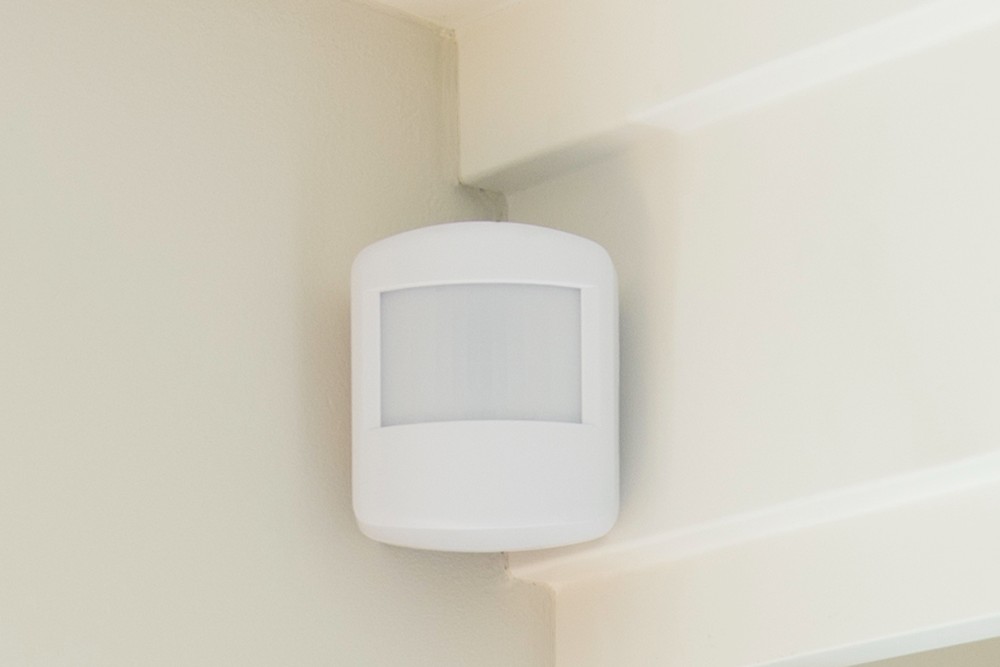

Managing a rental property comes with a unique set of challenges, especially when it comes to maximizing efficiency, ensuring safety, and protecting your investment. Occupancy detection rental property solutions have become essential tools for property owners and managers who want to optimize their spaces, reduce costs, and enhance both guest experience and security. By leveraging advanced sensor technology, you can gain real-time insights into how your property is being used, automate key systems, and proactively address issues before they escalate.
Whether you manage short-term vacation rentals or long-term leases, understanding when and how your property is occupied can help you save on utilities, prevent unauthorized access, and maintain compliance with local regulations. In this guide, we’ll explore the benefits, technologies, and best practices for implementing occupancy detection in rental properties, along with practical tips for choosing the right system for your needs.
For those seeking to integrate smart monitoring into their rental units, resources like airbnb smart monitoring devices provide valuable insights on the latest tools and strategies for property protection and guest privacy.
Why Use Occupancy Detection in Rental Spaces?
Integrating occupancy detection systems into rental properties offers a range of advantages that go beyond simple motion sensing. Here’s why more property managers are turning to these solutions:
- Energy Efficiency: Automatically adjust heating, cooling, and lighting based on real-time presence, reducing utility bills and environmental impact.
- Security: Detect unauthorized entry or unusual activity, helping to prevent break-ins or misuse of the property.
- Maintenance: Identify when spaces are vacant to schedule cleaning, repairs, or inspections without disturbing guests or tenants.
- Compliance: Ensure adherence to local occupancy limits and noise regulations, especially important for short-term rentals.
- Guest Experience: Automate check-ins, lighting, and climate control for a seamless and comfortable stay.
By implementing occupancy detection rental property solutions, owners and managers can create smarter, safer, and more profitable rental environments.
Key Technologies for Occupancy Sensing
Modern occupancy detection systems use a variety of sensors and technologies to monitor presence and activity within a property. Here are some of the most effective options:
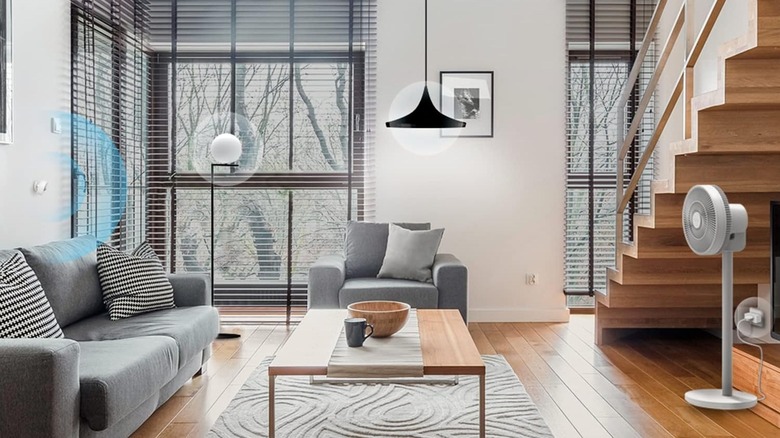
- Motion Sensors: Detect movement in specific areas, triggering alerts or automating lighting and HVAC systems.
- Door and Window Sensors: Monitor entry points for unauthorized access or to confirm when guests arrive and depart.
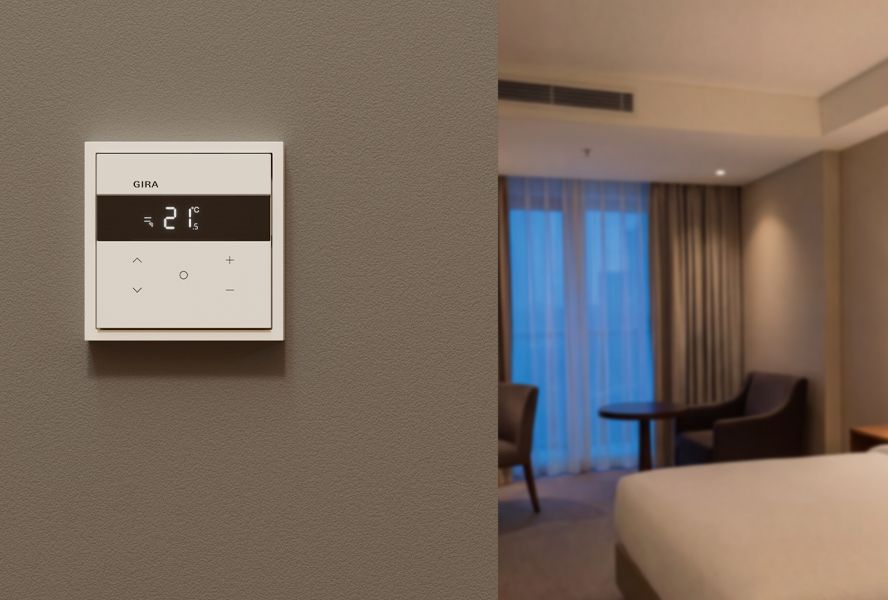
- Environmental Sensors: Track temperature, humidity, and air quality, allowing for automated climate adjustments and early detection of issues like leaks or smoke.
- Sound and Noise Sensors: Identify excessive noise levels, helping to enforce house rules and prevent disturbances.
- Smart Cameras: Offer visual confirmation of occupancy while respecting privacy by focusing on entryways or common areas, not private spaces.
For a deeper dive into available options, the article on vacation rental sensor systems highlights advanced solutions designed specifically for rental environments.
How to Choose the Right Occupancy Detection System
Selecting the best occupancy sensing setup depends on your property type, guest profile, and management goals. Consider these factors:
- Privacy: Choose systems that respect guest privacy, such as sensors that do not record audio or video in private areas.
- Integration: Look for devices that work seamlessly with existing smart home platforms or property management software.
- Scalability: Ensure the system can grow with your portfolio, supporting multiple units or properties.
- Ease of Use: Opt for solutions with user-friendly interfaces and reliable support.
- Compliance: Verify that your chosen devices comply with local laws and rental platform policies.
Reading up on smart rental sensors can help you compare features and find the best fit for your rental business.
Practical Applications for Rental Owners and Managers
Occupancy sensing technology can be applied in a variety of ways to enhance property management:
- Automated Climate Control: Sensors adjust heating or cooling only when guests are present, reducing energy waste.
- Smart Lighting: Lights turn on or off based on occupancy, improving safety and lowering electricity costs.
- Security Alerts: Receive instant notifications if someone enters the property outside of approved times.
- Noise Monitoring: Prevent parties or disturbances by detecting and alerting you to excessive noise.
- Maintenance Scheduling: Identify vacant periods for cleaning or repairs, minimizing disruption to guests.
For those interested in integrating more advanced features, exploring IoT sensors for vacation rentals can reveal additional ways to automate and optimize property operations.
Privacy and Legal Considerations
While occupancy detection brings many benefits, it’s crucial to balance technology use with respect for tenant and guest privacy. Here are some best practices:
- Transparency: Clearly disclose the presence and purpose of sensors in your property listing and rental agreement.
- Placement: Avoid installing cameras or audio sensors in bedrooms, bathrooms, or other private areas.
- Data Security: Choose systems that encrypt data and offer secure access controls.
- Compliance: Stay updated on local laws and platform rules regarding surveillance and guest privacy.
For more information on privacy-friendly solutions, the smart home sensors for Airbnb guide offers tips on balancing safety with guest comfort.
Integrating Occupancy Detection with Other Smart Devices
Combining occupancy sensors with other smart home technologies can further streamline property management. For example, integrating with smart locks allows for automated check-ins and check-outs, while pairing with leak detectors or smoke alarms enhances safety. Many modern systems are compatible with popular platforms, making it easier to build a cohesive and automated rental environment.
To learn more about how different sensors can work together, check out this overview of smart home sensors and their uses in rental and residential settings.
Frequently Asked Questions
What types of occupancy sensors are best for rental properties?
The most effective sensors for rental units are motion detectors, door/window sensors, and environmental monitors. These devices provide a balance between security, automation, and privacy. Choose options that integrate well with your existing systems and comply with local regulations.
How can occupancy detection help reduce utility costs?
By using sensors to automate heating, cooling, and lighting based on real-time presence, property owners can significantly cut down on unnecessary energy use. This not only saves money but also reduces the environmental impact of each rental.
Are there privacy concerns with using occupancy sensors?
Yes, privacy is a key consideration. It’s important to use non-intrusive sensors, avoid placing cameras in private areas, and always inform guests or tenants about any monitoring devices. Following best practices and legal guidelines helps maintain trust and compliance.
Conclusion
Adopting occupancy detection rental property solutions is a smart move for anyone looking to improve efficiency, safety, and guest satisfaction in their rental business. By choosing the right technologies and following best practices for privacy and integration, you can transform your property into a modern, responsive, and secure space. As the rental market continues to evolve, leveraging advanced sensors and automation will be key to staying ahead and maximizing your property’s potential.