
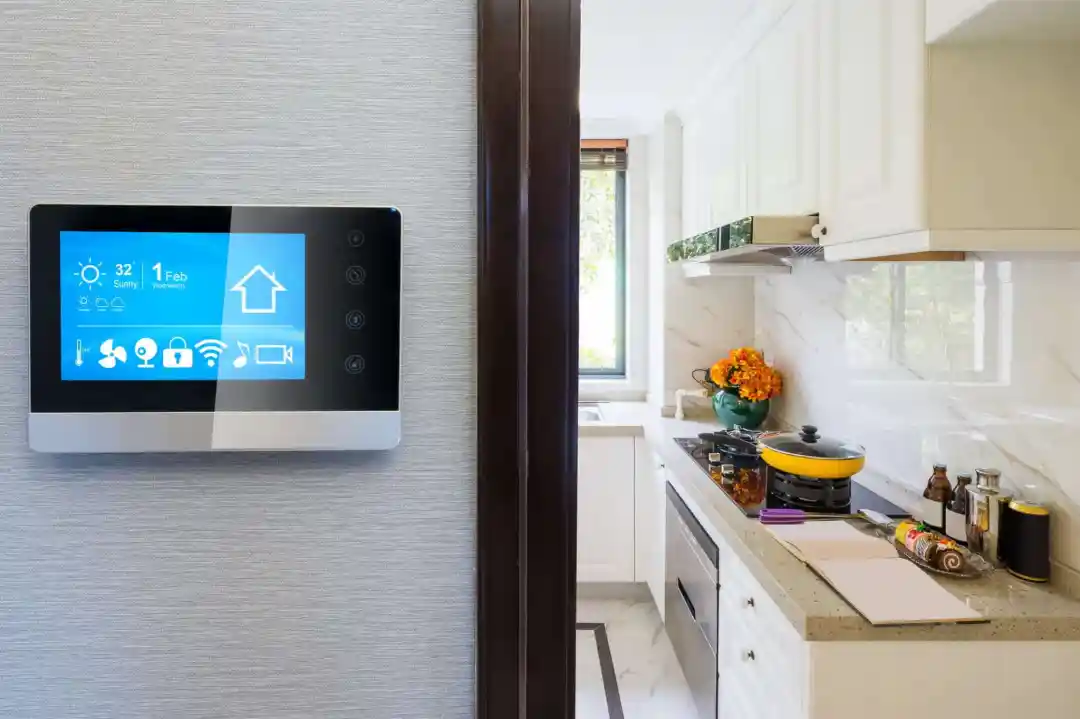

Integrating occupancy sensors into short-term rental properties is becoming a standard for hosts who want to improve efficiency, security, and guest comfort. These smart devices detect when people are present in a space and can automate lighting, climate, and even security systems. Understanding how to use occupancy sensors effectively can help property owners save on energy costs, streamline operations, and provide a seamless experience for guests.
In this guide, you’ll learn practical strategies for deploying occupancy detection technology in vacation rentals, from choosing the right devices to optimizing their settings. We’ll also explore how these sensors can be integrated with other smart home solutions to maximize benefits for both hosts and guests. For those interested in broader smart home strategies, our resource on home automation and energy efficiency offers additional insights.
Understanding Occupancy Sensors and Their Benefits
Occupancy sensors use technologies such as passive infrared (PIR), ultrasonic, or microwave detection to sense movement or presence in a room. When integrated into a short-term rental, these devices can automate a range of functions:
- Lighting control: Automatically turn lights on when guests enter and off when rooms are empty.
- Climate management: Adjust heating or cooling based on room usage, reducing energy waste.
- Security enhancements: Alert hosts or trigger cameras if unexpected movement is detected during vacancy periods.
By leveraging these features, hosts can reduce utility bills, extend the life of appliances, and offer a modern, convenient experience for guests. For more on managing devices remotely, see our article on how to monitor STR remotely.
Choosing the Right Occupancy Sensors for Your Rental
Selecting the most suitable sensors depends on the layout and usage patterns of your property. Here are key considerations:
- Sensor type: PIR sensors are ideal for detecting body heat and movement, while ultrasonic sensors are better for areas with obstructions.
- Integration capability: Ensure compatibility with your existing smart home platform, such as Google Nest or similar systems.
- Coverage area: Choose sensors with a detection range appropriate for the size of each room.
- Power source: Decide between battery-powered or hardwired options based on installation preferences.
It’s also important to consider privacy. Modern occupancy sensors can be configured to detect presence without recording video or audio, which reassures guests and complies with platform policies.
Best Practices for Installing and Configuring Sensors
To maximize the effectiveness of occupancy detection, follow these installation and setup guidelines:
- Strategic placement: Install sensors near entrances, hallways, and high-traffic areas. Avoid locations where pets or HVAC vents could trigger false positives.
- Adjust sensitivity: Fine-tune settings to balance responsiveness and avoid unnecessary activations.
- Integrate with automation: Link sensors to lighting, thermostats, and security devices for seamless operation. For more on scheduling, see our guide on how to schedule thermostat for STR.
- Test regularly: After installation, verify that sensors detect presence accurately and trigger the intended actions.
Proper configuration ensures that guests enjoy a comfortable stay without manual intervention, while hosts benefit from reduced operational oversight.
Integrating Occupancy Sensors with Other Smart Devices
Combining occupancy detection with other smart home technologies can further enhance your rental’s appeal and efficiency. For example:
- Smart thermostats: Automatically adjust temperature when guests arrive or leave, contributing to energy savings.
- Automated lighting: Create welcoming environments by turning on lights as guests enter after dark.
- Security systems: Receive alerts if movement is detected during periods when the property should be vacant.
- Remote appliance control: Use occupancy data to manage appliances efficiently. For more, read about how to control appliances remotely.
Integrating these systems not only streamlines property management but also provides a modern, tech-forward experience that can attract more bookings.

Energy Savings and Guest Experience
One of the main reasons hosts adopt occupancy sensors is to reduce energy consumption without sacrificing guest comfort. When rooms are unoccupied, lights and climate systems can automatically power down, leading to significant savings over time. At the same time, guests benefit from responsive environments that adjust to their presence, eliminating the need to fumble with switches or thermostats.
For those interested in further optimizing energy use, our article on how to schedule lights for STR provides additional tips on automating lighting schedules in rental properties.
Privacy and Compliance Considerations
While occupancy sensors offer many advantages, hosts must be transparent with guests about their use. Always disclose the presence of any monitoring devices in your property listing and in welcome materials. Choose sensors that do not record or transmit audio or video, and configure them to respect guest privacy.
Many platforms require hosts to declare all devices, even those that do not actively record. Following these best practices builds trust with guests and helps avoid potential disputes.
Industry Trends and Future Developments
The adoption of smart technology in rentals is accelerating, with occupancy detection playing a central role. According to industry experts on home automation in rentals, integrating these systems not only improves operational efficiency but also meets growing guest expectations for convenience and sustainability.
As technology evolves, expect to see more advanced sensors capable of distinguishing between people and pets, learning guest preferences, and integrating with a wider range of devices. Staying informed about these trends can help hosts maintain a competitive edge.
Frequently Asked Questions
What types of occupancy sensors are best for short-term rentals?
The most popular options are passive infrared (PIR) sensors for general room detection and ultrasonic sensors for spaces with obstructions. Choose based on your property’s layout and the level of automation you want to achieve.
How do occupancy sensors help reduce energy costs?
By automatically turning off lights and adjusting thermostats when rooms are empty, these sensors minimize unnecessary energy use, which can lead to noticeable savings on utility bills.
Are occupancy sensors allowed in guest spaces?
Yes, but hosts must disclose their presence and ensure they do not record audio or video. Always follow platform guidelines and prioritize guest privacy by using presence-only detection.