

The rise of smart sensors is transforming how hosts manage short-term rental properties. These devices offer a blend of automation, security, and efficiency that benefits both property owners and guests. Understanding how smart sensors work in rentals is essential for anyone looking to optimize operations, reduce risks, and enhance the guest experience.
From monitoring temperature and humidity to detecting motion or unauthorized access, smart sensors provide actionable data in real time. This guide explains the core principles behind these devices, highlights their practical applications, and offers tips for integrating them into your rental property. For hosts interested in broader automation strategies, see our resource on how to automate check-in for short-term rentals.
Understanding the Technology Behind Smart Sensors
At their core, smart sensors are devices that detect specific environmental changes and transmit this information to a central hub or directly to a user’s smartphone. These sensors use a combination of hardware (such as microprocessors and wireless modules) and software (for data processing and communication) to deliver real-time insights.
In rental properties, common types include:
- Motion sensors for detecting movement in specific areas
- Door/window sensors that alert when an entry point is opened or closed
- Temperature and humidity sensors to maintain comfort and prevent damage
- Noise sensors for monitoring sound levels and preventing disturbances
- Water leak detectors to catch plumbing issues early
These devices typically connect to a central hub or directly to the internet via Wi-Fi, Zigbee, or Z-Wave protocols. The data they collect can trigger automated actions—like adjusting the thermostat or sending alerts to property managers.
Key Benefits of Smart Sensors in Rental Properties
Integrating smart sensors into short-term rentals offers several advantages:
- Improved security: Sensors can detect unauthorized entry or tampering, alerting hosts instantly. For more on securing your property, explore our article on home automation for security.
- Energy efficiency: Devices like smart thermostats and occupancy sensors help optimize heating, cooling, and lighting, reducing utility costs.
- Preventive maintenance: Early detection of leaks, humidity spikes, or abnormal temperature changes can prevent costly repairs.
- Guest comfort: Automated adjustments ensure a pleasant stay without manual intervention.
- Operational convenience: Remote monitoring and control streamline property management, especially for hosts managing multiple listings.
How Smart Sensors Work in Rentals: Real-World Applications
To illustrate how smart sensors work in rentals, consider these practical scenarios:
- Automated climate control: Smart thermostats adjust temperature based on occupancy or guest preferences. Learn more about automating thermostat for rentals to maximize comfort and savings.
- Noise monitoring: Sensors detect excessive noise, helping prevent parties or disturbances that could violate rental agreements or local regulations.
- Entry monitoring: Door and window sensors provide alerts if someone enters the property unexpectedly, improving safety for both guests and owners.
- Leak detection: Water sensors placed near appliances or in bathrooms can send instant notifications if a leak is detected, allowing for quick intervention.
Integrating Smart Sensors with Other Rental Technologies
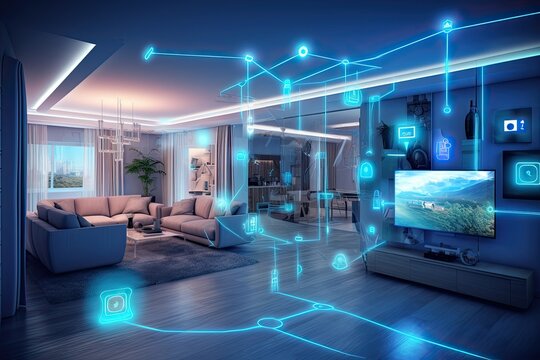
The full potential of smart sensors is realized when they are integrated with other automation solutions. For example, pairing motion sensors with smart lighting systems can ensure lights are only on when needed, saving energy and enhancing security. Our guide on automating lights in STR covers this in more detail.
Many property owners also combine sensors with smart locks, allowing for seamless, keyless entry and real-time monitoring of access. For a deeper dive, see our resource on how smart locks work in STRs.
By connecting these devices through a central hub or property management platform, hosts can automate responses—like sending alerts, adjusting settings, or even contacting maintenance—without manual intervention.
Choosing and Installing the Right Smart Sensors
Selecting the ideal sensors for your rental depends on the property’s layout, guest profile, and management goals. Here are some tips:
- Assess your needs: Identify the most common issues—such as energy waste, unauthorized access, or maintenance risks—that you want to address.
- Choose compatible devices: Ensure sensors work with your existing smart home ecosystem or management platform.
- Prioritize reliability: Opt for devices with strong reviews, proven battery life, and robust wireless connectivity.
- Professional installation vs. DIY: Some sensors are easy to install, while others may require expert setup for optimal performance.
For a step-by-step overview of automating your rental, check out this comprehensive guide to automating rental properties.
Best Practices for Managing Smart Sensors in Short-Term Rentals
Once your devices are in place, follow these best practices to maximize their value:
- Regularly test devices: Ensure all sensors are functioning and communicating with your hub or app.
- Maintain guest privacy: Clearly disclose the presence and purpose of sensors in your listing, and avoid placing cameras or microphones in private areas.
- Update software: Keep firmware and apps up to date to benefit from security patches and new features.
- Monitor alerts: Set up notifications for critical events and respond promptly to issues.
- Integrate with automation: Use sensor data to trigger other smart devices, such as lights or locks, for a seamless experience.
Frequently Asked Questions
What types of smart sensors are most useful in short-term rentals?
The most valuable sensors for rental properties include motion detectors, door/window sensors, smart thermostats, noise monitors, and water leak detectors. These devices help improve security, comfort, and maintenance efficiency.
How do smart sensors help with energy savings?
By detecting occupancy and environmental changes, smart sensors can automatically adjust heating, cooling, and lighting. This reduces unnecessary energy consumption and lowers utility bills, especially when paired with automated thermostats and lighting systems.
Are smart sensors difficult to install and manage?
Many modern sensors are designed for easy DIY installation and can be managed through user-friendly apps. However, for more complex setups or integrations, professional installation may be beneficial to ensure reliability and optimal performance.