
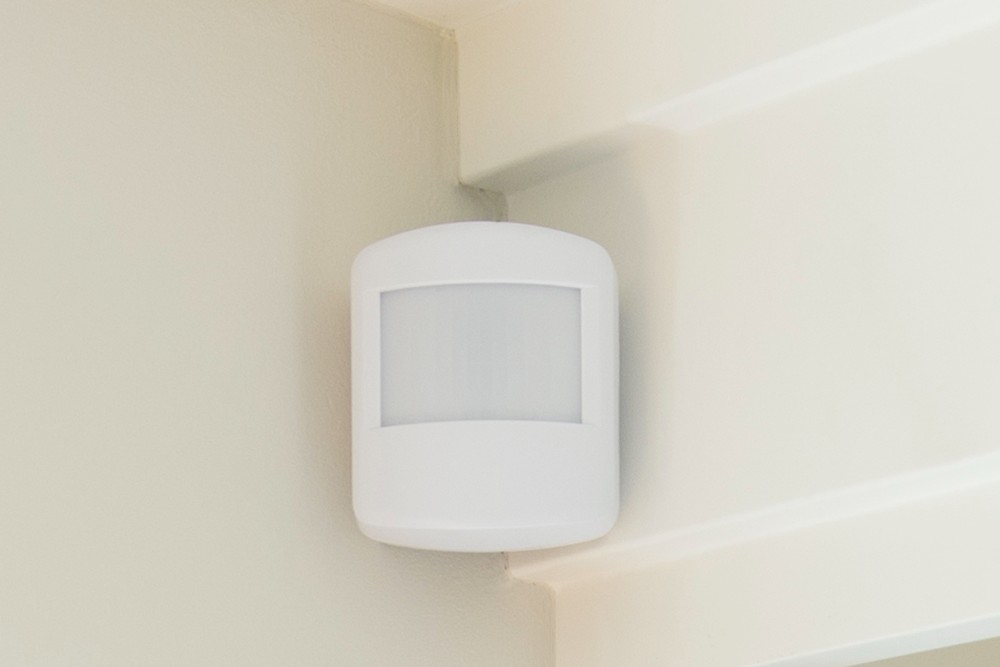

Short-term rental hosts face a unique challenge: how to maintain a welcoming environment for guests while preventing disruptive parties that can damage property and disturb neighbors. Airbnb party prevention sensors have emerged as a practical solution, helping property owners detect and address potential problems before they escalate. These smart devices offer real-time monitoring and alerts, allowing hosts to intervene early and protect their investment.
Understanding how these sensors work, what features to look for, and how to integrate them into your property can make a significant difference in managing risk. For those interested in a broader overview of guest monitoring technology, the airbnb guest monitoring sensors guide provides additional insights into maintaining control over your rental.
Why Smart Sensors Are Essential for Short-Term Rentals
Hosting on platforms like Airbnb comes with the risk of unauthorized gatherings. Even with strict house rules, some guests may attempt to host parties, leading to noise complaints, property damage, or strained relationships with neighbors. Smart sensors for party prevention offer a discreet and effective way to monitor activity without invading guest privacy.
Unlike cameras, which raise privacy concerns, these devices typically track environmental factors such as noise levels, occupancy, and even air quality. When thresholds are exceeded, hosts receive instant notifications, enabling them to take action—whether that means contacting the guest, sending a property manager, or alerting authorities if necessary.
How Airbnb Party Prevention Sensors Work
Modern party prevention technology uses a combination of sensors to detect signs of large gatherings. Here are some of the most common types:
- Noise Monitors: Measure decibel levels and send alerts when sustained loud noise is detected.
- Occupancy Sensors: Use motion, infrared, or Wi-Fi signals to estimate the number of people present.
- Environmental Sensors: Track changes in temperature, humidity, or air quality that may indicate increased activity.
These devices are typically installed in shared spaces like living rooms or hallways. They do not record audio or video, ensuring compliance with privacy guidelines set by platforms such as Airbnb and Vrbo.
Key Features to Look for in Monitoring Devices
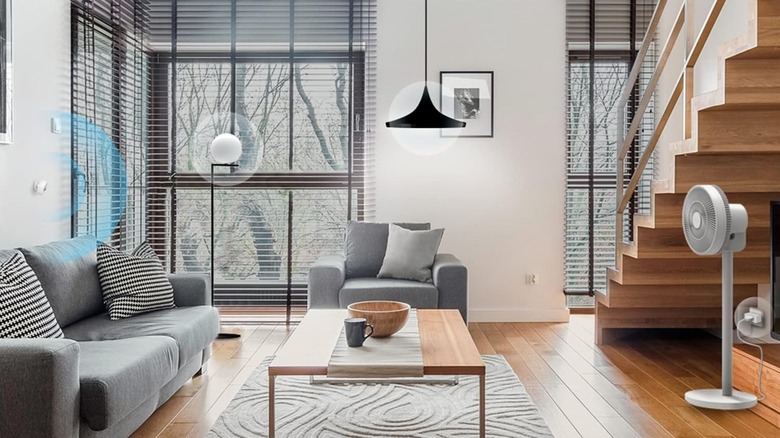
Choosing the right party prevention sensors for your rental property involves considering several important features:
- Real-Time Alerts: Immediate notifications allow you to respond quickly to potential issues.
- Privacy Compliance: Devices should not record audio or video, and should comply with local laws and platform regulations.
- Easy Installation: Look for wireless, battery-powered options that can be set up without professional help.
- Integration: Compatibility with smart home platforms or property management systems can streamline your workflow.
- Customizable Thresholds: Adjust sensitivity to match your property’s unique environment and guest expectations.
For a deeper dive into selecting the best devices for your needs, the rental home smart tech guide offers expert recommendations and comparisons.
Benefits of Using Party Detection Sensors
Implementing these monitoring solutions brings several advantages:
- Protects Your Property: Early detection of gatherings reduces the risk of damage and costly repairs.
- Maintains Good Neighbor Relations: Preventing noise complaints helps preserve your standing in the community.
- Supports Platform Compliance: Many rental platforms now require or recommend noise monitoring for certain types of listings.
- Enhances Guest Accountability: Guests are more likely to respect house rules when they know the property is being monitored responsibly.
Some hosts also use these devices as part of a broader airbnb property monitoring system, integrating them with other smart home technologies for comprehensive oversight.
Integrating Sensors with Other Smart Home Solutions
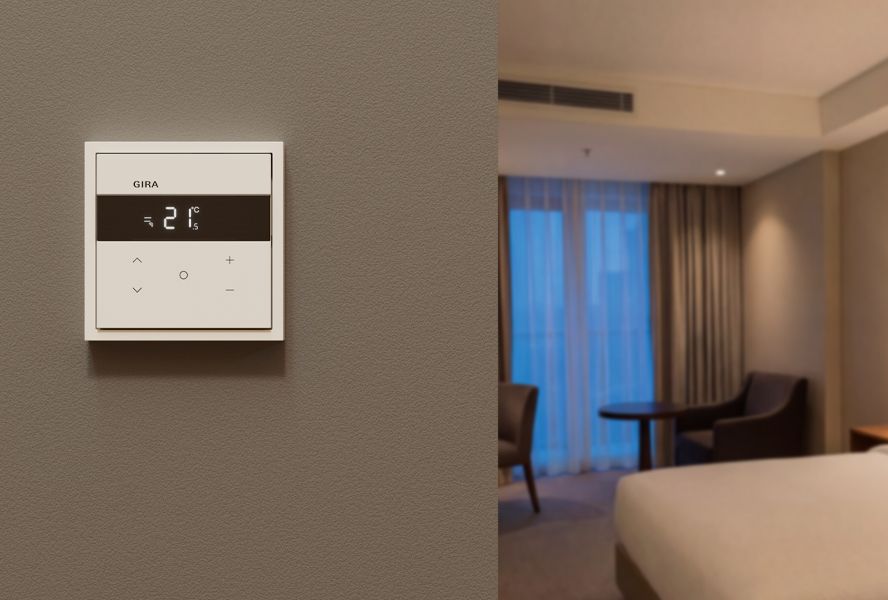
For maximum effectiveness, consider combining party detection devices with other smart home technologies. Motion sensors, smart locks, and environmental monitors can work together to provide a full picture of activity at your property. For example, pairing noise monitors with occupancy sensors can help distinguish between a few guests having a conversation and a large, unauthorized gathering.
Resources like the smart sensors for vacation homes guide explain how to set up remote monitoring, automate alerts, and even control access to your property—all from your smartphone or computer.
Privacy and Legal Considerations
While protecting your property is important, respecting guest privacy is equally critical. Most platforms require hosts to disclose the presence of monitoring devices in their listings. Devices should never be placed in private areas such as bedrooms or bathrooms, and should not record conversations or video footage.
Before installing any monitoring technology, review local regulations and platform policies to ensure compliance. Transparency with guests helps build trust and avoids misunderstandings.
Choosing the Right Sensor for Your Property
The market for airbnb party prevention sensors is growing, with options ranging from simple noise alarms to advanced multi-sensor systems. When evaluating products, consider:
- Reliability: Look for devices with proven track records and positive reviews from other hosts.
- Support: Choose brands that offer responsive customer service and regular software updates.
- Cost: Balance upfront investment with potential savings from avoiding property damage or lost bookings.
For more information on the latest smart home sensor innovations, see this comprehensive overview of smart home sensors and their applications in rental properties.
Best Practices for Implementing Monitoring Solutions
To get the most out of your monitoring setup, follow these best practices:
- Disclose Monitoring Devices: Clearly state in your listing where and how monitoring is used.
- Set Reasonable Thresholds: Avoid false alarms by adjusting noise and occupancy limits to fit your property’s layout and typical guest behavior.
- Test Regularly: Check devices before each booking to ensure they are working properly and batteries are charged.
- Respond Promptly: If you receive an alert, address the situation quickly and professionally with your guests.
Combining these strategies with the right technology helps create a safe, enjoyable experience for both hosts and guests. For those wanting to explore more options, the best iot devices for rental properties article provides further recommendations.
FAQ
Are party prevention sensors allowed in Airbnb rentals?
Yes, as long as they comply with Airbnb’s policies and local regulations. Devices must not record audio or video and should be disclosed in your listing. Always avoid placing them in private areas.
Do these sensors invade guest privacy?
No, most modern devices are designed to monitor environmental factors like noise or occupancy without recording conversations or personal data. Transparency about their presence is key to maintaining trust.
How do I choose the right sensor for my property?
Consider your property’s layout, typical guest profile, and risk level. Look for reliable, easy-to-install devices with customizable settings and good customer support. Reading reviews and comparing features can help you make an informed decision.
Can I integrate party prevention sensors with other smart home devices?
Yes, many sensors are compatible with broader smart home ecosystems, allowing you to automate alerts and responses. This integration can enhance your ability to monitor and manage your property remotely.