
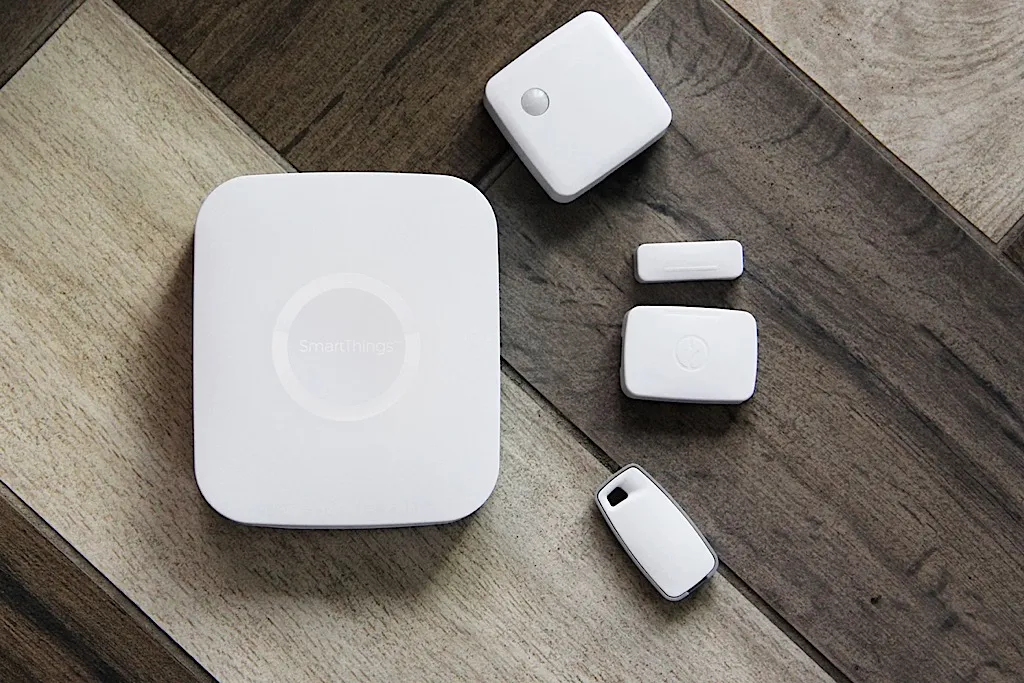

Property owners and managers are increasingly turning to IoT smart rental strategy solutions to stay ahead in a rapidly evolving rental market. By integrating connected devices and automation, you can enhance operational efficiency, improve guest satisfaction, and protect your investment for the long term. This article explores how leveraging smart technology can help you adapt to changing guest expectations, reduce risks, and maximize rental income.
Whether you manage a single vacation home or a portfolio of short-term rentals, adopting a forward-thinking approach with IoT can set your property apart. We’ll cover the key benefits, essential devices, and practical steps to help you implement a robust plan. For those interested in deeper analytics and unified control, resources like smart rental dashboards hosts can further streamline your operations.
Why Embrace Connected Rental Solutions?
Adopting a smart rental strategy is more than a trend—it’s a practical move to address the demands of modern renters. Guests expect convenience, safety, and seamless experiences. At the same time, owners need tools to monitor, maintain, and optimize their properties remotely. IoT devices bridge this gap by offering:
- Remote access and control of locks, thermostats, and lighting
- Automated alerts for maintenance issues like leaks or smoke
- Energy management to reduce utility costs
- Enhanced security and guest verification
- Data-driven insights for better decision making
For those looking to dive deeper into the analytics side, airbnb data monitoring tools can provide valuable metrics to further refine your approach.
Core Components of a Modern IoT Rental Approach
Building a resilient and future-ready rental property involves selecting the right mix of smart devices and platforms. Here are some essential elements to consider:
Smart Sensors and Automation
Smart sensors are the backbone of any connected property. They monitor everything from temperature and humidity to motion and occupancy. These devices can trigger automated actions—like adjusting the thermostat when guests check out or sending alerts if a window is left open. For a detailed look at how sensors enable automation, see this guide on smart sensors and home automation.
Automated Security and Access Control
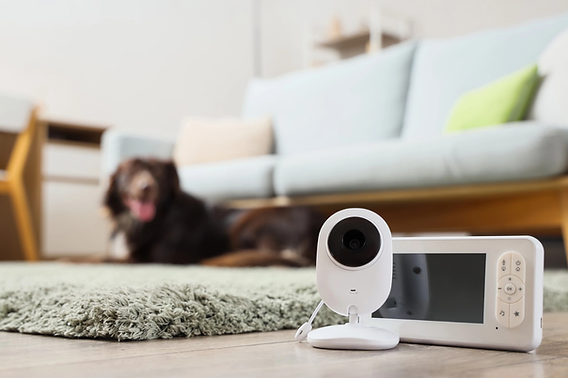
Smart locks and video doorbells allow for secure, contactless check-ins and check-outs. You can grant or revoke access codes remotely, reducing the risk of lost keys and unauthorized entry. Security cameras and sensors also help monitor activity and deter potential issues.
Energy and Utility Management
Connected thermostats, smart plugs, and water leak detectors help you manage energy use and prevent costly damage. These devices can be programmed to adjust settings based on occupancy or guest preferences, saving money and supporting sustainability goals.
Implementing an IoT-Driven Rental Plan
To get started with a connected rental strategy, follow these practical steps:
- Assess your property’s needs. Identify areas where automation or monitoring could add value, such as security, maintenance, or guest comfort.
- Choose compatible devices. Select products that work well together and can be managed from a unified dashboard. Look for open standards and integrations to avoid vendor lock-in.
- Prioritize security and privacy. Ensure all devices use strong encryption and regular firmware updates. Inform guests about any monitoring for transparency and compliance.
- Set up automation routines. Use rules and schedules to streamline operations—like turning off lights after checkout or sending maintenance alerts automatically.
- Monitor and optimize. Review data from your devices to identify trends, spot issues early, and make informed decisions about upgrades or policy changes.
For those managing multiple properties or seeking advanced insights, iot insights for vacation rentals offers a deeper dive into data-driven management strategies.
Benefits of Future-Proofing Your Rental with IoT
Investing in a smart rental strategy delivers both immediate and long-term advantages:
- Increased guest satisfaction through convenience and personalization
- Reduced operational costs via automation and energy savings
- Lower risk of property damage with early detection of issues
- Improved security for both guests and owners
- Competitive advantage in a crowded rental market
Automated monitoring tools can also help you stay compliant with local regulations and insurance requirements. For more on optimizing property performance, see property performance sensors for better rental management.
Best Practices for Sustainable Smart Rental Management
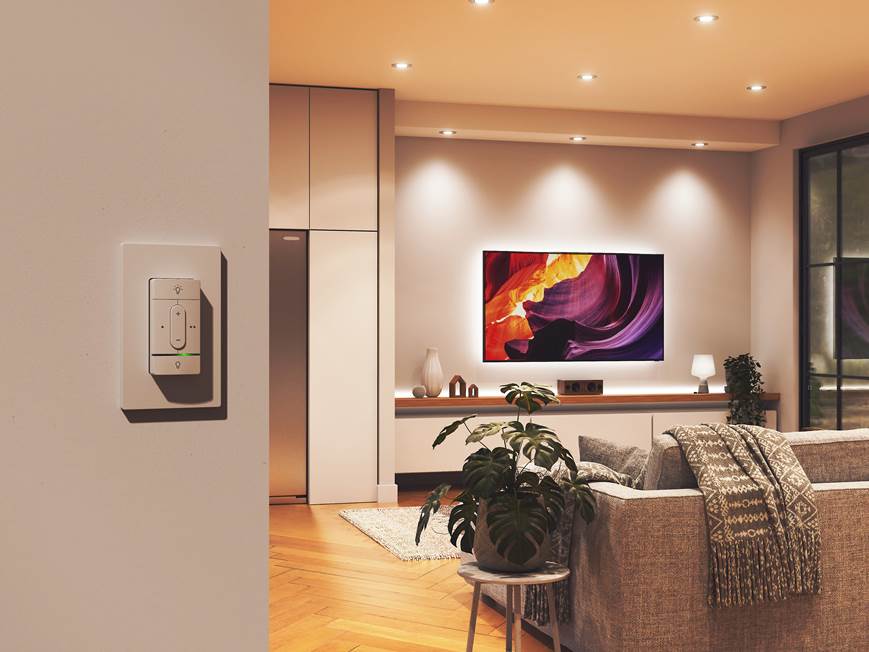
To ensure your investment in connected technology pays off, keep these best practices in mind:
- Regularly update device firmware to patch security vulnerabilities
- Document automation rules and device locations for easy troubleshooting
- Provide clear instructions for guests on using smart features
- Monitor device health and battery status proactively
- Stay informed about new technologies and evolving guest expectations
Unified dashboards can simplify management across multiple properties. Explore smart rental dashboards hosts for tools that bring all your IoT devices and analytics together in one place.
FAQ: IoT and Smart Rental Strategies
What are the most important IoT devices for rental properties?
The most impactful devices include smart locks, thermostats, smoke and leak detectors, security cameras, and occupancy sensors. These tools improve safety, efficiency, and guest experience while providing valuable data for owners.
How can IoT help reduce operating costs?
Automation and remote monitoring allow you to optimize energy use, catch maintenance issues early, and streamline turnover processes. This leads to lower utility bills, fewer emergency repairs, and more efficient property management overall.
Is it difficult to integrate IoT into existing rental properties?
Many modern devices are designed for easy installation and can be retrofitted into most homes. Start with a few key devices, ensure compatibility, and expand your system over time. Platforms that support multiple brands and open standards make integration smoother.
How do I ensure guest privacy with smart devices?
Be transparent about what devices are installed and what data is collected. Avoid using cameras or microphones in private spaces, and always comply with local privacy laws. Provide guests with clear instructions and options to disable certain features if desired.
Conclusion
Embracing a smart rental strategy is essential for property owners who want to stay competitive and resilient in the evolving rental landscape. By investing in the right IoT devices, automation, and data-driven tools, you can enhance guest satisfaction, reduce risks, and future-proof your property for years to come. For more insights on leveraging technology in rental management, explore resources on iot insights for vacation rentals and stay ahead of the curve.