
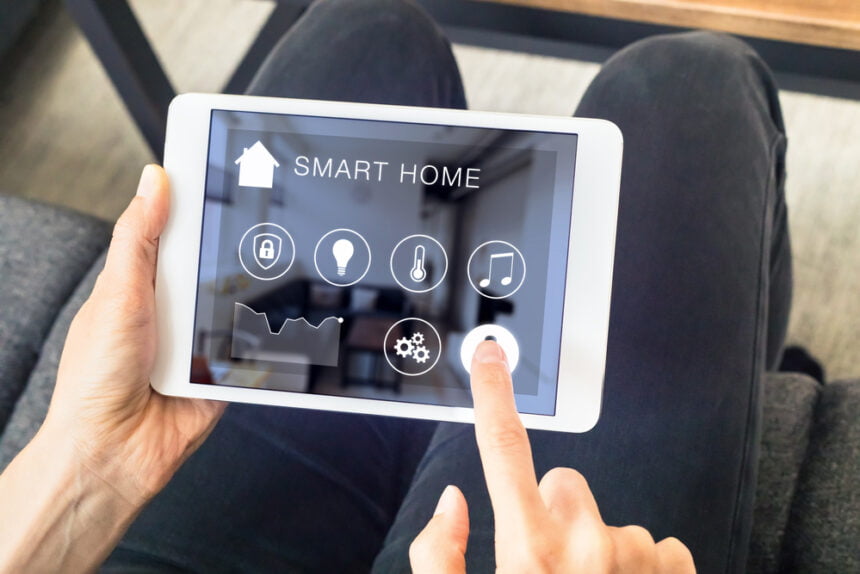

Ensuring the safety and authenticity of guests is a top priority for property owners, managers, and platforms in the short-term rental industry. The rise of digital bookings has brought both convenience and new security challenges. Smart guest verification sensors have emerged as a practical solution, combining advanced technology with automation to streamline identity checks, prevent fraud, and create a safer environment for both hosts and guests.
These intelligent devices go beyond traditional manual verification by integrating with property management systems and leveraging real-time data. They help detect suspicious activity, automate check-ins, and provide peace of mind for everyone involved. As part of a broader smart home rental ecosystem, these sensors are transforming how bookings are secured and managed.
How Modern Sensors Transform Guest Verification
Traditional guest verification methods often rely on manual ID checks, email confirmations, or simple password entry. These approaches can be time-consuming and vulnerable to manipulation. In contrast, smart guest verification sensors automate and strengthen the process by using a combination of hardware and software. These devices may include biometric scanners, motion detectors, and environmental sensors that work together to confirm a guest’s identity and behavior during the booking and check-in phases.
For example, integrating these sensors with a rental automation sensor platform enables hosts to receive instant alerts about unusual activity or unauthorized access attempts. This not only deters potential fraud but also helps property managers respond quickly to any issues, reducing the risk of damage or liability.
Key Features of Smart Verification Devices
Today’s verification sensors offer a range of features designed to enhance security and convenience:
- Biometric Authentication: Devices can scan fingerprints, facial features, or even voice patterns to confirm a guest’s identity, making impersonation much more difficult.
- Real-Time Monitoring: Motion and presence sensors detect when someone enters or leaves the property, ensuring that only authorized guests are present during the stay.
- Integration with Booking Systems: Sensors can sync with property management software, automatically updating guest records and triggering alerts for suspicious activity.
- Automated Check-In/Out: Guests can access the property using secure digital keys or codes that are only activated after successful verification, eliminating the need for physical handovers.
- Data Logging: All access events are recorded, providing a clear audit trail in case of disputes or incidents.
Benefits for Property Owners and Managers
Adopting intelligent guest verification solutions brings tangible advantages for hosts and property managers:
- Reduced Fraud Risk: Automated identity checks and real-time alerts help prevent unauthorized bookings and minimize the chances of rental scams.
- Operational Efficiency: Automating check-in and check-out processes saves time and reduces the need for manual intervention, freeing up resources for other tasks.
- Enhanced Guest Experience: Guests benefit from a seamless, contactless entry process that respects their privacy while ensuring their safety.
- Regulatory Compliance: Many regions require hosts to verify guest identities for legal reasons. Smart sensors help ensure compliance with local laws and platform policies.
- Peace of Mind: Knowing that only verified individuals can access the property provides reassurance for both hosts and guests.
For those seeking to further enhance their property protection, integrating rental fraud detection sensors can offer an additional layer of defense against increasingly sophisticated scams.
Types of Sensors Used in Guest Verification
The technology behind these systems is diverse, with several sensor types playing a role in secure bookings:
- Biometric Sensors: Used for facial recognition, fingerprint scanning, or voice authentication.
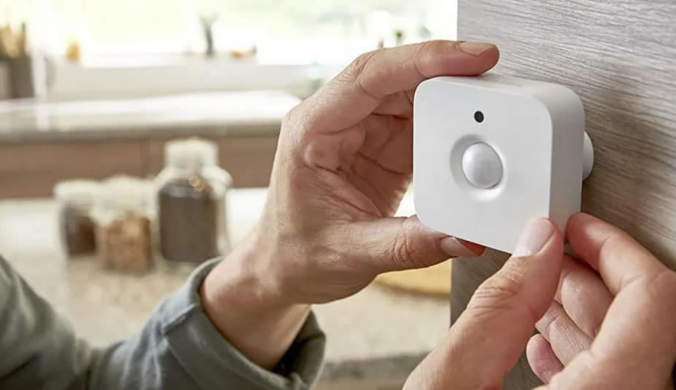
- Motion and Presence Detectors: Identify movement within the property and confirm occupancy status.
- Environmental Sensors: Monitor for smoke, gas, or other hazards, adding safety alongside verification.
- Smart Locks: Allow access only after successful verification, with digital keys that can be revoked or changed remotely.
Integrating with Broader Smart Home Systems
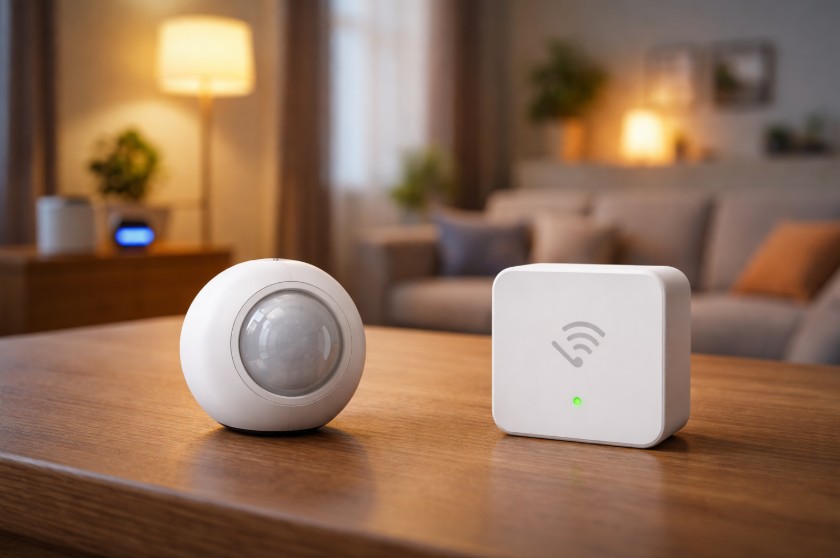
For maximum effectiveness, guest verification technology should be part of a larger smart property strategy. By connecting these sensors to a smart alerts mobile app for rentals or a centralized management platform, property owners can monitor access, receive instant notifications, and control devices remotely. This approach not only improves security but also streamlines daily operations.
Those interested in learning more about the underlying technology can explore a guide to smart sensors and their role in home automation for a deeper dive into how these devices work and their broader applications.
Best Practices for Implementing Verification Sensors
To get the most from these solutions, consider the following recommendations:
- Choose Devices with Proven Security: Opt for sensors from reputable manufacturers with strong encryption and privacy controls.
- Integrate with Existing Systems: Ensure compatibility with your property management software and other smart devices.
- Inform Guests Clearly: Let guests know about verification procedures during the booking process to avoid surprises and build trust.
- Regularly Update Firmware: Keep devices updated to protect against vulnerabilities and benefit from new features.
- Monitor and Review Logs: Periodically check access logs for any unusual activity and address issues promptly.
For property managers overseeing multiple locations, using a smart sensor app for property managers can simplify the process of tracking devices and managing guest access across all properties.
Frequently Asked Questions
What are the main benefits of using smart guest verification sensors?
These devices automate identity checks, reduce the risk of fraud, streamline check-in processes, and provide a secure, contactless experience for guests and hosts alike.
Are these sensors difficult to install and integrate?
Most modern verification sensors are designed for easy installation and can be integrated with popular property management systems and smart home platforms. Many offer wireless connectivity and user-friendly setup guides.
How do these sensors protect guest privacy?
Reputable devices use encrypted data transmission and store only essential information. Guests are typically informed about the verification process, and access logs are kept secure and confidential.
Can these sensors detect unauthorized guests or parties?
Yes, motion and presence sensors can alert property managers to unexpected activity, helping to prevent unauthorized gatherings or access during a booking.
Conclusion
The adoption of smart guest verification sensors is rapidly changing the landscape of rental security and automation. By leveraging advanced technology, property owners and managers can protect their assets, simplify operations, and provide a better experience for guests. As these solutions continue to evolve, they will play an increasingly important role in building trust and safety in the world of short-term rentals.