
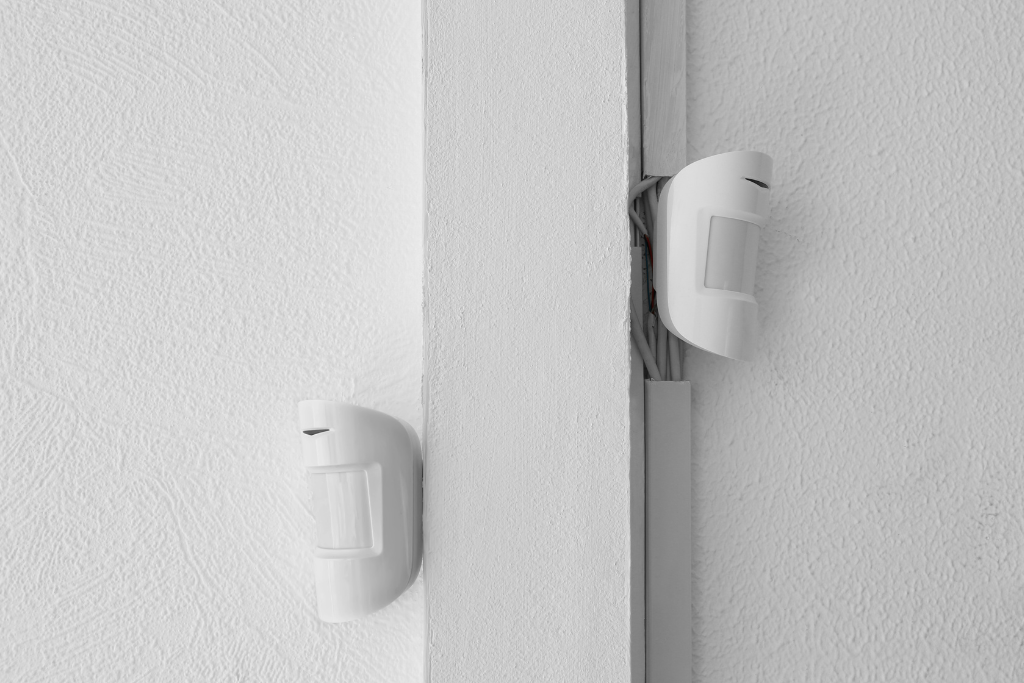

For short-term rental hosts, keeping a property secure while respecting guest privacy is a constant balancing act. Motion detection for Airbnb properties has become a go-to solution for hosts who want to monitor activity, prevent unauthorized parties, and protect their investment. With the right setup, hosts can receive alerts about unusual movement, monitor for potential risks, and ensure their property remains safe—without intruding on guest comfort or violating platform rules.
Modern motion sensors and smart monitoring systems are designed to be discreet, accurate, and easy to manage remotely. They help hosts stay informed about what’s happening at their property, even when they’re miles away. This guide explores how motion detection technology works for short-term rentals, the best practices for setup, and how to choose the right devices for your needs.
For hosts managing multiple listings or scaling up, investing in scalable rental sensor systems can streamline monitoring and provide peace of mind across all properties. These systems are built to handle the unique demands of short-term rentals, offering centralized control and reliable alerts.
Why Motion Sensing Matters for Short-Term Rentals
Short-term rental properties face unique security challenges. Unlike traditional homes, they see frequent guest turnover, making it difficult to monitor who is coming and going. Motion detection for Airbnb hosts provides a non-intrusive way to:
- Detect unauthorized entry or parties
- Receive instant alerts about unexpected movement
- Protect against property damage or theft
- Comply with platform rules by avoiding indoor cameras in private spaces
By focusing on common areas, entrances, and exterior zones, hosts can keep tabs on their property without compromising guest privacy. Many modern sensors also integrate with smart home systems, allowing for automated responses like activating lights or sending notifications.
Types of Motion Sensors for Airbnb Hosts
There are several types of motion sensors suitable for short-term rentals, each with its own strengths. The most common include:
- PIR (Passive Infrared) Sensors: Detect body heat and movement, ideal for entryways and living areas.
- Door/Window Sensors: Alert hosts when doors or windows are opened, useful for monitoring access points.
- Acoustic Sensors: Listen for sounds like glass breaking or loud parties, providing an extra layer of security.
- Smart Environmental Sensors: Some advanced devices can also detect smoke, humidity, or even rodent activity.
Choosing the right combination depends on your property layout and the specific risks you want to address. For a detailed comparison of sensor types and their applications, see this comprehensive guide to choosing sensors.
Setting Up Motion Detection for Airbnb Properties
Proper setup is crucial for effective monitoring. Here are some best practices:
- Focus on Entrances: Place sensors at main doors, garages, and accessible windows to monitor entry and exit.
- Avoid Private Spaces: Never install sensors with cameras or microphones in bedrooms or bathrooms. Stick to common areas and exteriors.
- Test Sensor Range: Ensure each device covers the intended area without false alarms from pets or HVAC systems.
- Integrate with Smart Alerts: Connect sensors to a smart alert system for hosts for instant notifications and automated responses.
- Disclose Devices: Always inform guests about the presence and location of monitoring devices, as required by Airbnb’s policies.
Most modern sensors are wireless and battery-powered, making installation straightforward. Many also offer mobile app integration, so you can receive alerts and check status from anywhere.
Privacy, Compliance, and Guest Communication
Maintaining guest trust is just as important as protecting your property. Airbnb and most short-term rental platforms have strict rules about surveillance and privacy. Here’s how to stay compliant:
- Never place cameras or audio recorders in private spaces. Motion-only sensors without recording capabilities are generally acceptable in common areas and outdoors.
- Disclose all devices in your listing. Be transparent about what’s installed and where, so guests know what to expect.
- Use signage if required. Some local regulations mandate signage for monitoring devices.
- Review platform policies regularly. Airbnb updates its rules periodically, so stay informed to avoid penalties.
Clear communication not only keeps you compliant but also reassures guests that their privacy is respected. This approach can lead to better reviews and fewer disputes.
Integrating Motion Sensors with Other Smart Devices
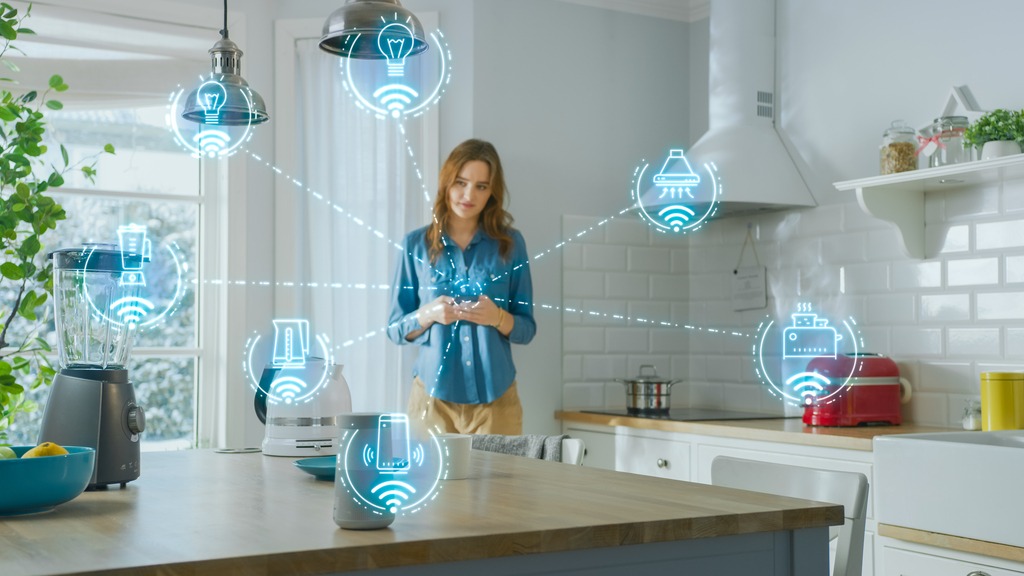
Combining motion sensors with other smart home technology can enhance both security and convenience. For example, pairing sensors with Airbnb smart access control systems allows you to monitor entry and automate lockouts if unauthorized activity is detected. Integration with smart lights or alarms can also deter intruders and alert neighbors if something’s wrong.
Many hosts also use environmental sensors to detect smoke, water leaks, or even rodent activity, providing a comprehensive safety net. These devices can be managed from a single dashboard, making it easy to monitor multiple properties at once.
Choosing the Right Motion Detection Solution
When selecting a monitoring system, consider these factors:
- Coverage Area: Ensure sensors can monitor all vulnerable points without excessive overlap.
- Integration: Look for devices that work with your existing smart home ecosystem or property management software.
- Alert Options: Choose systems that offer customizable notifications via app, SMS, or email.
- Battery Life and Maintenance: Opt for sensors with long battery life and easy maintenance to minimize downtime.
- Scalability: If you manage multiple units, select a solution that can grow with your portfolio, such as property manager smart sensors.
Reading reviews, consulting with other hosts, and testing devices before full deployment can help you avoid common pitfalls and ensure your investment pays off.
Common Challenges and How to Overcome Them
While motion detection offers many benefits, hosts sometimes encounter challenges such as:
- False Alarms: Pets, HVAC vents, or passing cars can trigger unnecessary alerts. Adjust sensor sensitivity and placement to reduce these incidents.
- Connectivity Issues: Ensure your property has reliable Wi-Fi coverage, especially in larger homes or remote areas.
- Guest Concerns: Address privacy questions proactively by explaining the purpose and location of each device.
- Device Tampering: Use tamper-resistant mounts and receive alerts if a sensor is disabled or removed.
Staying proactive and responsive to both technical and guest-related issues will help you get the most out of your monitoring setup.
Frequently Asked Questions
Are motion sensors allowed in Airbnb rentals?
Yes, but with restrictions. You can use motion sensors in common areas and outside the property, as long as they do not record audio or video in private spaces like bedrooms or bathrooms. Always disclose their presence in your listing to comply with Airbnb’s policies.
How can I avoid false alarms with my motion sensors?
Proper placement and sensitivity adjustment are key. Avoid pointing sensors at windows, HVAC vents, or areas where pets roam. Test each sensor after installation and make adjustments as needed. Many modern devices offer customizable settings to minimize false alerts.
What’s the best way to monitor multiple Airbnb properties?
Look for scalable solutions that allow you to manage all your sensors from a single dashboard. Systems designed for property managers, such as scalable rental sensor systems, make it easy to monitor, receive alerts, and maintain devices across several listings.
Do I need to inform guests about motion sensors?
Absolutely. Transparency is required by most platforms and helps build guest trust. Clearly state the type and location of all monitoring devices in your listing description and house rules.
Conclusion
Implementing motion detection for Airbnb properties is a practical way to enhance security, prevent unauthorized activity, and protect your investment. By choosing the right sensors, following best practices for installation, and maintaining open communication with guests, hosts can enjoy peace of mind and deliver a safe, welcoming experience for every stay.