
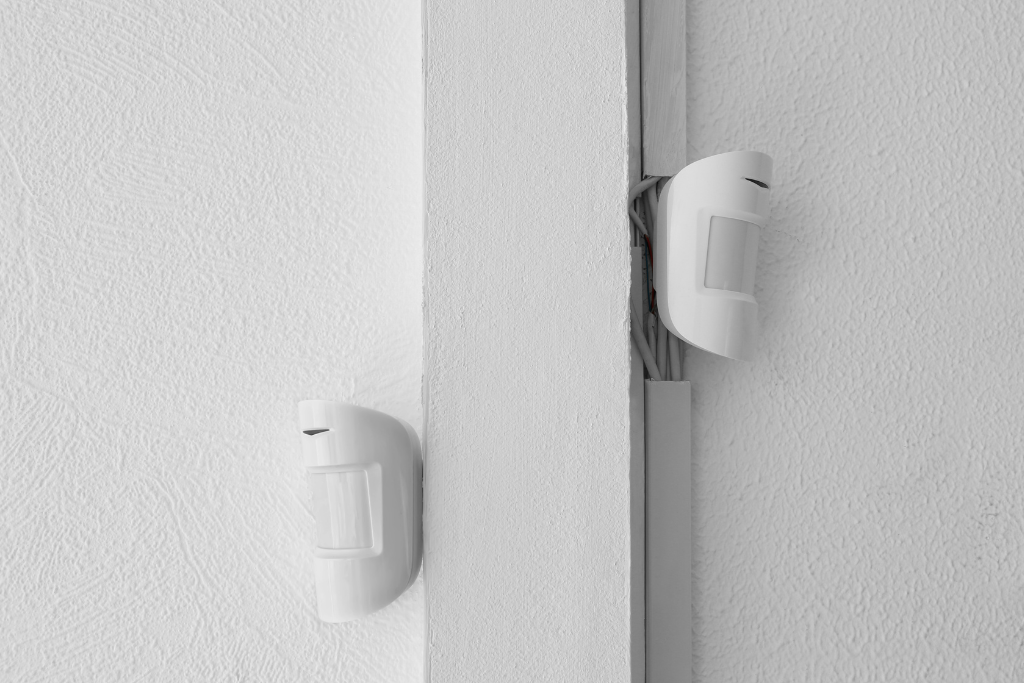

Predictive maintenance rental sensors are transforming how property owners and managers protect their investments. By using smart sensor technology, it’s now possible to detect issues before they escalate into expensive repairs or major disruptions. These devices monitor key systems and environmental factors in real time, providing early warnings for problems like leaks, overheating, or equipment failure. As a result, landlords and short-term rental hosts can save money, reduce downtime, and offer a safer, more reliable experience for tenants and guests.
Adopting these solutions is especially valuable for those managing multiple properties or vacation rentals. With the right sensor network in place, you can automate much of your property monitoring and focus on growing your business. For those interested in maximizing profits, integrating rental cost optimization sensors can further enhance operational efficiency and reduce unnecessary expenses.
How Predictive Maintenance Sensors Work in Rental Properties
At their core, predictive maintenance solutions use a network of smart devices to continuously monitor property conditions. These sensors collect data on temperature, humidity, water flow, vibration, and more. Advanced algorithms then analyze this information to identify patterns that indicate potential problems—such as a slow water leak, abnormal HVAC operation, or electrical anomalies.
When an issue is detected, the system sends real-time alerts to property managers or owners. This enables quick action, often before tenants even notice a problem. By addressing issues early, you can avoid costly repairs, minimize property damage, and maintain a positive reputation with renters.
Key Benefits of Using Smart Sensors for Maintenance
Implementing predictive maintenance technology in rental properties offers several advantages:
- Cost Savings: Early detection of issues means repairs are less extensive and less expensive.
- Reduced Downtime: Quick response to problems keeps properties available and minimizes lost rental income.
- Asset Protection: Sensors help prevent major damage to appliances, plumbing, and infrastructure.
- Improved Tenant Satisfaction: Proactive maintenance creates a safer, more comfortable environment for guests and residents.
- Data-Driven Decisions: Access to real-time and historical data supports smarter property management and budgeting.
For those managing short-term rentals, integrating these devices with a central IoT hub for rental smart devices can streamline monitoring and control, making it easier to scale your operations.
Types of Predictive Maintenance Sensors for Rentals
There are several categories of sensors that can be deployed in rental properties to support predictive maintenance:
- Water Leak Detectors: Placed near plumbing fixtures, these sensors alert you to leaks before they cause water damage or mold growth.
- Temperature and Humidity Sensors: Monitor HVAC performance and help prevent issues like frozen pipes or excessive moisture.
- Vibration Sensors: Used on appliances or mechanical systems to detect unusual operation or impending failure.
- Smoke and Gas Detectors: Provide early warning of fire or hazardous gas leaks, protecting both property and occupants.
- Rodent and Pest Sensors: Identify unwanted activity so you can address infestations promptly.
Choosing the right mix of devices depends on your property type, location, and risk factors. For a detailed breakdown of sensor options and their applications, consider reviewing this comprehensive guide to selecting smart sensors.
Integrating Predictive Maintenance with Other Smart Rental Solutions
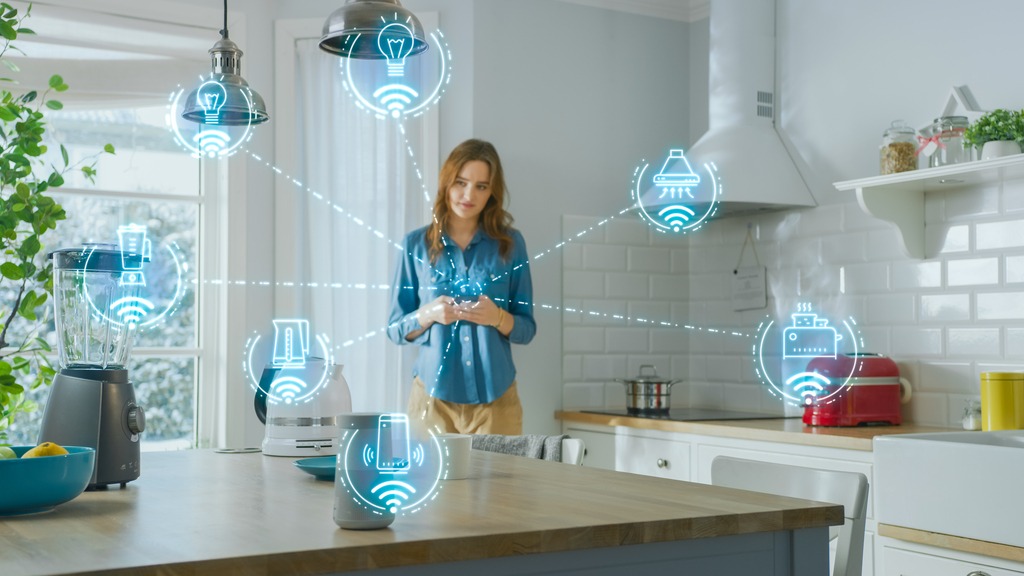
Modern rental management increasingly relies on a network of connected devices. Predictive maintenance sensors can be integrated with other smart systems for even greater efficiency. For example, combining maintenance monitoring with smart energy monitoring rentals allows you to track both equipment health and utility usage, leading to more comprehensive cost control.
Additionally, a smart sensor network for vacation rentals can be scaled across multiple units, providing centralized oversight and streamlined management. This approach is particularly useful for property managers overseeing several locations, as it reduces manual checks and ensures consistent standards across all assets.
Best Practices for Implementing Sensor-Based Maintenance
To get the most out of predictive maintenance technology, consider these practical steps:
- Assess Your Property’s Needs: Identify areas most at risk for costly failures or damage, such as basements, kitchens, or HVAC closets.
- Select Reliable Devices: Choose sensors with proven accuracy, long battery life, and strong connectivity. Look for models that integrate with your existing smart home or property management platform.
- Plan for Scalability: If you manage multiple properties, opt for solutions that can be expanded or centralized for easier monitoring.
- Set Up Real-Time Alerts: Configure notifications to go directly to your phone or email, ensuring you can respond quickly to any warnings.
- Regularly Review Data: Use the collected data to identify trends, schedule preventive maintenance, and make informed decisions about upgrades or replacements.

Challenges and Considerations for Property Owners
While the benefits of predictive maintenance are clear, there are a few challenges to keep in mind. Initial setup costs can vary depending on the number and type of sensors required. It’s important to factor in installation, integration, and ongoing maintenance of the devices themselves. Additionally, ensuring reliable connectivity—especially in older buildings or remote locations—may require additional investment in network infrastructure.
Data privacy and security are also important considerations. Always choose reputable vendors and keep your systems updated to protect against unauthorized access. Finally, remember that while sensors can automate much of your monitoring, periodic manual inspections are still recommended for comprehensive property care.
Frequently Asked Questions
What types of rental properties benefit most from predictive maintenance sensors?
Both short-term vacation rentals and long-term residential properties can gain significant value from these technologies. Properties with high turnover, older infrastructure, or located in areas prone to weather extremes are especially good candidates for sensor-based monitoring.
How do predictive maintenance sensors help reduce repair costs?
By continuously monitoring for early signs of trouble—such as leaks, abnormal temperatures, or equipment vibrations—these devices alert property managers before minor issues become major repairs. This proactive approach minimizes both repair expenses and potential downtime.
Can predictive maintenance sensors be integrated with other smart home systems?
Yes, many modern sensors are designed to work with broader smart home platforms, allowing you to manage security, energy, and maintenance from a single dashboard. Integration with IoT hubs and sensor networks makes it easier to scale and automate property management tasks.
Conclusion
Adopting predictive maintenance technology is a practical step for any property owner or manager looking to prevent expensive repairs and protect their investment. By leveraging smart sensors, you can automate monitoring, respond quickly to issues, and provide a better experience for tenants and guests. As the rental market becomes more competitive, staying ahead with proactive solutions is key to long-term success.