

Managing utility costs in rental properties is a challenge for both landlords and tenants. With the rise of smart technology, energy saving sensors rental homes have become a practical solution to monitor and reduce unnecessary energy consumption. These devices help automate lighting, climate control, and even detect inefficiencies, leading to lower bills and a more sustainable living environment. Whether you own a single apartment or manage multiple short-term rentals, integrating smart sensors can make a noticeable difference in operational expenses and tenant satisfaction.
In this article, we’ll explore the most effective types of sensors for saving energy, how they work, and the benefits they offer for rental properties. We’ll also provide guidance on choosing the right devices, highlight real-world use cases, and share resources for further reading. If you’re interested in broader automation and smart home integration, you may also want to check out wifi sensors for rental homes for easy setup and control options.
How Smart Sensors Help Lower Utility Bills
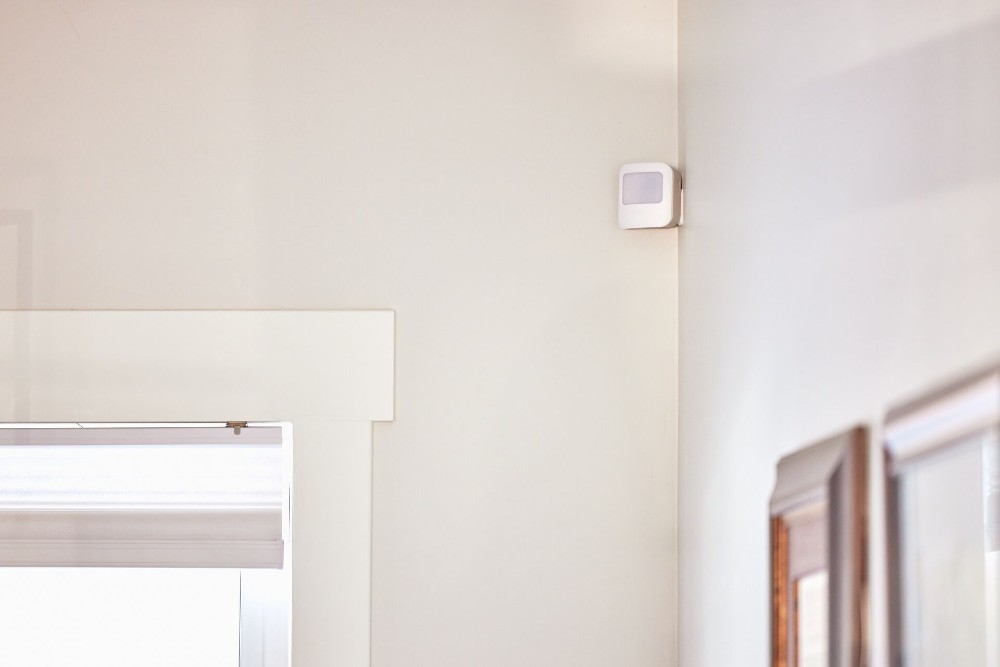
Smart sensors are designed to detect changes in the environment and trigger automated responses. In rental homes, these devices can be used to control lighting, heating, cooling, and even appliances, ensuring that energy is only used when necessary. For example, motion sensors can turn off lights in unoccupied rooms, while temperature sensors can adjust thermostats based on occupancy or time of day. By minimizing waste, these systems help property owners and tenants save money on electricity, gas, and water bills.
Many landlords are turning to energy saving sensors rental homes to address the common issue of tenants leaving lights or HVAC systems running when not needed. The result is a more efficient property that appeals to eco-conscious renters and reduces overall maintenance costs. For those managing multiple units, smart sensors can also provide valuable data to optimize operations, as discussed in resources like property management sensor data.
Types of Energy Saving Sensors for Rentals
There are several categories of sensors that are particularly effective in reducing utility costs in rental properties. Here are some of the most popular options:
- Motion Sensors: Automatically turn lights or appliances on and off based on movement, preventing unnecessary energy use in vacant areas.
- Occupancy Sensors: Similar to motion sensors, but often more advanced, these can detect presence and adjust lighting or climate systems accordingly.
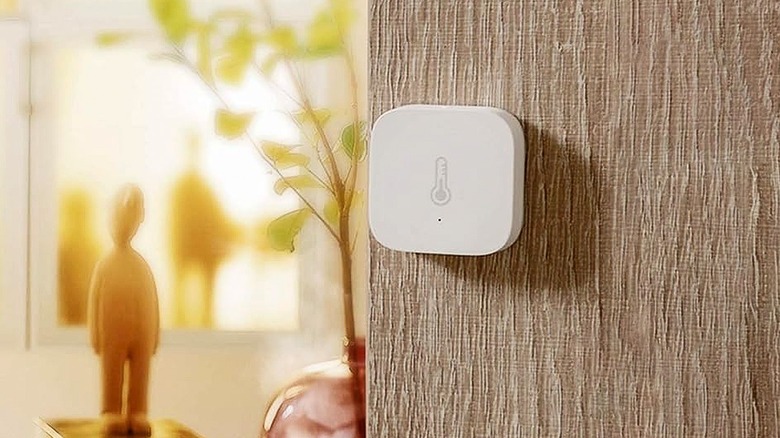
- Temperature and Humidity Sensors: Monitor room conditions and communicate with smart thermostats to maintain comfort while minimizing energy waste.
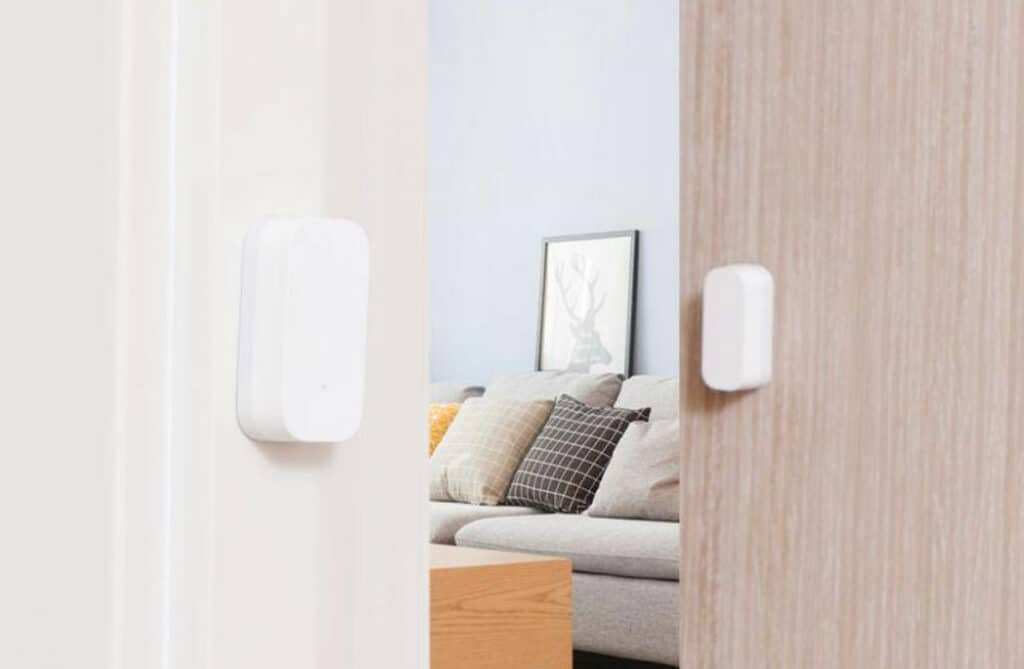
- Door and Window Sensors: Detect when doors or windows are open, allowing HVAC systems to pause or adjust, preventing energy loss.
- Leak and Water Sensors: Alert property managers or tenants to leaks, helping prevent water waste and costly damage.
- Smart Plugs and Power Strips: Allow remote control and scheduling of appliances, reducing standby power consumption.
Benefits for Landlords and Tenants
Adopting smart technology in rental units offers clear advantages for both property owners and residents. Here are some of the key benefits:
- Lower Utility Costs: Automated control of lights, heating, and cooling leads to significant savings on monthly bills.
- Increased Property Value: Modern amenities attract quality tenants and can justify higher rental rates.
- Remote Monitoring: Landlords can oversee energy usage and receive alerts about issues, even when offsite.
- Tenant Satisfaction: Renters appreciate the convenience and comfort provided by smart systems, leading to better reviews and longer stays.
- Reduced Environmental Impact: Efficient energy use supports sustainability goals and can help meet local regulations.
For those looking to automate even further, integrating sensors with smart rental automation tools can streamline property management and enhance the guest experience.
Choosing and Installing the Right Sensors
When selecting devices for your rental property, consider the following factors:
- Compatibility: Ensure the sensors work with your existing smart home platform or can be easily integrated.
- Ease of Installation: Look for wireless, battery-powered options that don’t require permanent modifications—ideal for rentals.
- Remote Access: Choose sensors that offer mobile app control and real-time notifications for both landlords and tenants.
- Reliability: Opt for reputable brands with proven track records and positive user reviews.
- Cost: Balance upfront investment with potential long-term savings on utilities and maintenance.
Many modern sensors are designed for simple DIY installation, making them accessible even for those with limited technical expertise. For a deeper dive into setup and integration, see smart home integration rentals.
Integrating Sensors with Rental Property Automation
To maximize the benefits of energy saving sensors rental homes, consider integrating them with broader automation platforms. This allows for centralized control of lighting, climate, and security systems, creating a seamless experience for tenants and simplifying management for landlords. Many platforms support scheduling, remote access, and data analytics, helping you identify trends and further optimize energy use.
For example, pairing occupancy sensors with smart thermostats ensures that heating and cooling are only active when needed. Door and window sensors can be linked to HVAC systems to pause operation if a window is left open. These integrations not only save money but also reduce wear and tear on equipment, extending its lifespan.
To learn more about leveraging data from smart devices, explore iot data for rental properties and discover how actionable insights can drive better decision-making for your rental business.
Best Practices for Maximizing Savings
To get the most out of your investment in smart technology, follow these best practices:
- Educate Tenants: Provide clear instructions on how to use the sensors and highlight the benefits of energy efficiency.
- Regular Maintenance: Check batteries, update firmware, and test devices periodically to ensure reliable operation.
- Monitor Usage: Use app dashboards or reports to track energy consumption and identify areas for improvement.
- Set Automation Rules: Customize schedules and triggers based on occupancy patterns and local climate conditions.
- Stay Informed: Keep up with the latest advancements in smart home technology to continually improve your property’s efficiency.
For a comprehensive overview of essential devices, see this guide to must-have smart home sensors for further inspiration and product recommendations.
Frequently Asked Questions
What Are the Most Effective Sensors for Reducing Energy Use in Rentals?
Motion and occupancy sensors for lighting, smart thermostats with temperature sensors, and door/window sensors are among the most effective for minimizing wasted energy. Leak detectors and smart plugs can also contribute to overall savings.
Can These Sensors Be Installed Without Permanent Changes?
Yes, many modern devices are wireless and battery-powered, requiring no drilling or wiring. This makes them ideal for rental properties where permanent modifications are not allowed.
How Much Can Landlords Save by Using Smart Sensors?
Savings vary depending on property size, usage habits, and local utility rates, but many landlords report reductions of 10–20% on energy bills after installing smart sensors and automation systems.
Are Energy Saving Sensors Difficult for Tenants to Use?
Most devices are designed for ease of use, with intuitive controls and mobile apps. Providing a quick guide or walkthrough can help tenants get comfortable with the technology.
Do Smart Sensors Work with All Types of Rental Properties?
Yes, there are solutions suitable for apartments, single-family homes, and even vacation rentals. The key is to choose devices that match your property’s specific needs and infrastructure.