
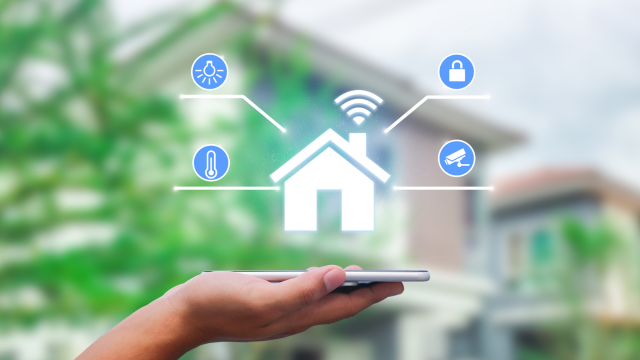

The rise of smart technology has transformed how property managers oversee rental homes, apartments, and commercial buildings. By leveraging property management sensor data, owners and managers can gain real-time insights into their assets, reduce operational costs, and deliver a safer, more efficient experience for tenants. From monitoring temperature and humidity to detecting motion or water leaks, sensor-driven data is quickly becoming an essential tool in the property management toolkit.
Understanding how to harness this data can lead to significant improvements in maintenance, energy savings, and risk prevention. This article explores the practical applications of sensor data, the types of sensors available, and how to implement these solutions for maximum impact. For those interested in more advanced integrations, resources like smart sensor dashboard rentals offer unified property views and actionable analytics.
Why Sensor Data Matters for Property Managers
Modern property management is about more than collecting rent and handling repairs. With the integration of smart sensors, managers can proactively address issues before they escalate, automate routine tasks, and even enhance tenant satisfaction. Here are some of the key benefits:
- Preventative Maintenance: Sensors can detect leaks, temperature fluctuations, or abnormal humidity, allowing for early intervention and avoiding costly repairs.
- Energy Efficiency: Smart thermostats and occupancy sensors help optimize heating, cooling, and lighting, reducing utility expenses.
- Security and Safety: Devices like smoke detectors, motion sensors, and entry monitors improve building safety and provide peace of mind for both managers and residents.
- Data-Driven Decisions: Continuous monitoring provides actionable insights, enabling better planning and resource allocation.
To learn more about how connected devices can help prevent costly incidents, see this guide on how to prevent damage in rental property with smart sensors.
Types of Sensors Used in Property Management
A wide range of sensors are available to address specific needs in residential and commercial properties. Choosing the right mix depends on your goals, property type, and budget. Here are some of the most common options:
- Environmental Sensors: Monitor temperature, humidity, and air quality to maintain comfort and prevent mold or equipment failure.
- Leak Detectors: Instantly alert managers to water leaks, reducing the risk of water damage and expensive insurance claims.
- Occupancy and Motion Sensors: Track movement to automate lighting, HVAC, and security systems, as well as monitor guest limits in short-term rentals.
- Smoke and CO Detectors: Provide early warning of fire or hazardous gas, protecting lives and property.
- Rodent and Pest Sensors: Detect unwanted activity, helping to maintain hygiene and prevent infestations.
For a deeper dive into the best wireless options, check out this overview of wifi sensors for rental homes.

How to Implement Sensor Data Solutions
Getting started with smart sensors doesn’t have to be complicated. Here are the key steps to successfully integrate sensor-driven monitoring into your property management workflow:
- Assess Your Needs: Identify the most common issues in your properties—such as leaks, unauthorized access, or high energy bills—and prioritize sensors that address these pain points.
- Choose Compatible Devices: Select sensors that can integrate with your current management software or dashboard. Many modern systems offer plug-and-play compatibility and cloud-based access.
- Install Strategically: Place sensors in high-risk or high-traffic areas, such as basements, bathrooms, entryways, and utility rooms.
- Set Up Alerts and Automations: Configure notifications for abnormal readings and automate responses where possible (e.g., shutting off water if a leak is detected).
- Monitor and Optimize: Regularly review the collected data to spot trends, prevent recurring issues, and refine your maintenance schedule.
For property managers looking to scale their operations, integrating sensor data with a centralized dashboard can streamline oversight across multiple units. Learn how to leverage iot data for rental properties to grow your business and improve operational efficiency.
Real-World Applications of Sensor Data in Property Management
The practical uses of sensor data are vast and growing. Here are some scenarios where these technologies deliver measurable value:
- Short-Term Rentals: Monitor occupancy and ensure compliance with guest limits using smart occupancy tracking solutions. This can help prevent unauthorized parties and maintain neighborhood relations. For more, see smart occupancy tracking airbnb.
- Energy Management: Use environmental sensors to adjust heating and cooling based on real-time occupancy, reducing waste and saving money.
- Maintenance Automation: Leak and moisture sensors can trigger immediate alerts, allowing for rapid response and minimizing downtime.
- Safety Compliance: Automated smoke and CO detectors ensure properties meet legal requirements and provide early warning in emergencies.
For those interested in exploring the latest sensor technology, a wide range of smart home sensors for property management are available, offering flexible solutions for every property type.

Overcoming Challenges with Smart Sensor Integration
While the advantages of property management sensor data are clear, some challenges may arise during implementation. These can include compatibility issues with legacy systems, data privacy concerns, and the need for ongoing maintenance. Here are a few tips to help overcome these hurdles:
- Choose Open Platforms: Opt for sensors and dashboards that support integration with multiple devices and software providers.
- Prioritize Security: Ensure all data transmissions are encrypted and access is restricted to authorized personnel.
- Regularly Update Devices: Keep firmware and software up to date to protect against vulnerabilities and improve performance.
- Educate Staff and Tenants: Provide clear instructions on how sensors work and the benefits they offer to encourage cooperation and transparency.
By planning ahead and selecting the right technology partners, property managers can maximize the value of their sensor investments and future-proof their operations.
Frequently Asked Questions
What types of properties benefit most from sensor data?
Both residential and commercial properties can benefit from smart sensors. Rental homes, apartment complexes, office buildings, and short-term rentals all see improved efficiency, safety, and tenant satisfaction when leveraging real-time monitoring.
How secure is the data collected by property management sensors?
Most reputable sensor systems use encrypted data transmission and secure cloud storage. It’s important to choose vendors with a strong track record in cybersecurity and to regularly update device firmware to protect against new threats.
Can sensor data help reduce operational costs?
Yes, using sensor data enables property managers to catch issues early, automate routine tasks, and optimize energy use. This proactive approach can lead to significant savings on repairs, utilities, and insurance premiums.
Conclusion
Integrating property management sensor data into your operations is a practical way to modernize your approach, protect your assets, and deliver a better experience for tenants. By choosing the right sensors, setting up effective monitoring, and acting on the insights provided, property managers can streamline their workflow and stay ahead of potential problems. As the technology continues to evolve, those who embrace data-driven management will be best positioned for long-term success.