
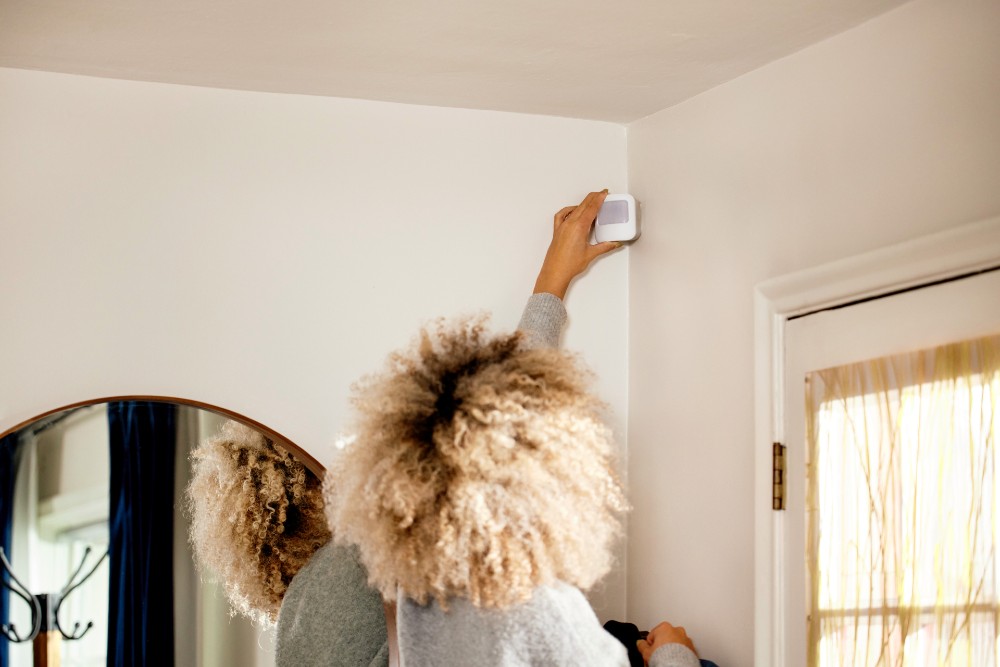

Property owners and managers are increasingly turning to IoT safety devices for rentals to enhance protection, streamline monitoring, and provide peace of mind to both guests and themselves. With the rise of smart technology, rental homes can now be equipped with a variety of interconnected sensors and alarms that help prevent accidents, deter intruders, and alert you to issues before they become costly problems.
Whether you manage a single vacation property or oversee multiple rental units, integrating smart safety solutions is a practical way to safeguard your investment. This article explores the most effective IoT-enabled devices for rental properties, including how they work, what to look for, and how to maximize their benefits. For a deeper dive into specific sensor types, you can also check out our guide on rental home safety sensors.
Why Smart Safety Technology Matters in Rental Properties
Modern renters expect more than just a lock and key. Smart safety devices offer real-time monitoring, instant notifications, and remote control, making them invaluable for property owners who want to ensure their rentals are secure and compliant with safety standards. These tools can help you:
- Detect unauthorized access or tampering at doors and windows
- Monitor for fire, smoke, or carbon monoxide to protect guests and property
- Identify water leaks or flooding before major damage occurs
- Track environmental changes like temperature and humidity
- Reduce liability and insurance costs by demonstrating proactive safety measures
Integrating these systems not only protects your property but also builds trust with guests, leading to better reviews and repeat bookings.
Essential IoT Safety Devices Every Rental Should Have
Choosing the right combination of smart devices can make a significant difference in your rental’s safety profile. Here are the most valuable IoT-enabled solutions for rental homes:
1. Smart Entry and Door Sensors
Entry sensors are the frontline defense for any rental property. These devices alert you when doors or windows are opened unexpectedly, helping you monitor access and detect break-ins. Many modern sensors can be integrated with smart locks and security systems for seamless control. For more information on this technology, see our article on smart door sensors rentals and smart entry sensors rental homes.
2. Motion Detectors and Occupancy Sensors
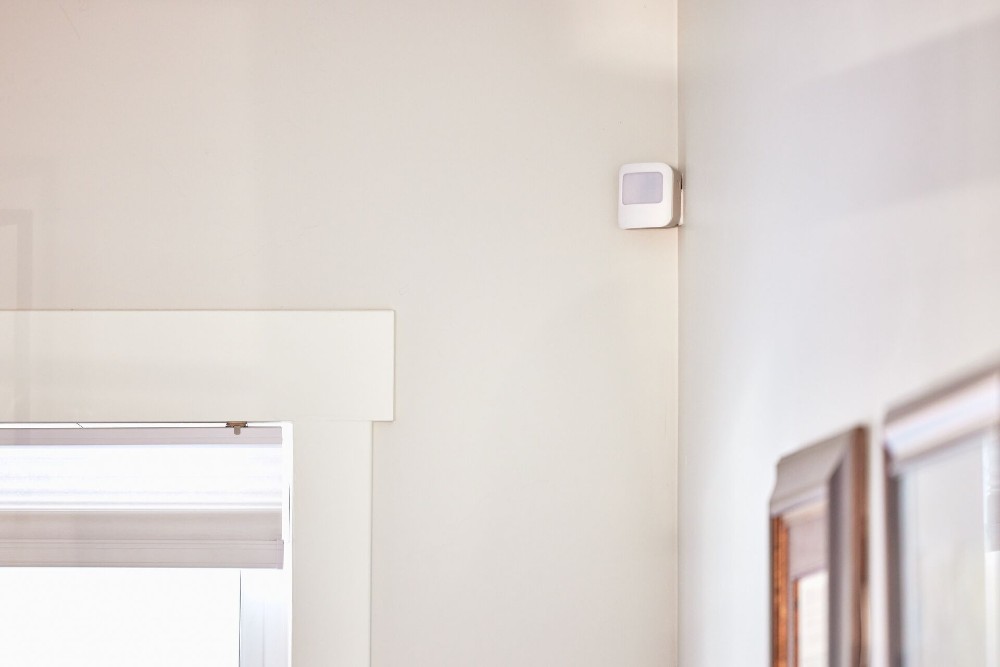
Motion sensors provide an extra layer of security by detecting movement inside or around your property. These devices can trigger alarms, lights, or cameras, and are especially useful for monitoring vacant rentals or shared spaces.
3. Smoke, Fire, and Carbon Monoxide Alarms
Smart smoke detectors and CO alarms are critical for guest safety and regulatory compliance. These devices send instant alerts to your phone if smoke or dangerous gases are detected, allowing for rapid response. For a comprehensive overview, refer to our resource on smart smoke detectors for rentals.
4. Water Leak and Flood Sensors
Water damage can be one of the most expensive issues for rental properties. IoT-enabled leak detectors monitor for moisture in vulnerable areas like kitchens, bathrooms, and basements. If a leak is detected, you’ll receive an immediate notification, helping you address the problem before it escalates. Learn more about these devices in our guide to water leak sensors for vacation rentals.
5. Rodent and Pest Detection Devices
Unwanted pests can quickly ruin a guest’s experience and damage your property. Smart rodent detectors use sensors and wireless connectivity to alert you to activity, allowing for prompt intervention and maintaining a hygienic environment.
How to Choose the Best IoT Solutions for Your Rental
When selecting smart safety devices, consider the following factors to ensure you get the most value and protection:
- Compatibility: Make sure devices work with your existing smart home platform or hub.
- Ease of installation: Look for wireless, battery-powered options that don’t require professional setup.
- Remote access: Choose solutions that let you monitor and control devices from your phone or computer.
- Reliability: Opt for products with strong reviews and proven track records.
- Integration: Devices that work together (e.g., motion sensors triggering cameras) offer better coverage and automation.
For a side-by-side comparison of popular smart sensors, check out this expert review of the best smart home sensors for Alexa.
Installation and Maintenance Tips for Smart Safety Devices
Proper setup and regular maintenance are crucial to getting the most out of your IoT safety equipment. Here are some best practices:
- Test all sensors and alarms monthly to ensure they’re working correctly.
- Replace batteries as needed, and keep spares on hand for quick swaps.
- Update device firmware regularly to patch security vulnerabilities and improve performance.
- Position sensors in strategic locations—entry points, kitchens, bathrooms, and basements are top priorities.
- Document your system for guests, so they know what to expect and how to respond to alerts.
By staying proactive, you’ll minimize downtime and maximize the protective benefits of your smart devices.
Benefits of IoT Safety Devices for Rental Owners and Guests
Investing in connected safety solutions offers advantages for everyone involved:
- Peace of mind for owners, knowing their property is monitored 24/7
- Enhanced guest experience with visible safety features and clear emergency protocols
- Faster response to incidents, reducing the risk of major damage or injury
- Lower insurance premiums in some cases, thanks to risk mitigation
- Improved property value and marketability for tech-savvy renters
As smart home technology becomes more accessible, these benefits are within reach for rental properties of all sizes and types.
Frequently Asked Questions
What are the most important IoT safety devices for rental properties?
Key devices include smart entry sensors, motion detectors, smoke and CO alarms, water leak sensors, and pest detection devices. These cover the most common risks in rental homes and provide comprehensive protection.
How do I choose the right smart safety devices for my rental?
Focus on compatibility with your existing systems, ease of installation, remote monitoring features, and reliability. Reading expert reviews and comparing features can help you make informed decisions.
Are IoT safety devices difficult to install and maintain?
Most modern devices are designed for easy DIY installation and require minimal maintenance. Regular testing and battery changes are usually all that’s needed to keep them functioning properly.