
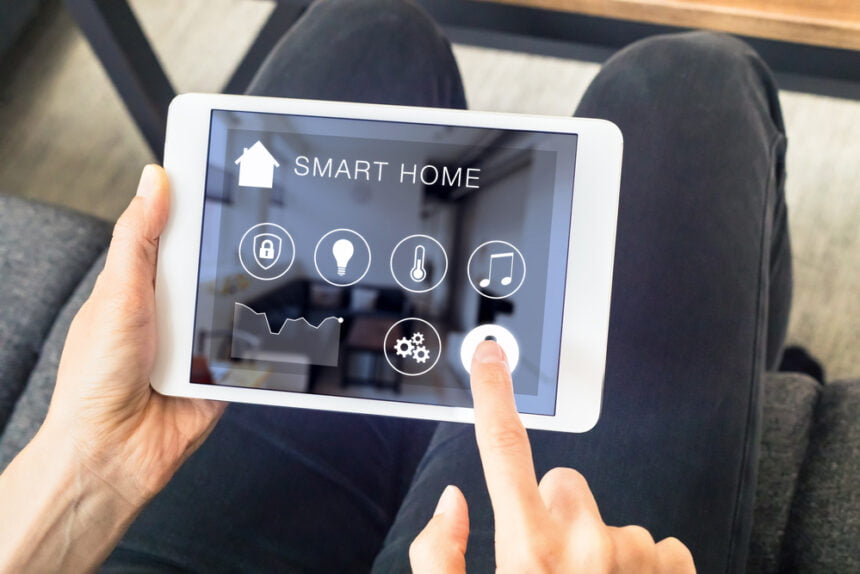

Managing access and security in rental properties has become more efficient and reliable with the rise of smart entry sensors for rental homes. These devices offer property owners and managers a practical way to monitor entry points, automate alerts, and ensure that only authorized individuals can access the premises. Whether you’re overseeing a single-family home, a vacation rental, or a portfolio of short-term rentals, implementing these sensors can significantly improve both guest experience and property protection.
Modern access control solutions are not just about locking doors—they’re about integrating technology to provide real-time insights, remote management, and peace of mind for both owners and tenants. With the increasing demand for flexible, secure, and automated property management, understanding how smart entry devices work and how they can be integrated into your rental is more important than ever.
For those looking to expand their security toolkit, exploring rental property security system sensors can provide additional layers of protection and convenience, especially when combined with entry monitoring solutions.
How Smart Entry Devices Improve Rental Property Security
Integrating smart entry sensors for rental homes delivers several advantages over traditional locks and manual monitoring. These devices are designed to detect door or window openings, unauthorized access attempts, and even tampering. When connected to a central hub or property management platform, they can instantly notify owners or managers of any unusual activity, allowing for swift action.
- Remote Monitoring: Receive real-time alerts on your phone or computer, no matter where you are.
- Automated Access Logs: Track who enters and exits the property, which is especially useful for short-term rentals or properties with frequent guest turnover.
- Integration with Other Systems: Many entry sensors work seamlessly with smart locks, cameras, and alarm systems, creating a comprehensive security ecosystem.
- Deterrence: Visible sensors and signage can discourage unauthorized entry and reduce the risk of break-ins.
For property managers, these benefits translate into less time spent on manual checks and greater confidence in the security of their assets.
Types of Entry Sensors Suitable for Rental Properties
There are several types of entry sensors that can be installed in rental homes, each offering unique features and levels of sophistication. Choosing the right solution depends on your property’s layout, guest turnover frequency, and desired level of automation.
- Contact Sensors: These are the most common and are typically installed on doors and windows. They detect when the entry point is opened or closed and can trigger alerts or alarms.
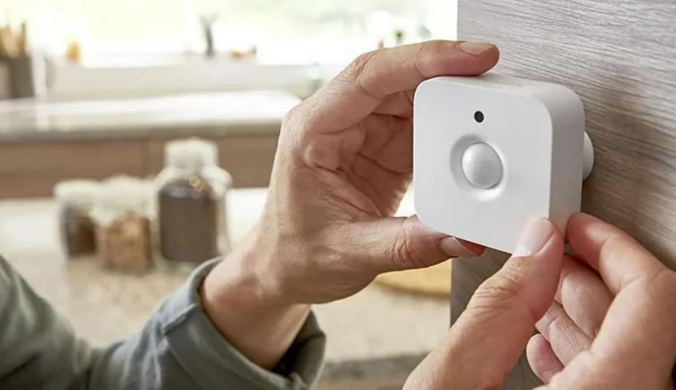
- Motion Sensors: Placed near entryways, these devices detect movement and can be set to activate lights, cameras, or alarms if unexpected activity is detected.
- Smart Locks with Built-In Sensors: Some advanced locks include integrated sensors that not only control access but also monitor entry events and report them to the property owner.
- Glass Break Sensors: These detect the sound or vibration of breaking glass, providing an extra layer of protection for windows and sliding doors.
For a deeper dive into the broader world of home automation, this guide to smart sensors and their role in home automation offers valuable insights into how these technologies are transforming property management.
Key Features to Look for in Entry Sensors for Rentals
When selecting smart entry sensors for rental homes, it’s important to focus on features that address the unique needs of rental properties. Here are some essential characteristics to consider:
- Easy Installation: Look for wireless models that don’t require drilling or complex wiring, making them ideal for both owners and tenants.
- Remote Access and Alerts: The ability to receive notifications and manage settings remotely is crucial for off-site property management.
- Integration Capabilities: Choose sensors that can connect with other smart devices, such as thermostats, lights, and security cameras.
- Battery Life: Long-lasting batteries reduce maintenance and ensure continuous protection.
- Guest-Friendly Operation: Devices should be unobtrusive and not interfere with the guest experience.
These features help property owners maintain a balance between robust security and a welcoming environment for guests.
Integrating Entry Sensors with Other Safety Solutions
Entry sensors are most effective when used as part of a broader safety and automation strategy. Combining them with other smart devices can create a layered approach to property protection. For example, pairing entry sensors with rental home safety sensors ensures comprehensive coverage, including fire, water leak, and environmental monitoring.
Some property owners also integrate their entry sensors with smart lighting or voice assistants, allowing for automated routines such as turning on lights when someone enters or sending voice alerts if an entry is detected outside of approved hours. This not only enhances security but also adds value for guests who appreciate modern, connected living spaces.
Best Practices for Installing and Managing Entry Sensors
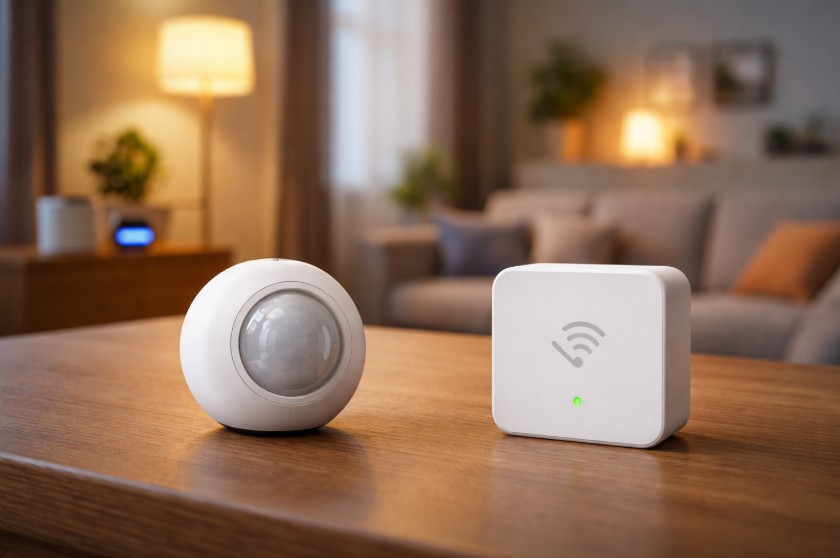
To maximize the benefits of smart entry sensors for rental homes, follow these best practices:
- Strategic Placement: Install sensors on all main entry points, including front and back doors, garage entrances, and accessible windows.
- Test Regularly: Periodically check that sensors are functioning correctly and that notifications are being received.
- Educate Guests: Provide clear instructions for guests on how the sensors work and reassure them about privacy considerations.
- Update Access Codes: If using smart locks, change codes or permissions between guest stays to maintain security.
- Monitor Battery Levels: Keep spare batteries on hand and set reminders to replace them as needed.
By following these steps, property owners can ensure their entry monitoring systems remain reliable and effective over time.
Expanding Security with Additional Smart Sensors
While entry sensors are a cornerstone of rental property security, adding other smart devices can further enhance protection. Consider integrating:
- Water Leak Detectors: Prevent costly damage by receiving alerts about leaks or flooding. Learn more about water leak sensors for vacation rentals.
- Smoke and CO Detectors: Ensure guest safety and meet regulatory requirements with smart alarms that notify you instantly of any issues.
- Environmental Sensors: Monitor temperature, humidity, and air quality to maintain a comfortable and safe environment.
Combining these technologies with entry monitoring creates a robust, multi-layered security system tailored to the needs of rental properties.
Frequently Asked Questions
Are smart entry sensors suitable for both short-term and long-term rentals?
Yes, these devices are versatile and can be used in both short-term and long-term rental settings. They provide real-time monitoring and can be easily reconfigured between guest stays, making them ideal for properties with frequent turnover as well as those with long-term tenants.
How do smart entry sensors protect guest privacy?
Most entry sensors are designed to detect door or window openings without capturing audio or video, ensuring that guest privacy is maintained. Property owners should always inform guests about the presence and purpose of these devices and avoid installing them in private areas.
Can entry sensors be integrated with other smart home devices?
Absolutely. Many modern sensors are compatible with smart locks, cameras, lighting, and environmental monitors, allowing for seamless automation and centralized control. This integration enhances both security and convenience for owners and guests.
Conclusion
Adopting smart entry sensors for rental homes is a practical step toward modernizing property management and improving security. These devices offer real-time insights, remote control, and peace of mind for both owners and tenants. By choosing the right sensors, integrating them with other smart solutions, and following best practices for installation and management, you can create a safer, more efficient rental experience. As technology continues to evolve, staying informed about the latest advancements will help you protect your investment and meet the expectations of today’s renters.