
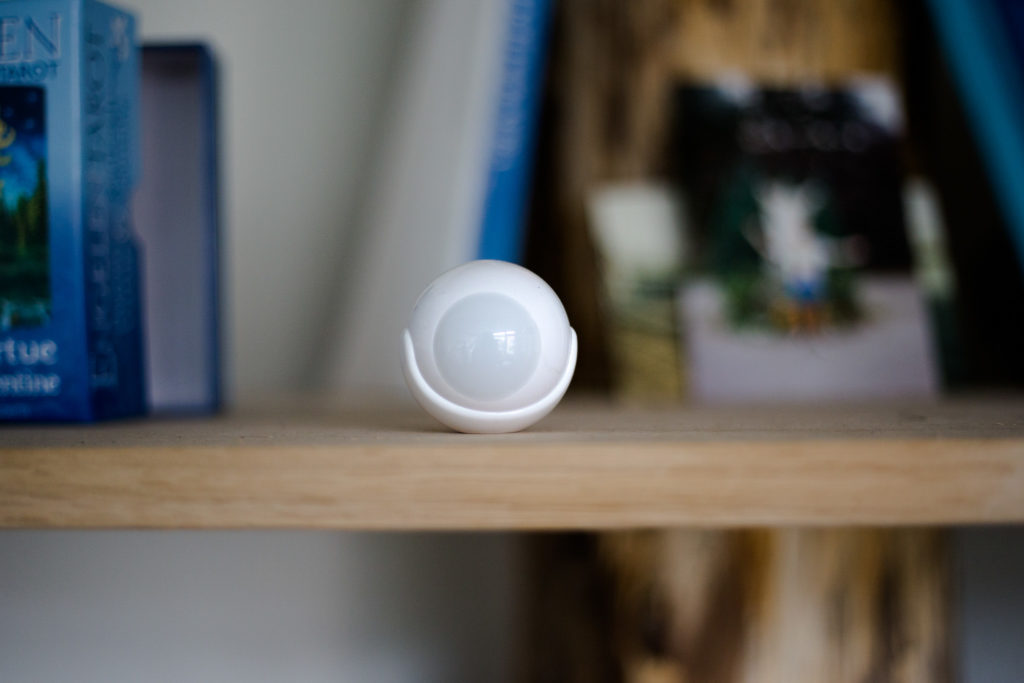

Protecting your short-term rental property is more important than ever. With the rise of vacation rentals, hosts face new challenges in ensuring their spaces remain safe, secure, and well-maintained. Smart security sensors for Airbnb provide a proactive way to monitor activity, detect issues early, and give both hosts and guests greater peace of mind. Whether you’re managing a single apartment or multiple listings, integrating modern sensors can help you safeguard your investment and streamline operations.
From monitoring for unauthorized entry to detecting environmental hazards, these devices offer real-time alerts and automation that traditional security systems can’t match. In this guide, we’ll explore the essential types of smart sensors, how they benefit Airbnb hosts, and tips for choosing the right solutions for your property. For those interested in broader protection, consider learning about smart leak detection sensors rentals to prevent water damage in your rental units.
Why Modern Hosts Choose Smart Sensors for Airbnb Rentals
Short-term rental owners face unique risks compared to traditional landlords. Guests come and go frequently, making it harder to monitor for unauthorized parties, damage, or environmental hazards. Smart security sensors for Airbnb properties address these challenges by providing:
- Real-time alerts for doors, windows, or motion events
- Remote monitoring from anywhere via smartphone apps
- Automated responses, such as activating lights or sirens
- Integration with other smart home devices for seamless control
- Evidence collection in case of disputes or insurance claims
By leveraging these technologies, hosts can reduce risks, respond quickly to incidents, and create a safer environment for guests. This not only helps protect your property but can also improve reviews and boost occupancy rates.
Types of Smart Security Sensors Every Airbnb Should Consider
There are several categories of sensors that can enhance the safety and efficiency of your rental. Here’s a breakdown of the most valuable options for hosts:
Entry and Motion Detection Devices
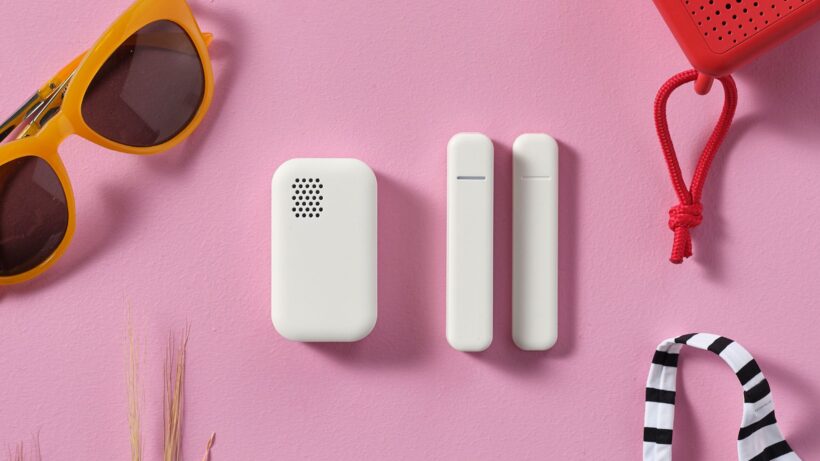
Door and window sensors alert you if someone enters the property unexpectedly. Motion detectors can notify you of movement in restricted areas or during vacancy periods. These are essential for preventing unauthorized access and can be integrated with smart locks for added control.
Environmental and Safety Monitoring
Smoke, carbon monoxide, and gas leak detectors are critical for guest safety and may be required by local regulations. Smart versions send instant notifications to your phone, allowing you to act quickly in emergencies. Consider pairing these with humidity sensors for rentals to prevent mold and moisture damage.
Noise and Occupancy Sensors
Excessive noise can lead to complaints from neighbors and potential fines. Smart noise sensors help you monitor sound levels and identify parties or disturbances before they escalate. Occupancy sensors, meanwhile, provide insights into guest presence and can help optimize cleaning schedules or detect overstays. Learn more about smart noise sensors for rentals and occupancy detection rental property for comprehensive coverage.
Pest and Rodent Detection
Unwanted pests can quickly damage your reputation and property. Smart rodent detectors alert you to activity in real time, enabling fast intervention. This proactive approach helps maintain cleanliness and guest satisfaction.
Key Features to Look for in Security Sensors for Short-Term Rentals
When selecting devices for your Airbnb, consider the following features to maximize value and usability:
- Wireless connectivity for easy installation and remote access
- Battery backup to ensure operation during power outages
- Integration with smart home platforms (e.g., Alexa, Google Home, Apple HomeKit)
- Customizable alerts and automation rules
- Data privacy and compliance with local laws regarding guest monitoring
Choose products from reputable brands with strong customer support and regular firmware updates. Reading user reviews and consulting resources like this guide to smart home sensors can help you make informed decisions.
Installation and Best Practices for Airbnb Hosts
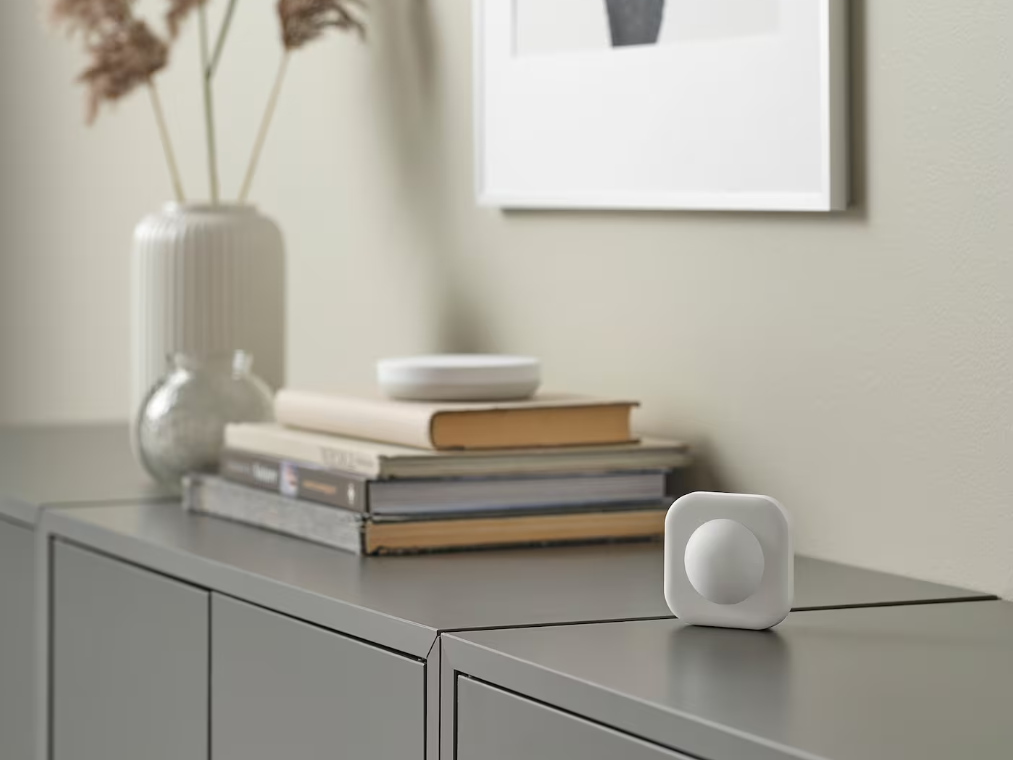
Setting up smart sensors doesn’t have to be complicated. Most modern devices are designed for DIY installation, requiring minimal tools and no professional wiring. Here are some tips to ensure effective deployment:
- Place entry sensors on all accessible doors and windows
- Install motion detectors in common areas, but avoid private spaces to respect guest privacy
- Position smoke and CO detectors in kitchens, hallways, and sleeping areas
- Test all devices regularly and replace batteries as needed
- Clearly communicate the presence of security devices in your Airbnb listing to maintain transparency
For added efficiency, consider integrating your sensors with smart temperature sensors rental homes to automate climate control and reduce utility costs.
Legal and Privacy Considerations for Short-Term Rentals
While smart security sensors offer many benefits, it’s crucial to respect guest privacy and comply with local regulations. Here’s what every host should keep in mind:
- Never install cameras or sensors in bathrooms or bedrooms
- Disclose all monitoring devices in your Airbnb listing and house rules
- Review local laws regarding surveillance and data collection
- Use sensors solely for safety and property protection, not to monitor guest behavior
Transparency builds trust and helps avoid disputes or negative reviews. Always prioritize guest comfort while maintaining robust security.
Integrating Smart Sensors with Other Home Automation Tools
Combining security sensors with other smart home devices can further enhance your rental’s appeal and efficiency. For example, linking entry sensors to smart locks allows for automated check-in and check-out, while integrating environmental sensors with thermostats can optimize energy use. Many platforms support routines that trigger lights, alarms, or notifications based on sensor activity, creating a seamless experience for both hosts and guests.
Frequently Asked Questions
Are smart security sensors allowed in Airbnb rentals?
Yes, but it’s important to follow Airbnb’s rules and local laws. Hosts must disclose all security devices in their listing and avoid placing them in private areas such as bedrooms and bathrooms. Always prioritize transparency and guest privacy.
What are the most important sensors for short-term rentals?
Entry sensors, motion detectors, smoke and carbon monoxide alarms, and noise monitors are among the most valuable. Each addresses a specific risk, from unauthorized access to safety hazards and potential disturbances.
How do smart sensors help prevent property damage?
These devices provide real-time alerts for unauthorized entry, excessive noise, smoke, leaks, and even pest activity. Early detection allows hosts to intervene quickly, minimizing damage and reducing costly repairs.
Conclusion
Equipping your Airbnb with smart security sensors is one of the most effective ways to protect your property, meet guest expectations, and simplify management. By choosing the right combination of entry, environmental, and noise sensors—and integrating them with other smart home tools—you can create a safer, more attractive rental that stands out in a competitive market. Always stay informed about legal requirements and prioritize guest privacy for the best possible hosting experience.