
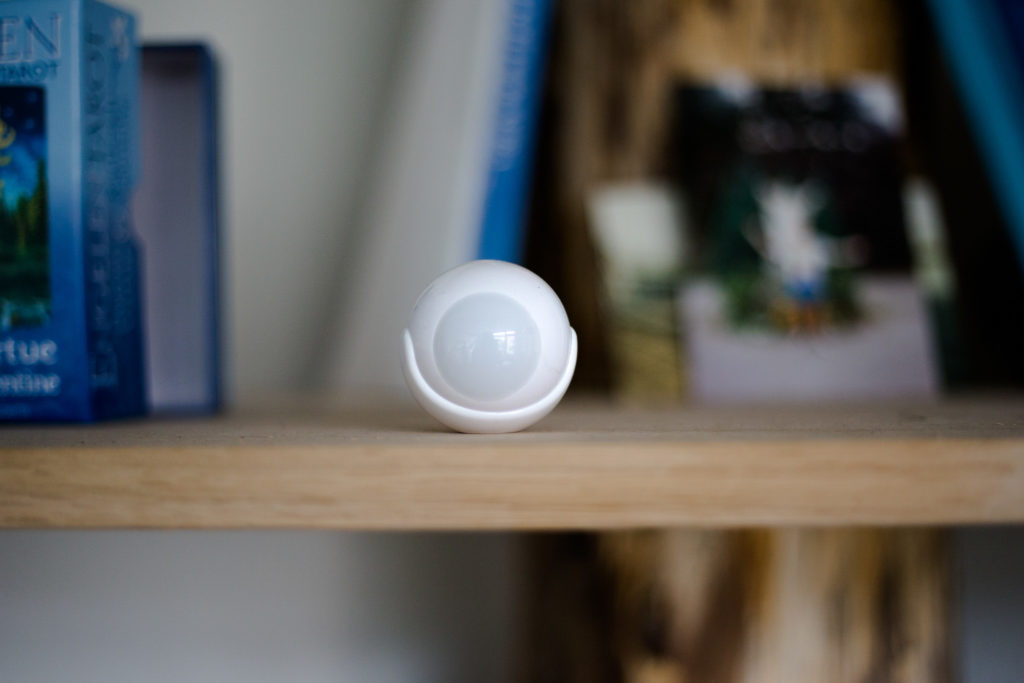

Modern rental properties are evolving rapidly thanks to advances in smart technology. Landlords, property managers, and tenants are all benefiting from connected devices that make homes safer, more efficient, and easier to manage. This smart rental technology guide explains the essential tools, trends, and best practices for integrating intelligent solutions into rental properties, whether you manage a single unit or a portfolio of homes.
From automated locks and sensors to energy-saving thermostats and advanced security systems, technology is transforming the rental experience. Understanding how to select, install, and maintain these devices can help you attract tenants, reduce costs, and streamline property management.
For a deeper dive into how connected devices are shaping property management, see smart property management systems and discover how IoT sensors are being integrated into modern rentals.
Why Smart Devices Are Transforming Rental Properties
Integrating smart technology into rentals is no longer a luxury—it’s quickly becoming an expectation. Tenants increasingly look for features that improve convenience, safety, and comfort. Meanwhile, property owners benefit from better oversight, reduced maintenance costs, and enhanced security.
- Remote Access: Landlords can monitor and control devices from anywhere, reducing the need for on-site visits.
- Energy Efficiency: Smart thermostats and lighting systems help lower utility bills and support sustainability goals.
- Improved Security: Smart locks, cameras, and sensors offer real-time alerts and peace of mind for both owners and tenants.
- Streamlined Maintenance: Automated systems can detect leaks, smoke, or unusual activity, allowing for faster response and less damage.
Key Components of a Connected Rental Home
Building a connected rental property involves several types of devices and platforms. Here are the most impactful categories for landlords and tenants:
Smart Locks and Entry Systems
Keyless entry is one of the most popular upgrades in rental units. Smart locks allow property managers to grant or revoke access remotely, provide temporary codes for guests or service providers, and track entry logs for added security. These systems reduce the hassle of lost keys and make turnover between tenants much smoother.
Environmental Sensors and Detectors
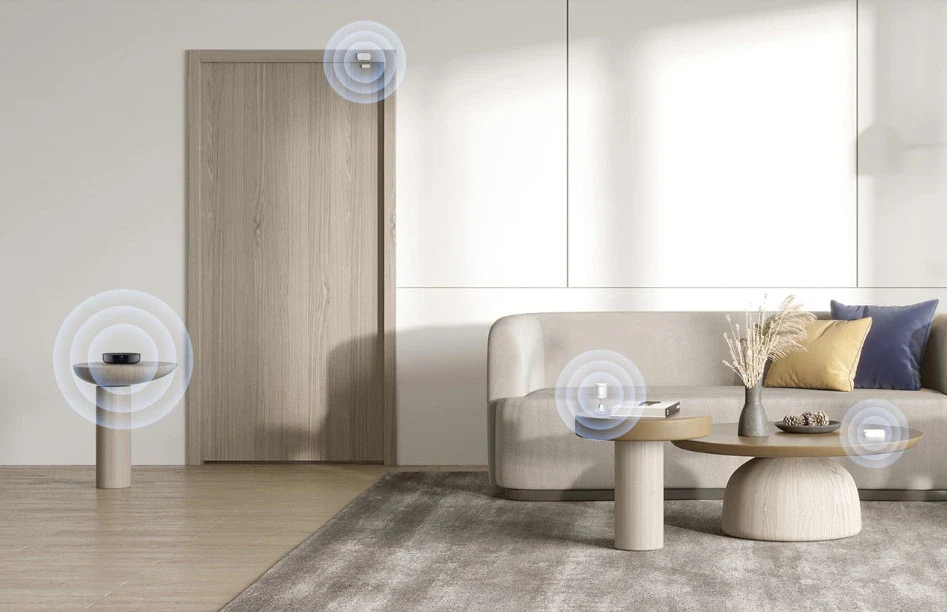
Devices such as smoke detectors, carbon monoxide alarms, and leak sensors are essential for safety and compliance. Modern versions can send instant alerts to both tenants and landlords, enabling rapid response to emergencies. For more on the advantages of these devices, read about the benefits of smart sensors for Airbnb and similar rental settings.
Climate Control and Energy Management
Smart thermostats and connected HVAC systems help maintain comfortable temperatures while minimizing energy waste. Tenants enjoy personalized comfort, and landlords can monitor usage patterns or set limits to prevent excessive utility costs. These devices often integrate with other smart home platforms for seamless automation.
Lighting and Appliance Automation
Automated lighting and smart plugs allow for scheduling, remote control, and energy tracking. Tenants can set routines or control lights from their phones, while property managers can ensure lights are off during vacancies. This not only saves energy but also enhances security by making properties appear occupied.
Choosing the Right Smart Solutions for Your Rental
Selecting the best devices depends on your property type, tenant preferences, and management style. Here are a few tips for making informed choices:
- Compatibility: Choose devices that work with common platforms (like Google Home, Alexa, or Apple HomeKit) for maximum flexibility.
- Ease of Use: Opt for solutions with intuitive apps and straightforward installation, minimizing tenant support requests.
- Security: Prioritize devices with strong encryption and regular firmware updates to protect against cyber threats.
- Cost vs. Benefit: Consider the long-term savings and tenant appeal when evaluating upfront costs.
For a look at broader automation trends, explore rental property automation trends and see how technology is setting new standards across the industry.
Integrating Sensors and Automation for Maximum Benefit
One of the most powerful aspects of modern rental tech is the ability to automate and monitor a wide range of property functions. Sensors can detect motion, temperature changes, humidity, and even the presence of pests. When integrated with property management systems, these tools provide real-time data and actionable insights.
To understand the technical side of these devices, check out this guide to smart sensors and their role in home automation for a comprehensive overview of how sensors work and their impact on property management.
For landlords interested in the practical benefits of these systems, the article on why use smart sensors in rentals outlines the landlord’s advantage, including security and cost savings.
Best Practices for Implementing Smart Tech in Rentals
Successfully adopting smart technology in rental properties requires thoughtful planning and clear communication with tenants. Here are some best practices to consider:
- Inform Tenants: Clearly explain the features and benefits of installed devices, and provide instructions for use.
- Respect Privacy: Choose devices and settings that protect tenant privacy, especially with cameras and monitoring tools.
- Maintain Devices: Regularly update firmware and test devices to ensure ongoing reliability and security.
- Document Policies: Include smart device guidelines in lease agreements to set expectations and responsibilities.
For more on how smart tech is enhancing the guest experience, see the discussion on IoT in hospitality rentals.
Frequently Asked Questions
What are the main benefits of using smart technology in rental properties?
Smart devices improve security, convenience, and energy efficiency. Landlords can monitor properties remotely, reduce maintenance costs, and offer appealing features to tenants. Tenants enjoy greater comfort and control over their living environment.
Are smart home devices difficult to install or maintain?
Most modern smart devices are designed for easy installation and user-friendly operation. Many can be set up without professional help, but larger systems may require expert installation. Regular updates and occasional maintenance are recommended for optimal performance.
How do smart sensors help with property management?
Smart sensors provide real-time data on environmental conditions, security, and occupancy. This allows landlords to respond quickly to issues like leaks, smoke, or unauthorized entry, minimizing damage and improving tenant safety. For more details, refer to this comprehensive guide to smart sensors.
Conclusion
Embracing smart technology in rental properties offers clear advantages for both landlords and tenants. By selecting the right devices, integrating them thoughtfully, and maintaining clear communication, property owners can enhance value, reduce risks, and stay ahead in a competitive market. Use this guide as a starting point to explore the many ways connected technology can transform your rental business.