
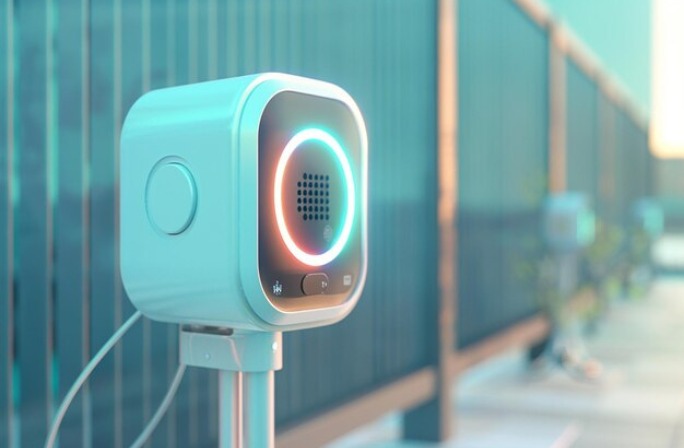

Short-term rental owners and property managers are increasingly turning to smart monitoring solutions to enhance both safety and operational efficiency. Integrating intelligent sensors and automation tools into Airbnb properties offers a range of advantages, from safeguarding guests and assets to minimizing unnecessary expenses. Understanding the airbnb smart monitoring benefits can help hosts make informed decisions about technology investments and guest experience improvements.
Smart monitoring systems combine real-time data collection, automated alerts, and remote management features to provide a comprehensive approach to property oversight. These technologies are not only about preventing problems—they also support proactive maintenance, energy savings, and regulatory compliance. As the hospitality industry evolves, leveraging these tools has become a best practice for responsible and profitable hosting.
For those interested in a deeper dive into integrating IoT devices and automation, the article on smart property management systems provides a comprehensive overview of how these technologies are reshaping rental management.
How Smart Monitoring Enhances Airbnb Safety
One of the core reasons hosts adopt intelligent monitoring is to improve the safety of both guests and property. Modern systems use a combination of sensors, cameras, and connected devices to detect and alert owners to potential risks. These can include:
- Smoke and carbon monoxide detection for early warning of fire or hazardous air quality
- Entry and motion sensors to identify unauthorized access or unexpected movement
- Water leak detectors to prevent costly damage from plumbing failures
- Environmental sensors monitoring temperature, humidity, and air quality
By receiving instant notifications on their smartphones or dashboards, hosts can respond quickly to emergencies or maintenance needs, often before guests are even aware of an issue. This proactive approach not only protects people and property but also builds trust with guests, leading to better reviews and repeat bookings.
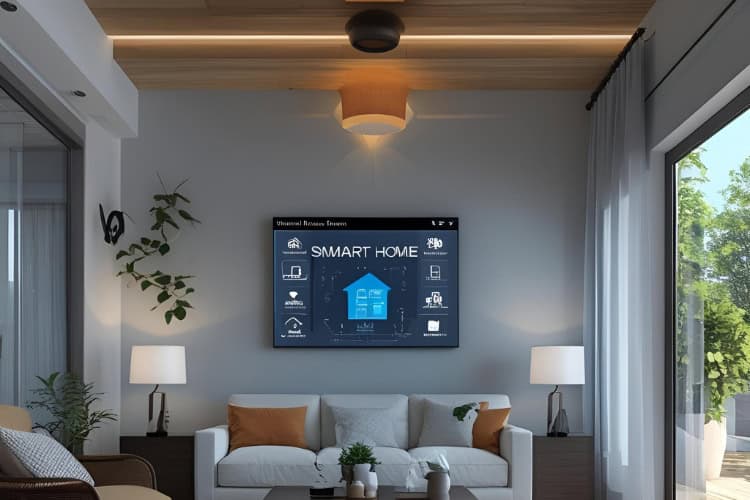
Cost Control Through Intelligent Automation
Managing expenses is a top priority for any Airbnb host. Smart monitoring platforms help reduce costs in several key ways:
- Energy management: Automated thermostats and occupancy sensors adjust heating, cooling, and lighting based on guest presence, preventing waste and lowering utility bills.
- Maintenance alerts: Early detection of leaks, humidity, or abnormal appliance behavior allows for timely repairs, avoiding expensive damage and downtime.
- Remote access: Digital locks and entry logs eliminate the need for physical key handovers and reduce the risk of lost keys or lockouts.
- Usage tracking: Monitoring water, electricity, and other resources helps identify patterns and opportunities for further savings.
By leveraging these features, hosts can maintain a high standard of comfort for guests while keeping operational costs in check. This balance is especially important in competitive markets where profit margins can be tight.
Guest Experience and Regulatory Compliance
Beyond safety and savings, smart monitoring contributes to a seamless guest experience. Automated check-ins, personalized climate control, and real-time support all add value for travelers. Many guests now expect a certain level of technology in their accommodations, and properties that deliver on this front often receive higher ratings.
Additionally, local regulations may require certain safety measures, such as smoke detectors or noise monitoring. Smart systems make it easier for hosts to demonstrate compliance and avoid fines or penalties. For more practical advice on optimizing your property with connected devices, see the guide on smart sensors rental management tips.
Types of Smart Sensors for Airbnb Properties
The range of available devices continues to grow, offering hosts a variety of options to suit their specific needs. Some of the most popular sensor types include:
- Noise monitoring sensors to detect excessive sound levels and prevent party-related issues
- Smart smoke and CO alarms for enhanced fire safety
- Rodent and pest detectors to maintain hygiene and avoid guest complaints
- Door and window sensors for improved security
- Environmental monitors for air quality and comfort
For a detailed breakdown of essential devices, the article on nine sensors every smart home needs offers a helpful overview of what to consider when upgrading your rental.
Integration With Property Management Platforms
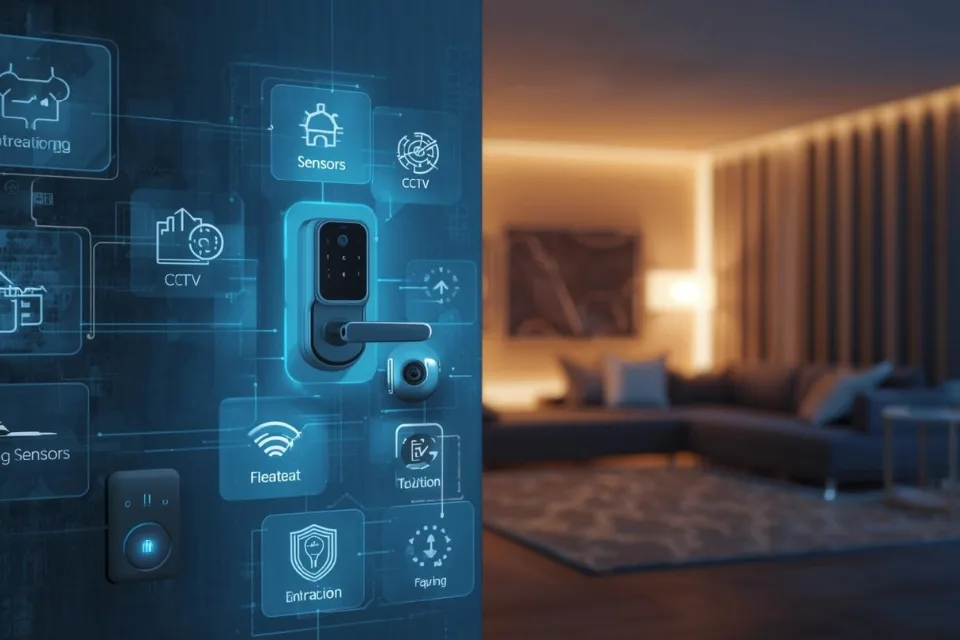
Modern smart monitoring solutions are designed to work seamlessly with property management systems. This integration allows hosts to automate routine tasks, synchronize bookings, and centralize alerts and reports. By connecting devices to a unified dashboard, owners can monitor multiple properties from anywhere, saving time and reducing the risk of oversight.
For those managing several listings, exploring the benefits of smart sensors for Airbnb can reveal additional strategies for scaling operations while maintaining quality and control.
Privacy and Transparency Considerations
While the advantages of smart monitoring are clear, hosts must also respect guest privacy and comply with platform policies. It is essential to:
- Disclose all monitoring devices in the listing description
- Place cameras only in common areas and never in private spaces like bedrooms or bathrooms
- Use noise and environmental sensors that do not record conversations or personal data
- Follow local laws regarding surveillance and data protection
Clear communication and transparency help build trust and avoid misunderstandings, ensuring that technology enhances rather than detracts from the guest experience.
Maximizing Value With Smart Monitoring
Adopting intelligent monitoring tools is not just about technology—it’s about creating a safer, more efficient, and guest-friendly environment. By choosing the right combination of sensors and automation, hosts can:
- Reduce the risk of costly incidents and insurance claims
- Lower utility and maintenance expenses
- Deliver a higher standard of hospitality
- Stay ahead of regulatory requirements
For landlords and hosts considering a transition to smarter operations, the article on why use smart sensors in rentals outlines the broader advantages and practical steps for implementation.
FAQ: Smart Monitoring for Airbnb Hosts
What types of smart sensors are most important for Airbnb properties?
Key devices include smoke and carbon monoxide detectors, noise monitors, entry sensors, water leak detectors, and environmental monitors. These address the most common safety, comfort, and maintenance concerns in short-term rentals.
How does smart monitoring help reduce operational costs?
By automating energy use, detecting issues early, and enabling remote management, smart systems help hosts avoid unnecessary expenses. This includes lower utility bills, fewer emergency repairs, and reduced need for on-site visits.
Are there privacy concerns with using smart monitoring devices?
Yes, hosts must disclose all monitoring devices and ensure they are only placed in appropriate areas. Cameras should never be installed in private spaces, and all local laws and platform policies regarding guest privacy must be followed.
Can smart monitoring improve guest satisfaction?
Absolutely. Guests appreciate the added safety, convenience, and comfort that smart devices provide. Features like automated check-in, responsive climate control, and prompt issue resolution contribute to positive reviews and repeat bookings.