

The landscape of property management is changing rapidly as automation technology becomes more accessible and robust. Landlords, property managers, and short-term rental hosts are increasingly adopting smart solutions to streamline operations, enhance security, and improve tenant satisfaction. Understanding rental property automation trends is now essential for anyone looking to stay competitive and efficient in the rental market.
From smart sensors that monitor everything from leaks to occupancy, to integrated platforms that automate communication and maintenance, the latest advancements are setting new expectations for both owners and renters. This article explores the most significant developments, practical benefits, and key considerations for implementing automation in rental properties.
For those interested in deeper integration of smart devices, smart property management systems offer a comprehensive approach to automating and monitoring rental units. These platforms can help streamline everything from guest check-in to energy management, making them a valuable resource for modern landlords.
Why Automation Is Becoming Essential in Rentals
Automation is no longer a luxury—it’s quickly becoming a necessity. The demand for convenience and efficiency from both tenants and property owners has pushed the adoption of smart technologies to the forefront. Automated systems not only reduce manual workload but also provide real-time data, allowing for proactive management and faster response to issues.
- Remote Monitoring: Landlords can oversee properties from anywhere, reducing the need for frequent site visits.
- Enhanced Security: Smart locks, cameras, and sensors deter unauthorized access and alert owners to unusual activity.
- Energy Savings: Automated thermostats and lighting systems help cut utility costs and support sustainability goals.
- Improved Tenant Experience: Automated communication and maintenance scheduling lead to higher satisfaction and retention rates.
Key Automation Technologies Shaping the Industry
Several technologies are driving the most impactful rental property automation trends today. These tools are designed to address common pain points and create a seamless experience for both managers and residents.
Smart Sensors and Monitoring Devices
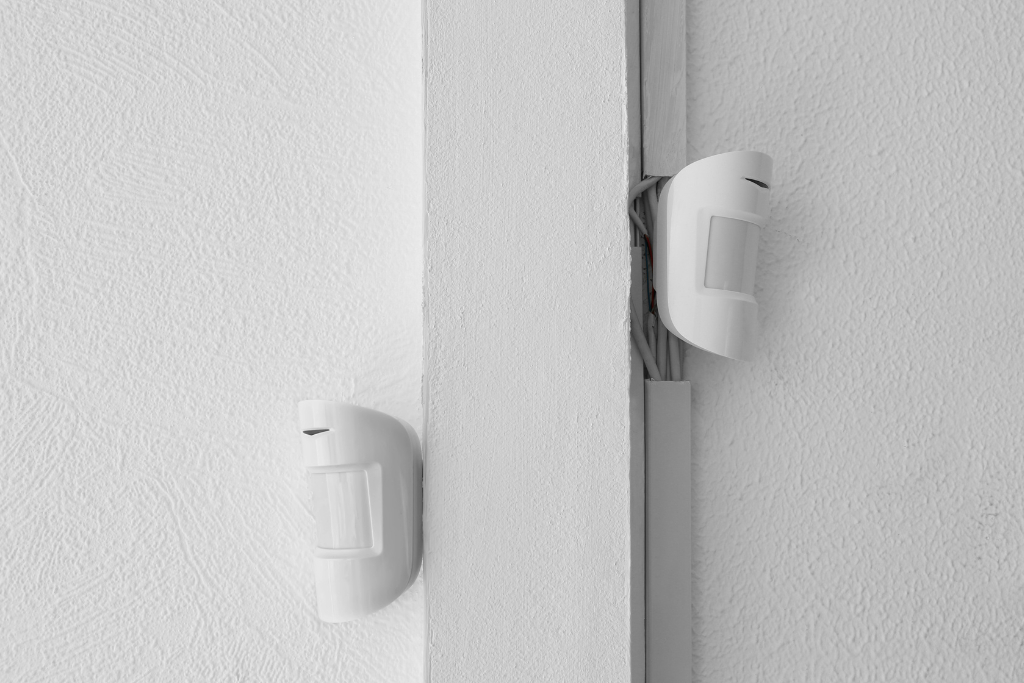
One of the most significant advances is the use of smart sensors. These devices can detect water leaks, smoke, carbon monoxide, temperature fluctuations, and even rodent activity. By sending instant alerts, they help prevent costly damage and ensure tenant safety. For a deeper dive into the benefits and practical tips, see smart sensors rental management tips.
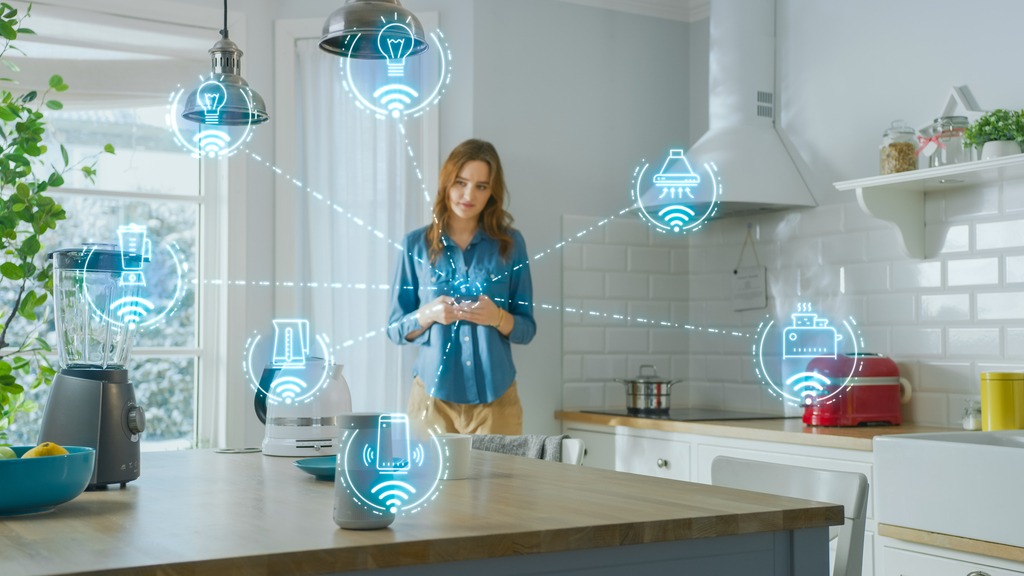
Choosing the right sensor technology can be challenging, but resources like this guide to selecting smart sensors can help landlords make informed decisions based on property needs and budget.
Automated Access Control and Security
Smart locks and video doorbells are now standard in many modern rentals. These systems allow for keyless entry, temporary access codes for guests or maintenance, and real-time monitoring of entrances. Automation in security not only protects the property but also provides peace of mind for tenants and owners alike.
Integration with property management platforms means that access can be managed remotely, and logs can be reviewed for added transparency. For hosts in the short-term rental market, automated access is a game-changer, reducing friction during guest check-in and check-out.
Energy Management and Sustainability
Automated thermostats, lighting, and energy monitoring systems help reduce utility costs and environmental impact. These technologies can adjust settings based on occupancy or time of day, ensuring optimal comfort without unnecessary waste. Many tenants now expect these features as part of a modern rental, and properties that offer them often stand out in competitive markets.
For those managing multiple units, centralized dashboards make it easy to monitor and control energy usage across all properties, further streamlining operations.
Benefits for Landlords and Tenants
Embracing the latest rental property automation trends brings tangible benefits to both property owners and residents. Here are some of the most significant advantages:
- Reduced Operational Costs: Automation minimizes manual tasks, reduces errors, and helps prevent expensive repairs through early detection.
- Increased Property Value: Smart features are attractive to tech-savvy renters and can justify higher rental rates.
- Better Compliance: Automated record-keeping and alerts help landlords stay on top of safety and legal requirements.
- Enhanced Tenant Satisfaction: Quick responses to maintenance requests and improved amenities lead to happier, longer-term tenants.
For more on how smart technology can benefit both hosts and guests, see the article on benefits of smart sensors for Airbnb.
Challenges and Considerations in Adopting Automation
While the advantages are clear, there are also challenges to consider when implementing automation in rental properties:
- Upfront Investment: Initial costs for devices and integration can be significant, though many solutions offer long-term savings.
- Privacy Concerns: Tenants may have reservations about surveillance and data collection. Clear communication and privacy policies are essential.
- Technical Complexity: Not all landlords are comfortable with new technology. Choosing user-friendly systems and reliable support is key.
- Maintenance and Upgrades: Devices require regular updates and occasional servicing to remain effective and secure.
Landlords should assess their properties and tenant needs before investing, and consider starting with a few high-impact devices before scaling up.
What to Look for When Choosing Automation Solutions
With so many options available, selecting the right automation tools can feel overwhelming. Here are some factors to consider:
- Compatibility: Ensure devices work with existing systems and can be integrated into a central platform.
- Scalability: Choose solutions that can grow with your portfolio, whether you manage one unit or dozens.
- Reliability: Opt for reputable brands and devices with strong customer support and positive reviews.
- Ease of Use: Both landlords and tenants should find the system intuitive and easy to operate.
- Security: Prioritize devices with robust encryption and regular software updates to protect sensitive data.
For landlords new to automation, starting with essential devices like smart locks and leak detectors can provide immediate value and a foundation for future upgrades. For more insights into the landlord’s perspective, see why use smart sensors in rentals.
FAQ: Common Questions About Property Automation
How do automated systems improve rental property management?
Automation streamlines tasks such as rent collection, maintenance scheduling, and security monitoring. This reduces manual workload, minimizes errors, and allows landlords to respond quickly to issues, ultimately saving time and money.
Are smart devices difficult to install in existing rental units?
Most modern smart devices are designed for easy installation and can often be retrofitted into existing properties without major renovations. Wireless options are especially convenient for rentals, and many systems offer step-by-step setup guides.
What are the privacy implications for tenants?
While automation can involve data collection and monitoring, it’s important to use devices that respect tenant privacy and to communicate clearly about what is being monitored. Landlords should always comply with local laws and provide transparency about data usage.
Can automation help reduce energy costs?
Yes, automated thermostats, lighting, and energy monitoring systems can significantly lower utility bills by optimizing usage based on occupancy and schedules. This not only saves money but also supports sustainability efforts.
Where can I learn more about integrating IoT in rental properties?
For a comprehensive overview of integrating smart devices and sensors, explore the article on IoT in hospitality rentals for practical examples and best practices.