
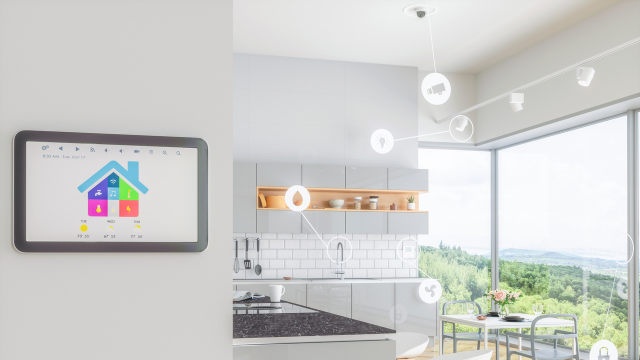

Smart property management systems are transforming how landlords, property managers, and short-term rental hosts oversee their assets. By integrating Internet of Things (IoT) sensors, these platforms enable real-time monitoring, automation, and data-driven decision-making. The result is improved efficiency, better tenant experiences, and enhanced property protection. In this article, we’ll explore how IoT sensors are reshaping property management, the benefits of adopting these technologies, and practical steps for integrating them into your operations.
For those managing rentals or hospitality properties, understanding the potential of IoT-driven solutions is crucial. These technologies not only streamline daily tasks but also offer proactive maintenance, energy savings, and increased security. If you’re interested in learning more about the broader impact of connected devices in hospitality, check out our guide on iot in hospitality rentals.
How IoT Sensors Power Modern Property Management
The integration of IoT sensors into property management platforms is a game-changer. These small, connected devices collect and transmit data about various aspects of a property, from temperature and humidity to motion and occupancy. When combined with cloud-based management dashboards, IoT sensors enable property managers to monitor multiple units remotely and respond quickly to issues.
Some common types of IoT sensors used in real estate management include:
- Environmental sensors (temperature, humidity, air quality)
- Motion and occupancy sensors for security and energy management
- Leak and water sensors to detect plumbing issues early
- Smoke and CO detectors for safety compliance
- Smart locks and access sensors for entry management
By leveraging these devices, property managers can automate alerts, schedule maintenance, and even control systems like HVAC and lighting remotely. This level of automation reduces manual work and minimizes costly emergencies.
Key Benefits of Connected Management Platforms
Adopting smart property management systems with IoT integration offers several advantages:
- Proactive maintenance: Early detection of leaks, temperature anomalies, or unauthorized access helps prevent damage and reduces repair costs.
- Energy efficiency: Automated controls and real-time monitoring optimize heating, cooling, and lighting, leading to lower utility bills.
- Enhanced security: Motion sensors, smart locks, and surveillance integration deter intruders and provide peace of mind for tenants and owners.
- Improved tenant experience: Automated check-ins, responsive maintenance, and comfortable environments boost satisfaction and retention.
- Data-driven insights: Continuous data collection supports better decision-making, from setting rental rates to planning upgrades.
For hosts and landlords, these benefits translate into higher property values, fewer vacancies, and streamlined operations. To dive deeper into the advantages for short-term rentals, see our article on benefits of smart sensors for airbnb.
Integrating IoT Devices Into Your Property Workflow
Implementing a connected management solution involves several steps. Here’s a practical approach for property managers and landlords:
- Assess your needs: Identify pain points such as frequent maintenance issues, high energy costs, or security concerns.
- Choose compatible sensors: Select devices that address your priorities—water leak detectors, smart thermostats, or entry sensors, for example.
- Ensure platform compatibility: Use a management system that integrates with your chosen IoT devices and offers a user-friendly dashboard.
- Install and configure: Work with professionals if needed to set up sensors and connect them to your network securely.
- Automate alerts and actions: Set up rules for notifications, maintenance scheduling, or automated system adjustments based on sensor data.
- Monitor and optimize: Use collected data to refine your processes, reduce costs, and improve tenant satisfaction.
For more actionable advice on leveraging connected technology for proactive hosting, see our resource on smart sensors rental management tips.
Real-World Applications and Use Cases
Smart property management systems are being adopted across residential, commercial, and hospitality sectors. Here are a few practical examples:
- Short-term rentals: Automated check-in/out, noise monitoring, and occupancy detection help hosts manage guest turnover and prevent unauthorized parties.
- Multi-family buildings: Centralized dashboards allow managers to oversee dozens of units, receive instant alerts, and coordinate maintenance efficiently.
- Commercial properties: Energy monitoring and predictive maintenance reduce operational costs and extend equipment lifespan.
- Vacation homes: Remote monitoring ensures properties remain secure and well-maintained between guest stays.
For a look at how these trends are shaping the future of rentals, visit our post on the future of smart rentals iot.
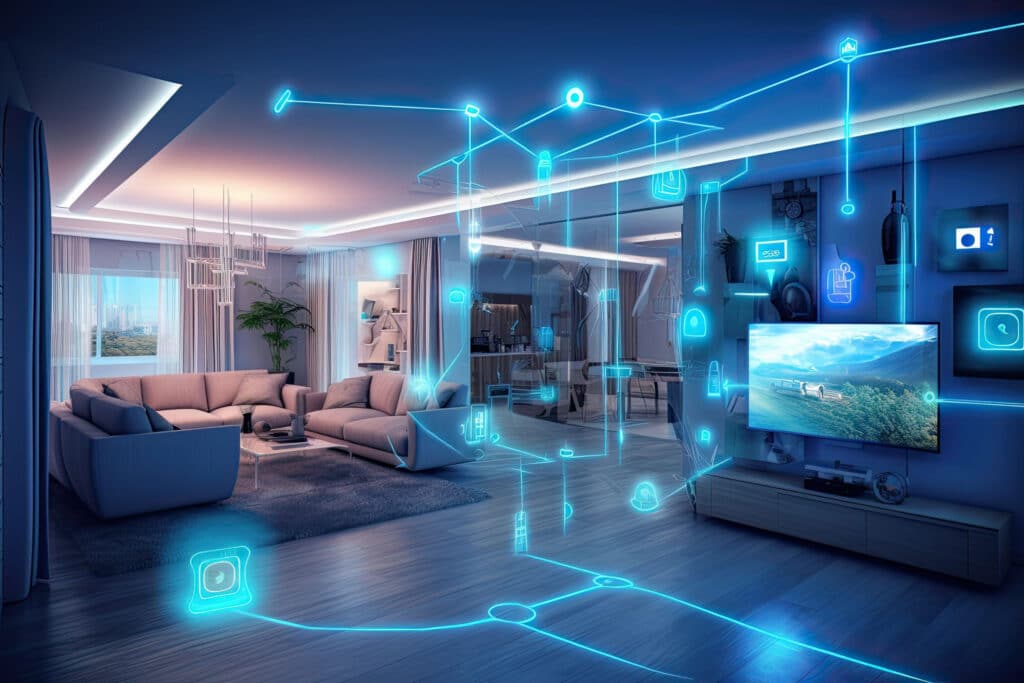
Challenges and Considerations When Adopting IoT Solutions
While the benefits are substantial, integrating IoT sensors into property management is not without challenges. Here are some key considerations:
- Privacy and data security: Safeguarding tenant and property data is essential. Choose platforms with robust encryption and clear privacy policies.
- Device interoperability: Ensure your chosen sensors and management platform are compatible and can communicate seamlessly.
- Upfront investment: While costs have decreased, initial setup and device purchases require budgeting. However, long-term savings often outweigh these expenses.
- Maintenance and updates: Regularly update firmware and replace batteries to keep your system running smoothly.
For a deeper dive into why landlords are embracing these technologies, see our article on why use smart sensors in rentals.
For further reading on how sensors are shaping the future of connected spaces, IBM’s overview of smart home sensors and IoT offers valuable insights into the broader landscape.
Frequently Asked Questions
What are the most important IoT sensors for property management?
Key sensors include leak detectors, smoke and CO alarms, smart thermostats, motion sensors, and smart locks. These devices help automate maintenance, improve safety, and optimize energy use.
How do smart management systems improve tenant satisfaction?
By automating routine tasks, providing quick responses to maintenance issues, and ensuring comfortable living conditions, connected management platforms create a more seamless and enjoyable experience for tenants and guests.
Are IoT-based management platforms secure?
Most reputable systems use strong encryption and regular updates to protect data. It’s important to choose trusted vendors and follow best practices for device security and privacy.
Conclusion
The integration of IoT sensors into property management is rapidly becoming the industry standard. These technologies empower managers and owners to operate more efficiently, reduce risks, and deliver better experiences for tenants and guests. By taking a strategic approach to adoption and staying informed about the latest trends, property professionals can unlock significant value and future-proof their investments.