
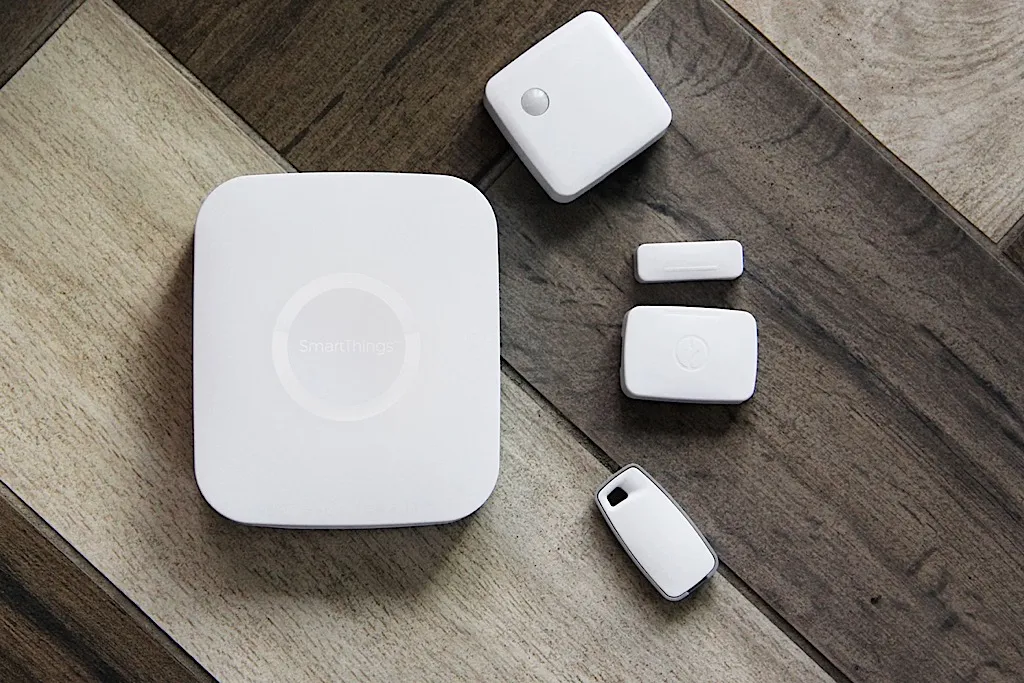

The hospitality industry is evolving rapidly, with technology playing a central role in shaping how guests interact with rental properties. IoT in hospitality rentals is transforming short-term stays, vacation homes, and serviced apartments by introducing smart devices that enhance comfort, security, and convenience. For property owners and managers, integrating connected technology is no longer a luxury—it’s becoming a key differentiator that can boost guest satisfaction and streamline operations.
From smart locks to automated thermostats and intelligent sensors, connected devices are redefining what it means to offer a modern, memorable stay. As more travelers expect seamless digital experiences, understanding how to leverage these tools is essential for staying competitive. If you’re interested in the broader landscape of smart technology for rentals, you might find insights in smart home trends vacation rentals, which explores what guests are looking for in today’s market.
How Connected Devices Are Transforming Guest Stays
The adoption of IoT in hospitality rentals is making it possible to deliver highly personalized experiences. Guests can now control lighting, temperature, and entertainment systems from their smartphones or voice assistants, creating a home-like environment tailored to their preferences. Smart locks enable keyless entry, allowing for flexible check-in and improved security, while property managers can monitor access remotely.
Other innovations include automated check-in processes, real-time maintenance alerts, and energy-efficient systems that adjust based on occupancy. These features not only delight guests but also help hosts reduce costs and minimize manual intervention. For those managing multiple properties, IoT solutions can centralize control and provide valuable data on usage patterns, enabling smarter decision-making.
Key Benefits of IoT for Rental Hosts and Guests
Integrating smart technology into rental properties offers a range of advantages for both hosts and visitors. Here are some of the most impactful benefits:
- Enhanced Security: Smart locks, cameras, and motion sensors help protect guests and property, providing peace of mind for everyone involved.
- Energy Efficiency: Automated thermostats and lighting systems reduce energy consumption by adjusting settings based on occupancy and guest preferences.
- Streamlined Operations: Remote monitoring and control simplify tasks such as check-in, check-out, and maintenance, saving time for hosts and property managers.
- Personalized Experiences: Guests can customize their environment, from adjusting room temperature to setting mood lighting, leading to higher satisfaction and positive reviews.
- Proactive Maintenance: Sensors can detect issues like water leaks or smoke, enabling quick responses that prevent costly damage and ensure guest safety.
For a deeper dive into the operational advantages, the article why use smart sensors in rentals highlights how landlords benefit from adopting these technologies.
Popular IoT Solutions for Modern Hospitality Rentals
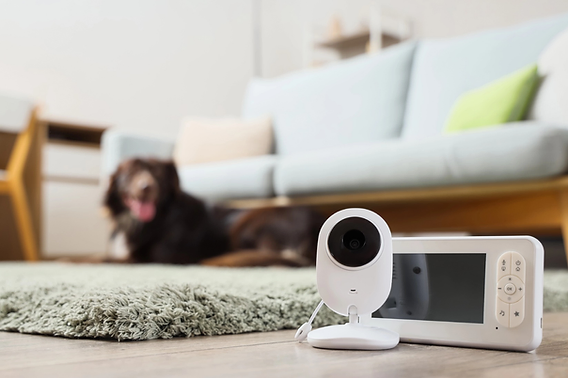
There is a wide variety of smart devices available for property owners looking to upgrade their rentals. Some of the most common and effective IoT solutions include:
- Smart Locks: Allow for secure, keyless entry and remote access management.
- Thermostats: Enable guests to control heating and cooling, while optimizing energy use when the property is vacant.
- Leak and Smoke Detectors: Provide instant alerts in case of emergencies, helping prevent damage and ensuring guest safety.
- Noise and Occupancy Sensors: Monitor activity to prevent unauthorized parties and ensure compliance with house rules.
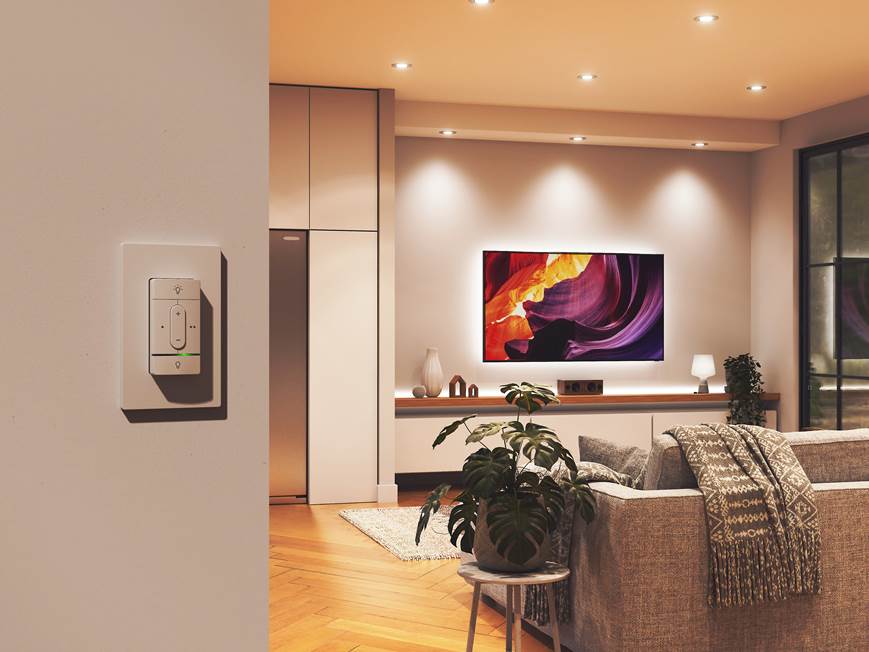
- Lighting Controls: Offer customizable ambiance and energy savings through automation and remote access.
For those interested in the technical side of how these devices work together, this guide on smart sensors and home automation provides a helpful overview.
Smart sensors are particularly valuable in short-term rentals, as they can automate routine tasks and alert hosts to potential issues before they escalate. For more practical advice, smart sensors rental management tips offers strategies for proactive hosting.
Challenges and Considerations When Implementing Smart Technology
While the advantages of connected devices are clear, there are important factors to consider when integrating IoT in hospitality rentals. Privacy is a top concern—guests must be informed about any monitoring devices, and hosts should avoid installing cameras in private areas. Data security is also critical, as connected systems can be vulnerable to hacking if not properly secured.
Compatibility between devices and platforms can present challenges, especially when managing multiple properties with different systems. Ensuring reliable internet connectivity is essential for uninterrupted operation. Hosts should also consider the learning curve for guests who may not be familiar with smart home technology, providing clear instructions for use.
To stay ahead of the curve, property owners can explore future trends and emerging solutions in future of smart rentals iot, which discusses what’s next for the industry.
Best Practices for Maximizing Guest Satisfaction
To get the most out of smart technology in hospitality rentals, consider the following best practices:
- Choose User-Friendly Devices: Select products with intuitive interfaces and clear instructions to ensure guests can easily control their environment.
- Prioritize Security: Regularly update device firmware and use strong passwords to protect guest data and property systems.
- Communicate Clearly: Inform guests about available smart features and provide guides or tutorials for common tasks.
- Monitor and Maintain: Use remote monitoring to address issues promptly and schedule regular maintenance to keep devices functioning smoothly.
- Respect Privacy: Be transparent about any monitoring devices and limit their use to public or exterior areas.
Implementing these strategies helps create a welcoming, secure, and memorable stay for guests, while also simplifying management for hosts.
FAQ
What Are the Most Popular IoT Devices Used in Hospitality Rentals?
Common devices include smart locks for keyless entry, automated thermostats for climate control, leak and smoke detectors for safety, and smart lighting systems. Noise and occupancy sensors are also becoming standard for ensuring compliance with house rules and enhancing security.
How Can IoT Improve Security in Short-Term Rentals?
Connected technology enables real-time monitoring and alerts for unauthorized access, smoke, water leaks, or excessive noise. Smart locks and cameras (in public areas) help protect both guests and property, while allowing hosts to manage access remotely.
Are There Any Privacy Concerns with IoT in Hospitality Rentals?
Yes, privacy is a key consideration. Hosts should avoid placing cameras or audio devices in private areas and must inform guests about any monitoring devices. Data security measures, such as encryption and regular updates, are also essential to protect guest information.
Conclusion
The integration of IoT in hospitality rentals is reshaping the guest experience, offering new levels of comfort, convenience, and security. By adopting smart devices and following best practices, property owners can meet rising guest expectations and operate more efficiently. As technology continues to advance, staying informed and adaptable will be crucial for success in the competitive hospitality market.