
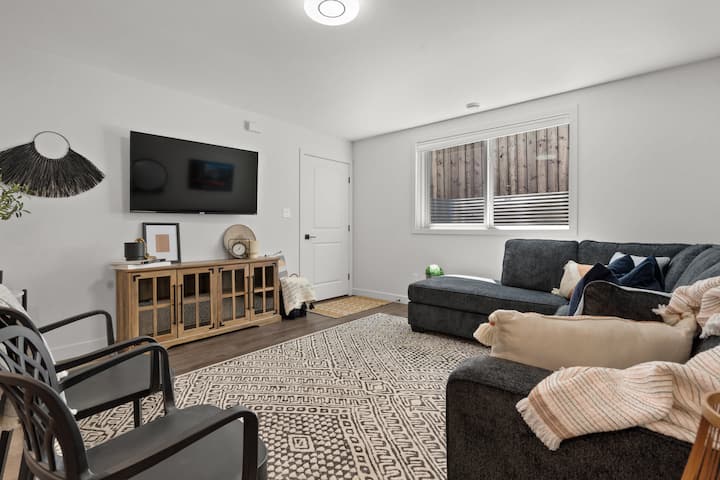

Being a landlord for furnished properties can be a lucrative venture. Yet, it’s essential to understand the legal requirements that come with this responsibility. One of the first questions you might ask is, ‘What licenses do furnished landlords need?’ This article aims to answer that question and provide a comprehensive guide for rental owners.
Understanding the Basics of Renting Furnished Properties
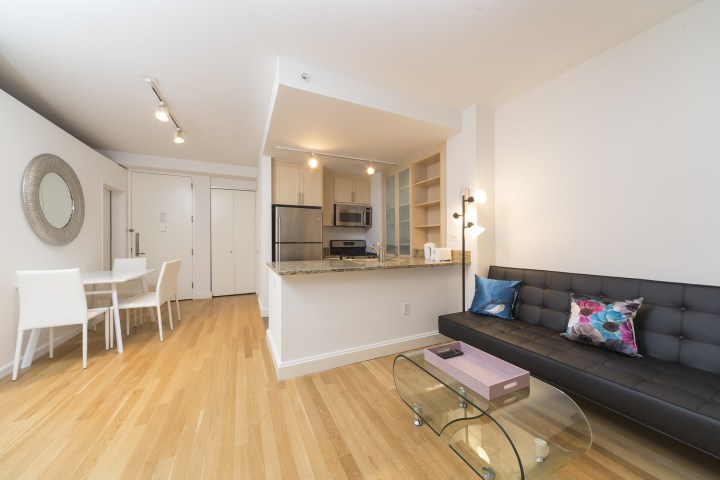
Before delving into the specifics of licenses, it’s important to grasp the basics of renting furnished properties. Furnished rentals offer convenience to tenants, making them a popular choice. However, this also means that landlords need to ensure that the furnishings meet certain standards and regulations.
Why Do Furnished Landlords Need Licenses?
Licenses are crucial for ensuring that your rental property complies with local laws and regulations. They help protect both the landlord and the tenant, ensuring safety and legality in all rental transactions.
Types of Licenses Required
1. Business License
A business license is often the first requirement for any landlord. It allows you to legally operate your rental business within a specific jurisdiction.
2. Rental License
In many areas, a rental license is mandatory. This license ensures your property meets local housing codes and regulations. It often involves an inspection process.
3. Short-Term Rental Permit
If you plan to rent your furnished property on a short-term basis, such as through platforms like Airbnb, you may need a specific short-term rental permit.
Additional Requirements for Furnished Rentals
1. Fire and Safety Compliance
Furnished rentals must comply with fire and safety regulations. This often involves having smoke detectors, fire extinguishers, and clear emergency exit routes.
2. Health and Safety Inspections
Your property may require regular health and safety inspections to ensure the living conditions are up to standard.
3. Insurance Requirements
Having the right insurance is crucial. Landlord insurance can cover damage to your property and liability claims.
Steps to Obtain the Necessary Licenses
1. Research Local Requirements
Licensing requirements vary by location. It’s essential to research what your local jurisdiction requires for furnished rentals.
2. Prepare Your Property
Ensure that your property meets all necessary codes and standards. This might involve renovations or upgrades.
3. Submit Applications
Complete and submit all necessary applications for the licenses you need. Be prepared to pay any associated fees.
4. Schedule Inspections
Many licenses require property inspections. Schedule these in advance to avoid delays.
5. Maintain Compliance
Once licensed, it’s important to maintain compliance with all regulations. This may involve regular renewals and inspections.
Common Challenges and How to Overcome Them
Obtaining and maintaining the necessary licenses can be challenging for new landlords. However, by staying informed and organized, you can navigate these challenges effectively.
Benefits of Being a Licensed Furnished Landlord
Being licensed enhances your credibility and can attract more tenants. It also protects you legally and financially.
Conclusion
Understanding what licenses do furnished landlords need is crucial for anyone looking to enter the rental market. By following the guidelines outlined in this article, you can ensure your rental business operates legally and successfully.
FAQs
1. Do all landlords need a business license?
Not necessarily. It depends on local regulations. However, having one can provide benefits such as tax advantages.
2. How often do I need to renew my rental license?
Renewal periods vary by location. Check with your local authority for specific timelines.
3. What happens if I rent without the necessary licenses?
Renting without the required licenses can result in fines, legal action, and the closure of your rental business.
For more information on vacation rentals, you can visit this comprehensive guide.
To understand more about your responsibilities as a landlord, you might find this article on landlord responsibilities helpful.
For tips on enhancing your rental listings, check out this resource on retargeting ads.
Ensure your property is secure with these security tips for furnished homes.