

Managing rental properties efficiently is a top priority for hosts and property managers. With the rise of smart sensor automation rentals, hosts can now streamline daily operations, enhance guest experiences, and protect their investments with minimal manual intervention. From automating climate control to monitoring security and ensuring safety, these intelligent systems are transforming the way rentals are managed.
Adopting automated sensors is not just about convenience—it’s about gaining real-time insights, reducing operational costs, and providing peace of mind for both hosts and guests. Whether you oversee a single vacation home or a portfolio of rental units, integrating smart technology can help you stay ahead in a competitive market. For those expanding their operations, exploring scalable rental sensor systems can be a strategic move to future-proof your business.
How Automated Sensors Transform Rental Management
Integrating smart sensor automation rentals into your property management strategy brings a host of benefits. These systems go beyond simple remote control—they enable proactive management, instant alerts, and seamless guest experiences. Here are some key ways automated sensors are changing the rental landscape:
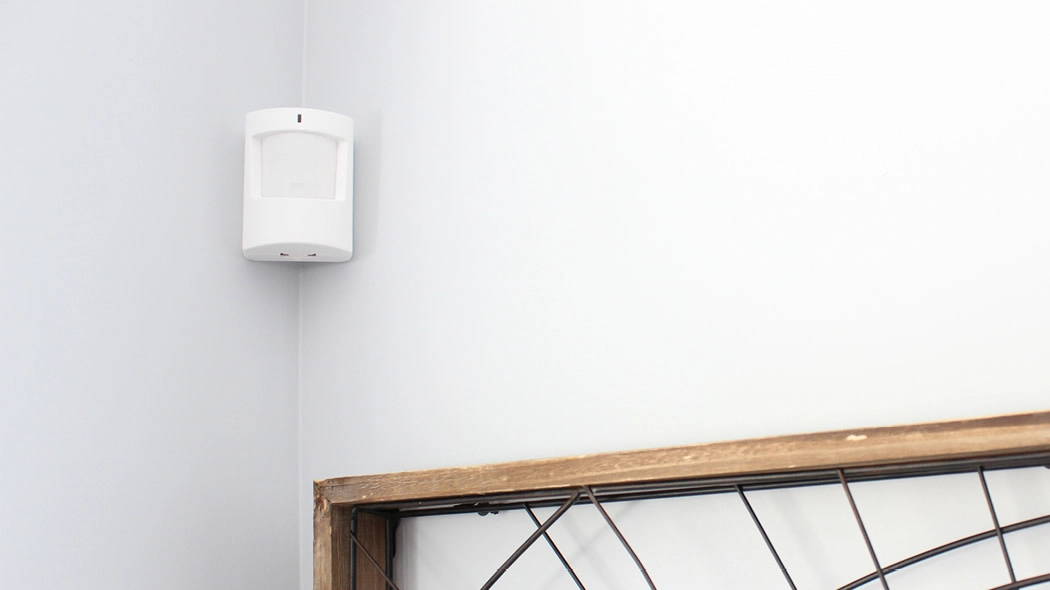
- Security Monitoring: Motion detectors, door/window sensors, and surveillance integrations help prevent unauthorized access and alert you to unusual activity.
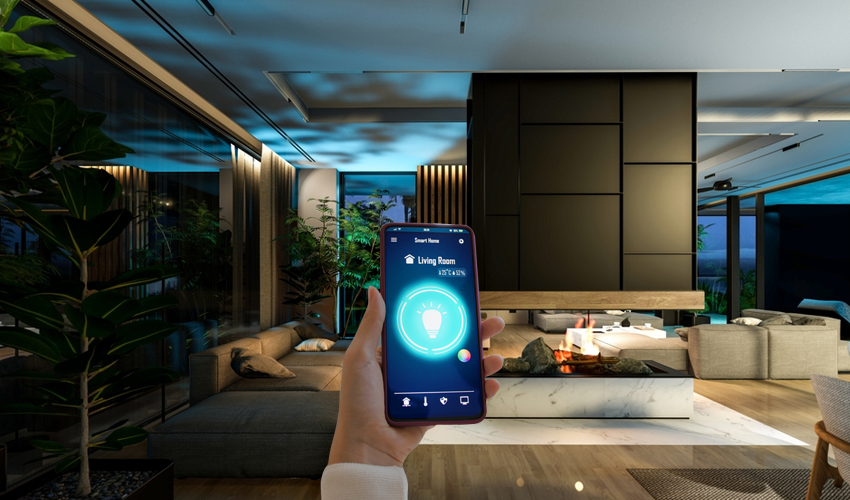
- Energy Efficiency: Smart thermostats and occupancy sensors adjust heating, cooling, and lighting based on guest presence, reducing utility costs.
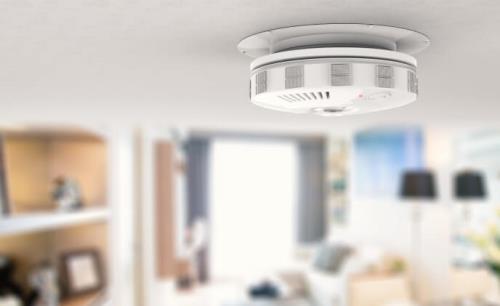
- Safety Assurance: Smoke, carbon monoxide, and water leak detectors provide early warnings, helping prevent costly damages and ensuring guest safety.
- Operational Automation: Automate check-ins, check-outs, and cleaning schedules by integrating sensors with property management systems.
For hosts managing multiple units, leveraging property manager smart sensors can centralize control and simplify oversight across different locations.
Types of Sensors Every Host Should Consider
Choosing the right mix of sensors depends on your property type, guest profile, and management goals. Here are some of the most impactful sensor categories for rental properties:
Motion and Entry Sensors
These devices detect movement and monitor entry points. They can trigger alerts if unauthorized access is detected, helping you respond quickly to potential security breaches. When integrated with smart locks, they can also automate guest check-in and check-out processes.
Environmental and Safety Sensors
Smoke detectors, carbon monoxide alarms, and water leak sensors are essential for guest safety and property protection. Advanced models can send instant notifications to your phone or property management dashboard, allowing for rapid response to emergencies.
Climate and Energy Sensors
Smart thermostats and occupancy sensors optimize energy usage by adjusting settings based on guest presence. This not only lowers utility bills but also supports sustainability initiatives—a growing concern for eco-conscious travelers.
Key Advantages of Smart Sensor Automation for Hosts
Embracing automation in rental properties delivers tangible benefits that go beyond simple convenience. Here are some of the most significant advantages:
- Remote Monitoring: Keep tabs on your property from anywhere, reducing the need for on-site visits and manual inspections.
- Instant Notifications: Receive real-time alerts for security breaches, environmental hazards, or maintenance issues, allowing for immediate action.
- Enhanced Guest Experience: Automated systems can adjust lighting, temperature, and access based on guest preferences, creating a personalized stay.
- Cost Savings: Reduce energy waste and minimize damage-related expenses through proactive monitoring and automation.
- Scalability: Easily expand your system as your rental portfolio grows, integrating new sensors and features as needed.
For hosts seeking more robust notification systems, integrating a smart alert system for hosts can further streamline property oversight and guest communications.
Integrating Smart Sensors with Other Rental Technologies
Smart sensor automation works best when combined with other property management technologies. By integrating sensors with access control systems, cleaning schedules, and guest communication platforms, hosts can create a seamless and efficient workflow. For example, pairing sensors with Airbnb smart access control enables remote management of guest permissions and entry, reducing the risk of unauthorized access and simplifying turnover between stays.
Additionally, using rental property access sensors can provide an added layer of security and transparency for both hosts and guests, ensuring that only authorized individuals can enter the property at designated times.
Best Practices for Implementing Sensor Automation in Rentals
To maximize the value of your investment in automation, consider the following best practices:
- Assess Your Needs: Identify the most critical areas for automation based on property type, location, and guest demographics.
- Choose Reliable Devices: Opt for trusted brands and devices with proven track records for accuracy, durability, and integration capabilities.
- Prioritize Guest Privacy: Clearly communicate to guests what sensors are in use and how their data is protected. Avoid placing cameras or motion sensors in private areas.
- Integrate with Existing Systems: Ensure your sensors can communicate with your property management software, smart locks, and other automation tools.
- Regularly Maintain and Test: Schedule routine checks to ensure all devices are functioning correctly and replace batteries or update firmware as needed.
For a deeper dive into automation strategies, consider reviewing expert insights on smart sensor integration to stay updated on the latest trends and best practices.
Common Challenges and How to Overcome Them
While the benefits of automation are clear, some hosts may encounter challenges when implementing these systems. Here are a few common issues and tips for addressing them:
- Compatibility Issues: Not all devices work seamlessly together. Research compatibility before purchasing and consider using a central hub or platform that supports multiple brands.
- Connectivity Problems: Reliable Wi-Fi is essential for most smart sensors. Invest in strong, property-wide internet coverage and backup solutions where possible.
- Guest Concerns: Some guests may be wary of sensors, especially cameras. Be transparent about what devices are in use and focus on non-intrusive sensors for privacy-sensitive areas.
- Initial Costs: While there is an upfront investment, the long-term savings and operational efficiencies often outweigh the initial expenses.
FAQ
What types of smart sensors are most important for rental properties?
Essential sensors include motion detectors, door/window sensors, smoke and carbon monoxide alarms, water leak detectors, and smart thermostats. These devices help protect your property, ensure guest safety, and optimize energy usage.
How can automation improve guest experiences in rentals?
Automated systems can personalize guest stays by adjusting lighting, temperature, and access based on preferences or schedules. They also provide peace of mind by enhancing security and safety, leading to better reviews and repeat bookings.
Are smart sensors difficult to install and manage?
Most modern sensors are designed for easy installation and user-friendly management via mobile apps or web dashboards. Many systems offer plug-and-play functionality, and professional installation is available for more complex setups.