


Being a landlord is an attractive investment opportunity, but when it comes to furnished properties, the dynamics are slightly different. In this article, we delve into the intricacies of profit margins for furnished landlords. Understanding these margins can significantly impact your rental income and overall investment success. Let’s take a closer look at how furnishing can enhance your rental property profits.
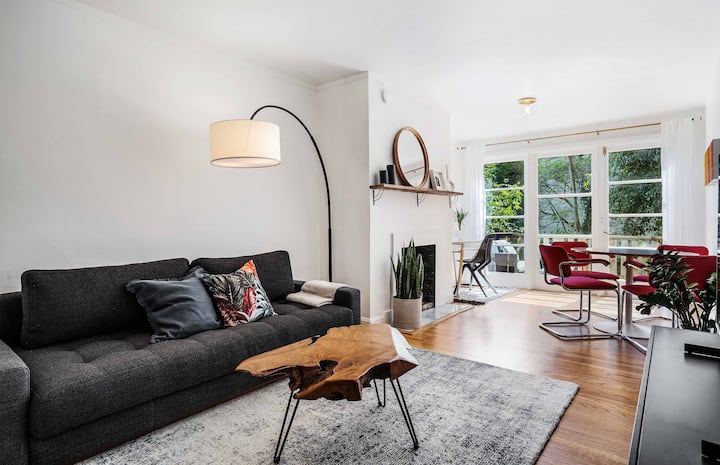
Understanding Profit Margins in Real Estate
In real estate, profit margins refer to the difference between the income generated from a property and the expenses incurred in owning and maintaining it. For furnished landlords, these margins can be influenced by factors like furnishing costs, rental pricing strategies, and tenant preferences.
What Influences Profit Margins?
Several factors influence the profit margins for furnished landlords. These include the initial cost of purchasing or leasing furnishings, ongoing maintenance expenses, rental demand, and pricing strategies. It’s essential to consider each of these factors to ensure your investment yields the desired returns.
The Advantages of Furnishing Your Rental Property
Furnishing your rental property can provide several advantages. First, it attracts a wider range of tenants, particularly those seeking short-term leases or temporary accommodations. Additionally, furnished properties often command higher rental rates, boosting your income potential.
Higher Rental Rates
One of the primary benefits of furnishing a rental property is the ability to charge higher rental rates. Tenants are often willing to pay a premium for the convenience and comfort of a fully furnished home. This premium can significantly enhance your profit margins.
Increased Tenant Demand
Furnished properties are in high demand among certain tenant demographics, such as business travelers, expatriates, and students. This increased demand can lead to shorter vacancy periods and more consistent rental income.
Strategies to Maximize Profit Margins
To maximize your profit margins as a furnished landlord, consider implementing the following strategies:
Cost-Effective Furnishing
Invest in quality furnishings that offer durability and style without breaking the bank. Consider purchasing second-hand or wholesale furniture to reduce initial costs while maintaining an attractive property.
Smart Pricing Strategies
Adopt dynamic pricing strategies based on seasonal demand and local market conditions. This approach ensures you’re maximizing rental income while remaining competitive. For more insights, check out this guide on seasonal pricing.
Regular Maintenance and Upkeep
Regular maintenance is crucial to preserving the quality of your furnishings and property overall. Well-maintained properties attract better tenants and reduce the likelihood of costly repairs.
Potential Challenges and Solutions
While furnishing your rental property offers numerous benefits, it also presents certain challenges. Let’s explore potential obstacles and solutions to help you overcome them.
Initial Investment Costs
The upfront costs of furnishing a property can be substantial. Consider financing options or spreading out purchases over time to manage these expenses effectively.
Wear and Tear
Furnished rentals may experience more wear and tear due to frequent tenant turnover. Implementing a robust maintenance schedule and selecting durable materials can mitigate this issue.
Case Studies: Successful Furnished Landlords
Learning from successful furnished landlords can provide valuable insights into effective strategies and practices. Let’s explore a few case studies to understand what works in the industry.
Case Study 1: Urban Loft Rentals
An urban loft rental company maximized its profit margins by investing in modern, minimalist furnishings that appealed to young professionals. By maintaining competitive pricing and a strong online presence, they achieved high occupancy rates and substantial returns.
Case Study 2: Suburban Family Homes
A landlord specializing in suburban family homes furnished properties with comfortable, family-friendly amenities. By targeting relocating families, they achieved stable, long-term tenancies and consistent rental income.
Legal Considerations for Furnished Landlords
As a furnished landlord, it’s essential to be aware of legal considerations that may impact your rental operations. Understanding these factors can help you avoid potential liabilities and ensure compliance with local regulations.
Lease Agreements and Inventory Lists
Include detailed inventory lists in your lease agreements to document the condition and value of furnishings. This practice protects both landlord and tenant interests and provides clarity in case of disputes.
Insurance Coverage
Ensure you have adequate insurance coverage for furnishings and the property itself. This coverage can mitigate financial losses due to damage or theft. For more information, explore this guide on furnishing a rental.
Conclusion: Maximizing Profit Margins for Furnished Landlords
In conclusion, profit margins for furnished landlords can be significantly enhanced through strategic planning and execution. By understanding the advantages, challenges, and best practices associated with furnished rentals, you can achieve optimal returns on your investment. Whether you’re a seasoned landlord or new to the industry, adopting these strategies will set you on the path to success in the competitive rental market.

FAQs
What are the benefits of furnishing a rental property?
Furnishing a rental property attracts a broader range of tenants, allows for higher rental rates, and can lead to shorter vacancy periods.
How can landlords manage the initial costs of furnishing?
Landlords can manage initial costs by purchasing second-hand or wholesale furniture, financing options, or spreading out purchases over time.
Are there legal considerations for furnished landlords?
Yes, furnished landlords should consider including inventory lists in lease agreements and ensuring adequate insurance coverage for furnishings and the property.