
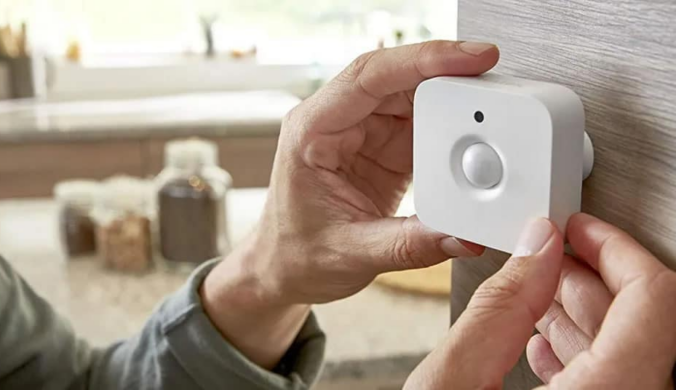

Property owners and managers are increasingly turning to privacy safe rental sensors as a way to monitor their rental spaces without compromising guest privacy. These innovative devices offer a practical solution for those seeking to protect their investments, ensure safety, and maintain trust with tenants or short-term guests. Unlike traditional surveillance systems, these sensors gather essential data—such as occupancy, temperature, humidity, or smoke detection—without recording images or audio, making them ideal for privacy-conscious environments.
As the demand for smart property management grows, understanding how to choose and implement these privacy-first monitoring solutions is crucial. Whether you manage a vacation rental, Airbnb, or long-term lease, integrating non-intrusive sensors can help you stay compliant with privacy laws and meet guest expectations. For a broader overview of available technologies, the rental home smart tech guide provides in-depth comparisons and recommendations for modern landlords.
Why Choose Non-Camera Monitoring Solutions?
Traditional cameras can create discomfort for guests and may even violate local privacy regulations. In contrast, privacy safe rental sensors offer a respectful way to monitor property conditions and activity without capturing personal details. These devices typically measure:
- Motion or occupancy (without visual identification)
- Environmental factors like temperature, humidity, and air quality
- Sound levels (decibel monitoring, not audio recording)
- Smoke, CO, or water leaks
By focusing on data rather than imagery, these sensors support responsible property management while maintaining a positive guest experience. This approach is especially important for short-term rentals, where guest trust is paramount.
Key Benefits of Privacy-Focused Sensors for Rentals
Integrating privacy safe rental sensors into your property brings several advantages:
- Guest Privacy: No images or audio are captured, reducing concerns about surveillance.
- Regulatory Compliance: Many regions restrict the use of cameras in private spaces; sensors help you stay within legal boundaries.
- Real-Time Alerts: Receive instant notifications for smoke, water leaks, or abnormal occupancy, allowing for quick action.
- Maintenance Optimization: Monitor environmental conditions to prevent mold, damage, or excessive utility usage.
- Peace of Mind: Both owners and guests benefit from a secure, non-intrusive monitoring system.
For property owners seeking to enhance safety and efficiency, these devices offer a balanced approach. If you’re interested in a comprehensive system, the airbnb property monitoring system article explores integrated solutions for short-term rentals.
Types of Sensors That Respect Guest Privacy
There are several categories of privacy-first sensors suitable for rental properties:
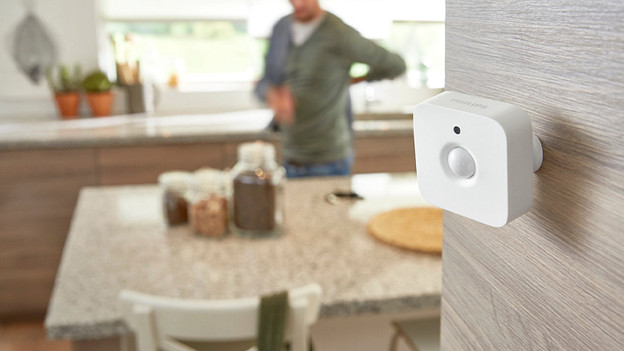
- Occupancy Sensors: Detect presence using infrared or ultrasonic technology, but do not record images.
- Environmental Sensors: Monitor temperature, humidity, and air quality to maintain a healthy living environment.
- Noise Monitors: Measure sound levels in decibels, alerting you to potential disturbances without recording conversations.
- Smoke and CO Detectors: Essential for safety, these alert you to fire or gas risks without invading privacy.
- Water Leak Detectors: Warn of leaks or flooding, helping prevent costly damage.
For landlords managing multiple properties, using a combination of these devices can provide robust coverage while ensuring compliance with privacy standards. If you want to learn more about remote monitoring, the smart sensors for vacation homes guide offers practical tips for remote property management.
How to Select the Right Devices for Your Property
Choosing the best privacy-respecting sensors depends on your property type, location, and specific needs. Consider the following factors:
- Purpose: Identify whether you need to monitor occupancy, environmental conditions, or safety hazards.
- Connectivity: Ensure the devices are compatible with your existing smart home system or can operate independently.
- Data Handling: Opt for sensors that store data locally or use encrypted cloud services to protect sensitive information.
- Compliance: Check local laws regarding monitoring and ensure your devices meet all requirements.
- Ease of Use: Look for products with intuitive interfaces and reliable customer support.
For expert recommendations on connected devices, the best iot devices for rental properties article highlights top-rated options for landlords and hosts.
Installation and Best Practices for Privacy-First Monitoring
Proper installation and transparent communication are key to successful implementation. Here are some best practices:
- Placement: Install sensors in common areas, utility rooms, or near entryways—never in bedrooms or bathrooms.
- Disclosure: Clearly inform guests about the presence and purpose of all monitoring devices in your property listing and welcome materials.
- Maintenance: Regularly test and update sensors to ensure accurate performance and compliance.
- Data Security: Use strong passwords and enable encryption where possible to safeguard collected data.
- Integration: Connect sensors to your preferred property management platform for streamlined alerts and reporting.
For a deeper dive into smart monitoring tools, the rental property smart monitoring tools resource covers advanced solutions for modern landlords.

Balancing Security and Privacy in Rental Properties
Finding the right balance between security and privacy is essential for successful property management. By choosing non-camera monitoring solutions, you demonstrate respect for guest boundaries while still protecting your investment. Many modern sensors are designed with privacy in mind, offering robust features without intrusive data collection.
Industry leaders are continually developing new technologies to support this balance. For example, IBM’s overview of smart home sensors highlights the evolution of sensor technology and its role in privacy-centric property management.
Frequently Asked Questions
What types of data do privacy-first rental sensors collect?
These devices typically measure environmental factors such as temperature, humidity, air quality, sound levels (in decibels), motion, and the presence of smoke or water leaks. They do not capture images, audio, or personally identifiable information, ensuring guest privacy is maintained.
Are these sensors legal to use in short-term rentals?
Yes, as long as they do not record images or audio and are disclosed to guests, privacy-safe sensors are generally compliant with most local regulations. Always check your specific regional laws and inform guests about any monitoring devices in your property.
How do I inform guests about the presence of monitoring devices?
Transparency is key. Include details about installed sensors in your property listing, welcome packet, and house rules. Clearly state what is being monitored and reassure guests that no cameras or audio recorders are present.
Can these sensors be integrated with other smart home devices?
Most modern sensors are compatible with popular smart home platforms, allowing you to centralize alerts and automate responses. Check product specifications for integration options with your preferred system.
Conclusion
Adopting privacy safe rental sensors allows property owners to monitor and protect their assets without compromising guest trust or privacy. By selecting the right devices, following best practices, and maintaining open communication, you can create a secure and welcoming environment for all occupants. As technology advances, expect even more sophisticated solutions that prioritize both safety and privacy for rental properties.