


When it comes to managing utilities in furnished leases, there are many considerations that rental owners must take into account. This task involves coordinating and handling various aspects of utilities, including electricity, water, gas, and internet, among others. Understanding how to effectively manage these utilities can lead to a smoother rental process and increased tenant satisfaction. This guide aims to provide rental owners with the knowledge they need to handle utilities in furnished leases effectively.
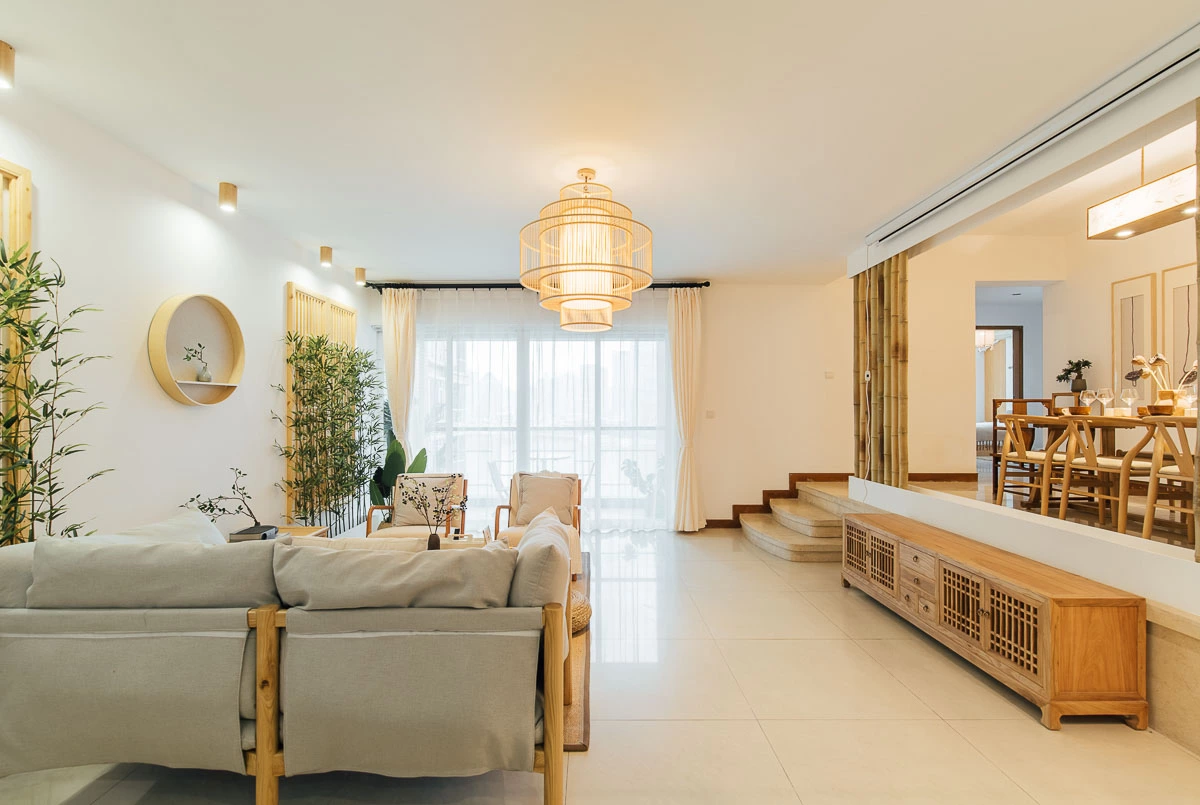
Understanding Furnished Leases
Furnished leases are rental agreements where the property is provided with essential furnishings. This can include furniture, appliances, and sometimes even linens and kitchenware. These leases are attractive to tenants who need a move-in-ready space without the hassle of buying and moving furniture.
What Are Utilities?
Utilities refer to essential services such as electricity, water, gas, sewage, trash collection, and internet services. In furnished leases, the responsibility for these utilities can vary based on the lease agreement.
Who Pays for Utilities?
In furnished leases, the responsibility for utility payments can either fall on the tenant or the landlord. It is crucial to clearly outline who is responsible for paying utilities in the lease agreement to avoid any confusion or disputes.
Pros and Cons of Including Utilities in Rent
Including utilities in the rent can offer convenience for tenants and predictability for landlords. However, it can also lead to higher rent prices and potential misuse of resources.
Benefits for Tenants
For tenants, having utilities included in the rent can simplify their monthly budgeting. It eliminates the need to set up utility accounts and deal with fluctuating bills.
Benefits for Landlords
Landlords can benefit from including utilities by having more control over the propertys utility usage and ensuring bills are paid on time. This arrangement can also make the property more attractive to potential tenants.
Challenges in Managing Utilities
Managing utilities in furnished leases can present several challenges, including fluctuating utility costs, tenant misuse, and the administrative burden of handling multiple utility accounts.
Fluctuating Costs
Utility costs can vary significantly depending on the season, usage, and location. This can make it challenging for landlords to accurately budget for these expenses.
Tenant Misuse
When utilities are included in the rent, tenants may be less mindful of their usage, leading to higher costs for landlords. Implementing usage guidelines can help mitigate this issue.
Strategies for Managing Utilities
Implementing effective strategies for managing utilities can help rental owners reduce costs and enhance tenant satisfaction.
Smart Metering
Using smart meters can provide detailed insights into energy consumption, allowing both landlords and tenants to monitor usage and identify areas for improvement.
Energy-Efficient Appliances
Investing in energy-efficient appliances can significantly reduce utility costs in the long run. These appliances use less energy and water, leading to savings on utility bills.
Clear Communication
Communicating clearly with tenants about utility usage and expectations can help prevent misunderstandings and encourage responsible usage.
Legal Considerations
There are legal implications associated with managing utilities in furnished leases. Rental owners must ensure compliance with local laws and regulations regarding utility billing and disclosure.
Lease Agreement Clauses
Including specific clauses related to utility management in the lease agreement can help protect both landlords and tenants. These clauses should outline who is responsible for paying utilities and any usage limits.
Local Regulations
Rental owners should familiarize themselves with local regulations regarding utility billing and tenant rights. Compliance with these regulations is essential to avoid legal issues.
Technology and Utilities Management
Technology can play a significant role in simplifying the management of utilities in furnished leases.
Utility Management Software
Utility management software can help rental owners track usage, automate billing, and generate reports. This technology can reduce the administrative burden of managing utilities.
Online Payment Systems
Offering online payment options for utility bills can enhance convenience for tenants and streamline the payment process for landlords.
Conclusion
Managing utilities in furnished leases requires careful planning and consideration. By implementing effective strategies and leveraging technology, rental owners can reduce costs, enhance tenant satisfaction, and ensure a smooth rental process. Proper management of utilities can lead to long-term success in the rental business.

FAQ Section
What are the benefits of including utilities in rent?
Including utilities in rent offers convenience for tenants and predictability for landlords. It simplifies the billing process and can make a property more attractive to potential tenants.
How can landlords reduce utility costs?
Landlords can reduce utility costs by investing in energy-efficient appliances, using smart metering technology, and setting clear guidelines for tenant usage.
What legal considerations should landlords be aware of?
Landlords should be aware of local regulations regarding utility billing and tenant rights. Including specific clauses in the lease agreement can help protect both parties.
For more insights on managing furnished rentals, visit guest policies and explore rental comparisons to make informed decisions.