

The rise of smart technology has made it easier than ever to manage your living space from anywhere. With just a smartphone or tablet, you can adjust lighting, control temperature, monitor security, and even automate daily routines. Understanding how to use mobile apps for automation is essential for anyone looking to streamline their home environment, save energy, and enhance convenience.
Whether you’re a homeowner, a short-term rental operator, or simply interested in making your daily life more efficient, integrating mobile applications with your smart devices can transform the way you interact with your home. This article explores the essentials of app-based control, the benefits of automation, and practical steps to get started.
For those managing properties or rentals, understanding the intersection of technology and zoning is also crucial. If you’re interested in optimizing your property for smart automation, you may find the airbnb zoning strategy for investors guide helpful for navigating regulations and maximizing your investment.
Why Mobile Apps Are Central to Smart Home Automation
Mobile applications serve as the command center for most modern smart homes. They allow you to control a wide range of devices—such as thermostats, lights, cameras, and locks—directly from your phone. This centralized control not only adds convenience but also enables you to monitor and adjust your home remotely, providing peace of mind and flexibility.
According to Investopedia’s overview of smart home technology, automation systems are designed to make daily life more efficient and secure. By leveraging mobile apps, you can set schedules, create routines, and receive real-time notifications, all tailored to your lifestyle.
Getting Started: Setting Up Your Smart Devices
Before you can take advantage of how to use mobile apps for automation, you’ll need to set up compatible devices. Most smart home products come with their own dedicated apps, but many also integrate with larger ecosystems such as Google Home, Amazon Alexa, or Apple HomeKit.
- Choose compatible devices: Ensure your smart bulbs, thermostats, cameras, and other gadgets can be controlled via mobile app.
- Install the manufacturer’s app: Download the recommended app from the App Store or Google Play. Common examples include Google Home, SmartThings, and Philips Hue.
- Connect devices to Wi-Fi: Most automation products require a stable Wi-Fi connection for remote access and control.
- Follow setup instructions: Use the app’s guided setup to pair each device with your network and mobile device.
Key Features of Home Automation Apps
Once your devices are connected, mobile apps unlock a range of features that simplify daily management. Here are some of the most valuable capabilities:
- Remote control: Adjust lighting, temperature, and appliances from anywhere with an internet connection.
- Scheduling and routines: Set automated actions based on time of day or your personal habits (e.g., lights turn on at sunset).
- Voice integration: Many apps support voice assistants, allowing hands-free control through Google Assistant, Alexa, or Siri.
- Notifications and alerts: Receive instant updates about security events, energy usage, or device malfunctions.
- Scene creation: Combine multiple actions—like dimming lights and locking doors—into a single tap or command.
Popular Mobile Apps for Smart Home Management
There are several leading applications that support a wide variety of devices and offer robust automation options. Here are a few to consider:
- Google Home: Integrates with Google Nest products and many third-party devices, offering a unified dashboard for all controls.
- Apple Home: Ideal for users in the Apple ecosystem, supporting HomeKit-enabled devices and secure automation.
- Samsung SmartThings: Known for its compatibility with a broad range of brands and devices, making it a flexible choice.
- Amazon Alexa: Pairs with Echo devices and supports a variety of smart home products, with strong voice control features.
Each app offers unique strengths, so consider your existing devices and preferred ecosystem when choosing the right platform.
Practical Automation Ideas for Everyday Living
Learning how to use mobile apps for automation opens up countless possibilities for simplifying daily routines. Here are some practical ways to use these tools:
- Automated lighting: Set lights to turn on as you arrive home or off when you leave, improving security and saving energy.
- Smart thermostats: Program temperature changes based on your schedule or occupancy, reducing utility costs.
- Remote security monitoring: View live camera feeds, receive motion alerts, and lock doors from your phone.
- Appliance control: Start coffee makers, washing machines, or other appliances remotely or on a schedule.
- Vacation mode: Simulate occupancy with randomized lighting and device activity while you’re away.
For property managers and hosts, these automations can also streamline guest check-ins, improve comfort, and reduce manual tasks. If you operate in suburban areas, check out the airbnb zoning for suburban areas resource for more on compliance and smart upgrades.
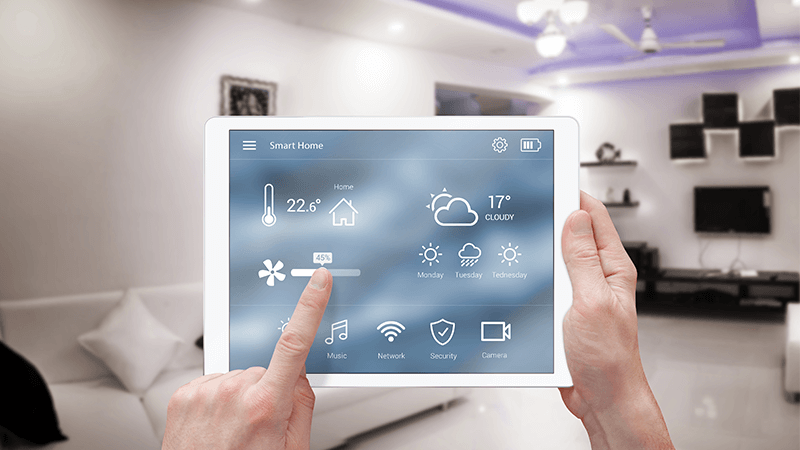
Tips for Maximizing Automation with Mobile Apps
To get the most out of your smart home setup, consider these best practices:
- Keep apps updated: Regular updates ensure security and access to the latest features.
- Use strong passwords: Protect your home network and app accounts with unique, secure credentials.
- Explore integrations: Many apps allow you to connect third-party services for expanded automation options.
- Test routines: Run through your automations to ensure they work as intended and adjust as needed.
- Educate household members: Make sure everyone knows how to use the apps and devices safely.
As you become more comfortable with how to use mobile apps for automation, you can experiment with more advanced routines and integrations, such as linking your smart home to weather data or occupancy sensors.
Common Challenges and How to Overcome Them
While smart home automation offers many benefits, users sometimes encounter obstacles. Here are some typical issues and solutions:
- Connectivity problems: Ensure your Wi-Fi network is reliable and that devices are within range of your router.
- Compatibility issues: Check that all devices and apps support the same ecosystem or use platforms like SmartThings for broader compatibility.
- Security concerns: Regularly update device firmware and app software to protect against vulnerabilities.
- Complex setup: Start with a few devices and gradually expand as you become more familiar with the process.
For those managing multiple properties or rentals, reviewing short term rental zoning best practices can help ensure your automation strategies align with local regulations.
Frequently Asked Questions
Can I control all my smart devices with one app?
Many smart home platforms, such as Google Home or Samsung SmartThings, allow you to manage a wide range of devices from different manufacturers in a single app. However, some devices may require their own dedicated apps or may not be compatible with every ecosystem. Always check compatibility before purchasing new devices.
Is it safe to use mobile apps for home automation?
Yes, most reputable smart home apps use encryption and security protocols to protect your data. To further enhance safety, keep your apps and devices updated, use strong passwords, and enable two-factor authentication where available.
What should I do if my devices stop responding to the app?
First, check your Wi-Fi connection and ensure the device is powered on. Restarting the app or device often resolves minor issues. If problems persist, consult the manufacturer’s troubleshooting guide or consider resetting the device and reconnecting it to your network.