


In today’s competitive rental market, knowing how to price a furnished rental is crucial for maximizing your profit while ensuring your property stays occupied. Whether you are a seasoned landlord or a newcomer to the rental industry, understanding the nuances of rental pricing can significantly impact your success.
Understanding the Basics of Rental Pricing
What is a Furnished Rental?
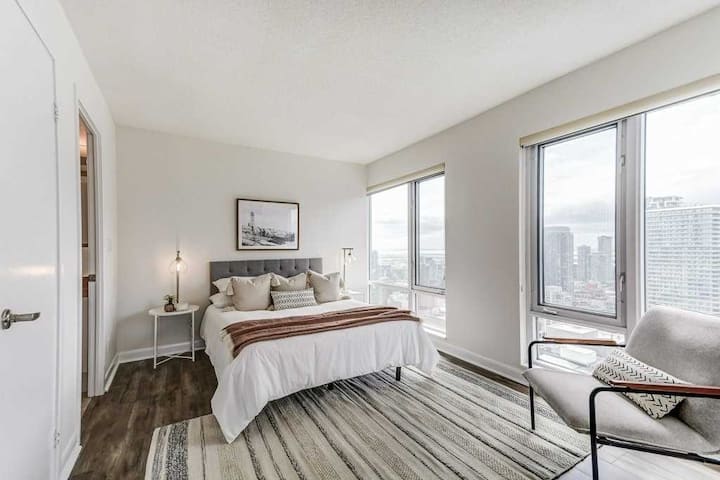
A furnished rental is a property that comes equipped with essential furniture and appliances. This can range from basic amenities to luxurious furnishings, depending on the target market. Furnished rentals are popular among short-term tenants who prefer convenience and flexibility.
Why Pricing Matters
Setting the right price is essential. It determines your rental income, influences occupancy rates, and affects tenant satisfaction. Overpricing can lead to vacancies, while underpricing can decrease your revenue and attract the wrong tenants.
Factors to Consider When Pricing Your Furnished Rental
Market Research
Conducting thorough market research is the first step in understanding how to price a furnished rental. Analyze local rental listings to see what similar properties are charging. Consider factors like location, size, and amenities to gauge competitive pricing.
Location, Location, Location
The location of your rental property plays a significant role in determining its price. Properties in prime areas or near amenities such as public transport, schools, and shopping centers can command higher rents.
Property Size and Condition
Larger properties or those in excellent condition can justify higher rental prices. Ensure that your property is well-maintained and up to date with repairs and upgrades to justify your pricing.
Amenities and Furnishings
The quality and quantity of furnishings provided can impact your rental price. High-end appliances, modern furniture, and added amenities like a gym or pool can increase the perceived value of your property.
Target Audience
Understanding your target audience is key. Are you catering to short-term tourists, business travelers, or long-term tenants? Each group has different expectations and budget constraints, which should be reflected in your pricing strategy.
Strategies for Setting the Right Price
Cost-Based Pricing
Calculate your total costs, including mortgage, utilities, maintenance, and potential vacancy periods. Add a profit margin to determine your baseline rental price. This method ensures all expenses are covered while generating profit.
Competitive Pricing
Use competitive pricing by aligning your rates with those of similar properties in your area. This strategy helps attract tenants while staying competitive in the market.
Value-Based Pricing
Consider the unique value your property offers. If your rental includes unique features or superior services, you can price it higher than average. Highlight these features in your listings to justify the premium.
Dynamic Pricing
Dynamic pricing involves adjusting your rental rates based on demand and seasonality. Use tools and platforms that provide data on market trends to optimize your pricing strategy. This approach can maximize revenue during peak seasons.
Tools and Resources for Pricing
Rental Pricing Software
Leverage technology to assist in pricing decisions. Rental pricing software analyzes market trends and suggests optimal pricing based on various factors. Consider tools like Beyond Pricing or PriceLabs for data-driven insights.
Professional Appraisal
For an accurate assessment, consider hiring a professional appraiser to evaluate your property’s worth. This can provide a reliable baseline for setting your rental price.
Consulting with Real Estate Experts
Consulting with real estate agents or property management professionals can offer valuable insights. Their industry experience and local market knowledge can guide you in pricing decisions.
Maintaining Competitive Pricing
Regular Market Analysis
Stay ahead by regularly analyzing market trends. Adjust your pricing as needed to remain competitive and attract tenants.
Feedback and Reviews
Encourage tenant feedback and monitor reviews. Positive reviews can justify higher prices, while constructive feedback can highlight areas for improvement.
Maximizing Profit with Strategic Pricing
Offer Flexible Lease Terms
Consider offering flexible lease terms to accommodate different tenant needs. Short-term leases can command higher prices, especially in high-demand areas.
Incentives and Promotions
Offer incentives such as discounted rates for early bookings or longer stays. This can attract tenants and increase occupancy rates.
Conclusion
Pricing a furnished rental requires a strategic approach that considers market dynamics, property features, and target audience preferences. By understanding how to price a furnished rental effectively, you can maximize your rental income and ensure tenant satisfaction.

Frequently Asked Questions
How can I determine the right rental price?
Conduct market research, consider location and property features, and evaluate your target audience’s preferences.
What tools can help with rental pricing?
Rental pricing software like Beyond Pricing and PriceLabs can provide data-driven insights for optimal pricing.
How often should I review my rental prices?
Regularly analyze market trends and adjust prices as needed to remain competitive and attract tenants.
For more detailed insights on rental pricing, visit Airbnb Costs.