
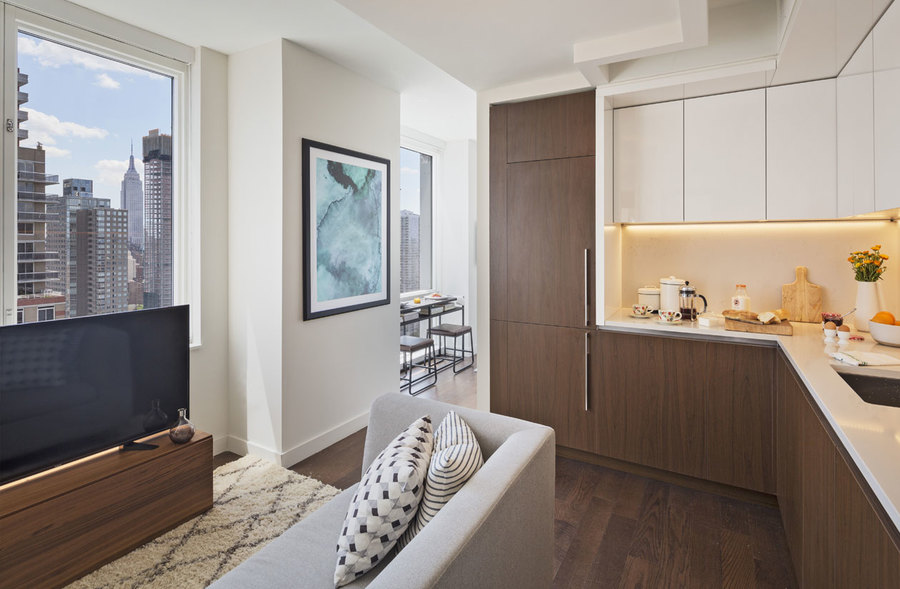

Managing short-term tenants can be both a rewarding and challenging experience for property owners. Whether you’re a seasoned landlord or a new property manager, understanding how to manage short-term tenants is crucial for maintaining a successful rental business. This article will delve into various strategies and tips to help you navigate this complex task. We’ll explore everything from setting clear expectations to handling conflicts and ensuring tenant satisfaction.

Understanding Short-Term Rentals
Before diving into management strategies, it’s important to understand what constitutes a short-term rental. These are typically properties rented out for periods ranging from a few days to a few months, with platforms like Airbnb and Vrbo being popular choices for listing such properties. The transient nature of short-term tenants necessitates a unique approach to management.
Setting Clear Expectations
One of the first steps in managing short-term tenants is setting clear expectations. This involves outlining house rules, rental terms, and any other pertinent information in a rental agreement. Make sure to communicate these expectations clearly before the tenant’s arrival to avoid any misunderstandings.
Creating a Comprehensive Rental Agreement
A well-drafted rental agreement is essential for managing short-term tenants. It should clearly state the duration of the stay, payment terms, house rules, and consequences of any violations. This legal document serves as a reference point in case of disputes.
Effective Communication
Maintaining open and effective communication with your tenants is key to successful property management. Ensure that tenants know how to reach you and encourage them to voice any concerns or issues they might have during their stay.
Utilizing Technology
Technology can be a great aid in managing short-term rentals. Consider using property management software to keep track of bookings, payments, and maintenance requests. This not only streamlines operations but also enhances communication with tenants.
Ensuring a Positive Experience
Providing a positive experience for your tenants can lead to repeat bookings and positive reviews. Pay attention to the cleanliness of the property, provide necessary amenities, and respond promptly to tenant inquiries.
Offering Amenities
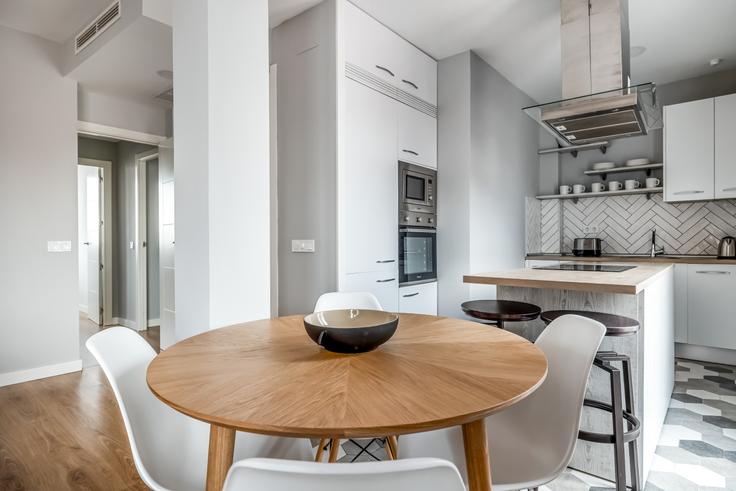
To enhance the tenant experience, consider offering amenities such as high-speed internet, a fully-equipped kitchen, and entertainment options. These extras can set your property apart from others and attract more bookings.
Maintaining the Property
Regular maintenance of the property is crucial. Conduct routine inspections and address any issues promptly to ensure that the property remains in top condition for each new tenant.
Handling Tenant Conflicts
Conflicts can arise even with the best planning. When they do, it’s important to address them promptly and professionally. Listen to tenant concerns and work towards a fair resolution.
Professional Mediation
If a conflict cannot be resolved amicably, consider seeking the help of a professional mediator. This can help both parties reach an agreement without escalating the situation.
Legal Considerations
Understanding the legal aspects of managing short-term rentals is crucial. This includes local regulations, tax obligations, and tenant rights. Ensure that you are compliant with all relevant laws to avoid any legal issues.
Insurance Coverage
Having the right insurance coverage is essential. Consider policies that cover property damage, liability, and loss of income in case of unforeseen circumstances.
Maximizing Rental Income
To make the most of your short-term rental, consider strategies for maximizing rental income. This can include adjusting prices based on demand, offering discounts for longer stays, and enhancing the property’s appeal.
Seasonal Pricing
Implementing seasonal pricing strategies can help you optimize rental income throughout the year. By adjusting prices based on demand, you can ensure that your property remains competitive and profitable.
FAQs
What is considered a short-term rental?
A short-term rental is typically a property rented out for a period ranging from a few days to a few months.
How can I handle difficult tenants?
Effective communication and clear expectations are key to handling difficult tenants. If issues persist, consider seeking professional mediation.
What should be included in a rental agreement?
A rental agreement should include the duration of the stay, payment terms, house rules, and consequences of any violations.
By understanding how to manage short-term tenants, you can ensure a smooth and successful rental operation. For more tips, check out this external resource on rental business ideas.