

Managing rental properties from afar is more achievable than ever, thanks to advances in smart home technology and remote management tools. For landlords and property managers, learning how to automate rental property remotely can save time, reduce stress, and improve both guest and tenant experiences. Whether you own a single unit or a portfolio of short-term rentals, automating key aspects of your property can streamline operations and boost profitability.
This guide covers the essential steps, recommended devices, and practical tips for setting up a remotely managed rental. You’ll also find insights on compliance, security, and best practices to ensure your investment remains protected and efficient. If you’re interested in optimizing your rental strategy further, consider exploring airbnb zoning strategy for investors to ensure your automation plans align with local regulations.
Why Remote Automation Matters for Landlords
Automating your rental property from a distance offers several advantages. First, it allows you to handle routine tasks—like check-ins, temperature control, and security—without being physically present. This is especially valuable for hosts managing properties in different cities or countries. Automation also enhances guest satisfaction by providing seamless entry and personalized comfort, while reducing the risk of human error.
For those operating in areas with evolving short-term rental regulations, integrating automation can help maintain compliance and document access or occupancy. If you’re managing properties in suburban or rural locations, you may want to review airbnb zoning for suburban areas to ensure your setup meets local requirements.
Essential Smart Devices for Remote Property Management
The foundation of a remotely managed rental is a suite of reliable smart devices. Here are the most impactful categories to consider:
- Smart locks: Enable keyless entry, temporary codes, and remote lock/unlock. Popular brands include August, Schlage, and Yale.
- Video doorbells: Monitor entryways in real time and communicate with visitors or guests from anywhere.
- Smart thermostats: Control heating and cooling remotely, set schedules, and monitor energy usage.
- Security cameras: Provide peace of mind with live feeds and motion alerts, both indoors and outdoors.
- Leak and smoke detectors: Receive instant notifications if water leaks or smoke is detected, reducing potential damage.
- Smart lighting: Automate lights for security, energy savings, and guest convenience.
These devices can be managed through centralized apps or property management platforms, making it easy to monitor and control multiple units from a single dashboard.
Setting Up Remote Access and Control
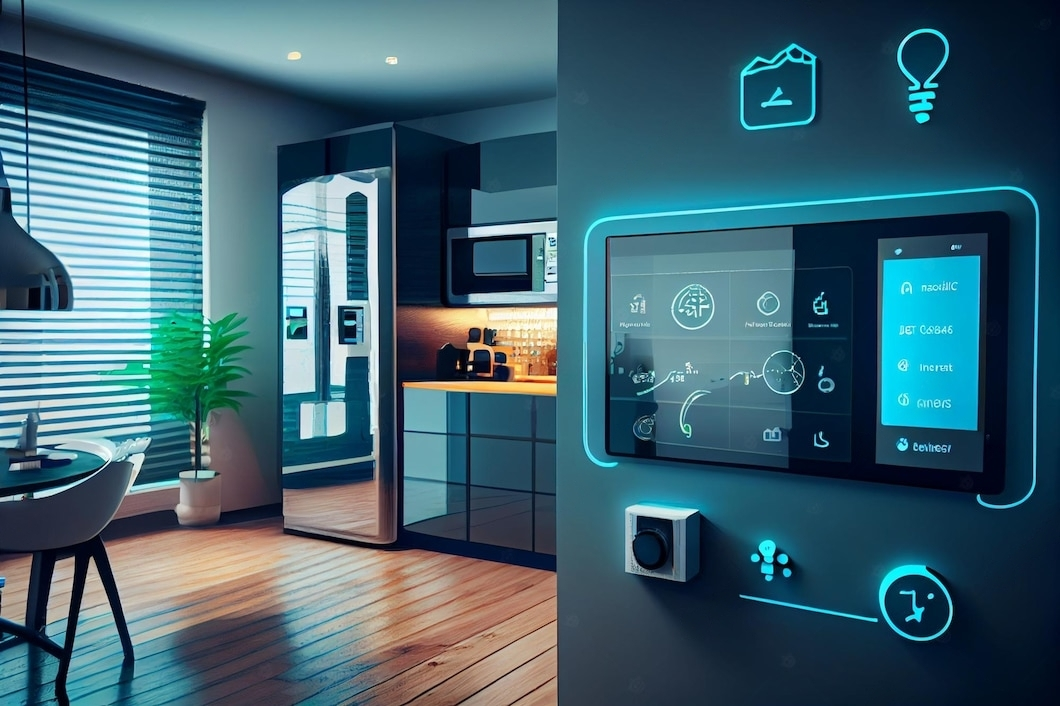
To fully benefit from property automation, it’s important to configure devices for secure and reliable remote access. Start by choosing devices that support cloud connectivity and have robust mobile apps. Most smart locks, thermostats, and cameras allow you to grant access, monitor activity, and adjust settings from anywhere with an internet connection.
For added convenience, consider integrating your devices with a property management system (PMS) or a smart home hub. This allows you to automate workflows—such as sending access codes to guests before arrival or adjusting climate settings based on occupancy. If you want to learn more about smart home solutions for rentals, the Google Smart Home for Renters guide offers practical advice and device recommendations.
Security and Privacy Considerations
While automation brings many benefits, it’s crucial to prioritize security and privacy for both you and your guests. Always use strong, unique passwords for device accounts and enable two-factor authentication where possible. Regularly update device firmware to patch vulnerabilities.
Be transparent with tenants or guests about the presence and purpose of cameras or monitoring devices. Place cameras only in common or exterior areas, never in private spaces. Clearly outline your privacy policy in rental agreements to build trust and avoid misunderstandings.
Automating Guest Communication and Turnover
Beyond physical devices, automating communication and turnover tasks can further streamline your rental business. Tools like automated messaging platforms can send check-in instructions, house rules, and checkout reminders without manual intervention. Smart locks can generate unique codes for each guest, which expire after their stay, enhancing both security and convenience.
For cleaning and maintenance, consider scheduling services through integrated apps or coordinating with local vendors who receive automatic notifications after each booking. This reduces the risk of missed turnovers and ensures your property remains guest-ready.
Compliance and Local Regulations for Automated Rentals
Before implementing automation, review local laws and homeowners’ association rules regarding surveillance, smart locks, and short-term rentals. Some regions require notification or consent for certain devices, especially cameras and noise monitors. Staying informed about the latest airbnb zoning legislation updates can help you avoid fines and ensure your property remains in good standing.
Document all automation features in your property listing and rental agreements. This not only protects you legally but also sets clear expectations for guests.
Best Practices for Maintaining Automated Properties
To keep your automated rental running smoothly, follow these maintenance tips:
- Test all devices regularly to ensure they function as intended.
- Keep backup access methods (such as physical keys) in a secure location.
- Schedule periodic updates for device software and apps.
- Monitor energy usage and adjust automation schedules for efficiency.
- Solicit guest feedback to identify areas for improvement.
If you manage properties in smaller communities, the airbnb zoning for small towns guide provides additional context on compliance and best practices.
FAQ: Remote Rental Property Automation
What are the most important devices for automating a rental property remotely?
The most impactful devices include smart locks for keyless entry, video doorbells for monitoring access, smart thermostats for climate control, and security cameras for property oversight. These tools allow landlords to manage access, security, and comfort from anywhere.
Is it safe to use smart devices in a rental property?
Yes, provided you follow best practices for security. Use strong passwords, enable two-factor authentication, and keep devices updated. Always inform guests about any monitoring devices and ensure compliance with local privacy laws.
How can I automate guest check-ins and checkouts?
Use smart locks that support temporary access codes, and set up automated messaging to send instructions and reminders. Many property management platforms integrate with smart devices to automate these processes, reducing manual effort and improving guest experience.
Do I need to update my rental agreements when adding automation?
It’s a good idea to update your rental agreements to reflect any new automation features, especially if you install cameras or monitoring devices. Clear communication helps build trust and ensures guests are aware of the technology in use.
Conclusion
Embracing remote automation for your rental properties can transform the way you manage and scale your business. By investing in the right smart devices, setting up secure remote access, and staying informed about local regulations, you can create a seamless experience for both yourself and your guests. For those seeking to maximize efficiency and compliance, leveraging resources like zoning guides and smart home recommendations will help you stay ahead in the evolving rental market.