

Managing lighting in rental homes can be a challenge, especially when aiming to balance energy efficiency, guest comfort, and property security. Automating lighting timers is a practical solution that helps property owners and managers streamline operations, reduce costs, and enhance the guest experience. This guide explores the most effective ways to set up automated lighting controls in rental spaces, from choosing the right devices to practical installation tips and best practices.
Whether you manage a single vacation home or multiple short-term rentals, understanding the benefits and options for smart lighting automation can help you save time and money. We’ll cover the main types of automation systems, how to select the best products for your needs, and how to ensure your setup complies with local regulations. For those interested in broader property management strategies, resources like airbnb zoning strategy for investors can also provide valuable insights.

Why Automate Lighting in Rental Homes?
Automated lighting systems offer several advantages for property owners and tenants. The most significant benefits include:
- Energy savings: Timers and smart controls ensure lights are only on when needed, reducing electricity bills.
- Security: Scheduled lighting can make a property appear occupied, deterring potential intruders.
- Convenience: Guests enjoy a seamless experience with lights that adjust automatically based on time of day or occupancy.
- Maintenance reduction: Less manual switching means less wear on fixtures and switches.
For landlords, these advantages can translate into higher guest satisfaction, better reviews, and increased bookings. Automated lighting is also a marketable feature that sets your property apart from competitors.
Types of Lighting Automation Solutions
There are several approaches to automating lighting timers in rental properties. The right choice depends on your budget, technical comfort, and property layout. Here are the most common solutions:
1. Smart Plugs and Outlets
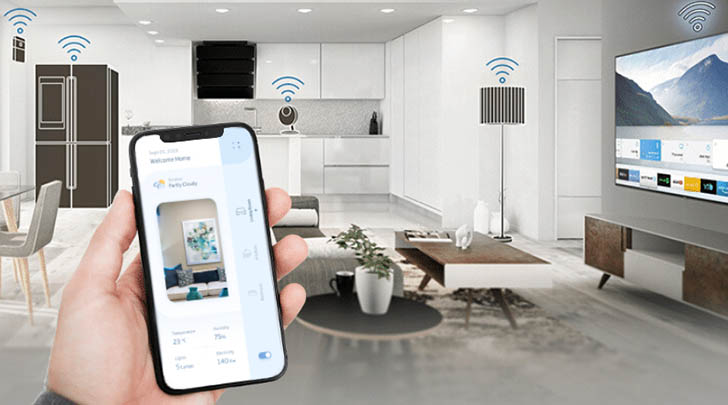
Smart plugs are an easy entry point for automating lamps and small appliances. These devices plug into a standard outlet and can be controlled via smartphone apps or voice assistants. Most models allow you to set schedules, timers, or even control lights remotely.
2. Programmable Wall Switches
Replacing traditional wall switches with programmable or smart switches gives you direct control over built-in lighting fixtures. These switches often support scheduling, countdown timers, and integration with home automation platforms.
3. Smart Bulbs
Smart bulbs can be installed in existing fixtures and controlled individually or as part of a group. Many offer features like dimming, color changes, and preset scenes, all manageable through an app or voice command.
4. Centralized Home Automation Systems
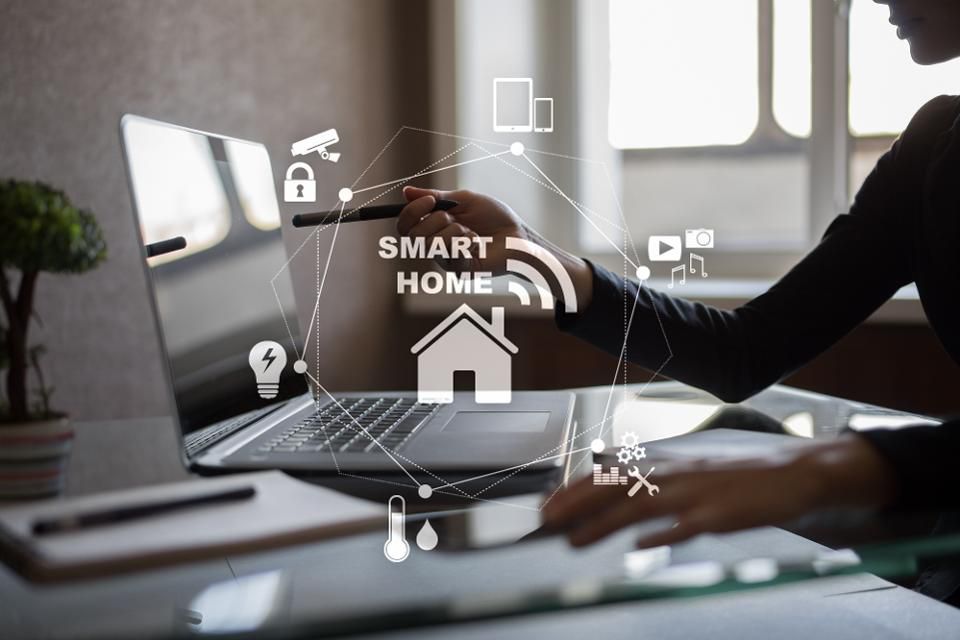
For larger or more upscale properties, a full home automation system may be ideal. These platforms can coordinate lighting with other smart devices, such as thermostats and security cameras, for comprehensive control. To learn more about how these systems work, see this overview of home automation technology.
Choosing the Right Timer Automation for Your Property
When selecting a lighting automation solution, consider the following factors:
- Property size and layout: Larger homes may benefit from centralized systems, while apartments or single rooms might only need smart plugs or bulbs.
- Guest tech-savviness: Choose user-friendly devices that are easy for guests to operate without extensive instructions.
- Integration with other smart devices: If your rental already features smart thermostats or security systems, look for lighting products that are compatible with your existing setup.
- Budget: Costs can range from under $20 for a basic timer plug to several hundred dollars for a full automation hub.
- Remote management: For hosts who manage properties from afar, remote access and monitoring are essential features.
It’s also important to ensure that your automation setup aligns with local regulations and rental agreements. For more on compliance and best practices, see resources like short term rental zoning best practices.
Step-by-Step Guide to Setting Up Automated Lighting Timers
Implementing automated lighting in a rental property can be straightforward if you follow these steps:
- Assess your needs: Identify which areas of the property would benefit most from automation (e.g., entryways, living rooms, exterior lights).
- Select compatible devices: Choose smart plugs, switches, or bulbs that fit your fixtures and are compatible with your preferred control method (app, voice, or automation hub).
- Install devices: Follow manufacturer instructions for installation. Many smart plugs and bulbs require only a Wi-Fi connection and a simple app setup, while wall switches may need basic electrical work.
- Configure schedules: Use the device app to set up on/off times, adjust for daylight savings, and create custom scenes for guest arrivals or departures.
- Test and educate guests: Ensure the system works as intended and provide clear instructions for guests, either in your welcome book or through digital messaging.
Best Practices for Managing Automated Lighting in Rentals
To maximize the benefits of automated lighting, keep these tips in mind:
- Keep controls simple: Use devices with intuitive interfaces and clear labeling, so guests can easily adjust settings if needed.
- Document instructions: Include a brief guide in your welcome materials explaining how to use the lighting system.
- Monitor remotely: Choose systems that allow you to check status and make adjustments from your phone or computer.
- Update schedules seasonally: Adjust timers for daylight hours and guest check-in patterns to optimize savings and comfort.
- Maintain privacy: Avoid using cameras or sensors in private areas; focus automation on common spaces and exteriors.
If your property is in a suburban or small-town area, you may also want to review airbnb zoning for suburban areas or airbnb zoning for small towns for additional compliance guidance.
Frequently Asked Questions
What are the easiest lighting automation options for beginners?
Smart plugs and bulbs are the most straightforward solutions for those new to home automation. They require minimal installation and can be controlled via simple smartphone apps, making them ideal for rental properties.
Can automated lighting improve property security?
Yes, scheduled lighting can make a rental appear occupied even when vacant, which helps deter break-ins. Many smart systems also allow for randomization of lighting schedules for added security.
Do I need Wi-Fi for automated lighting timers to work?
Most smart lighting devices require a stable Wi-Fi connection for remote control and scheduling. However, some basic programmable timers can operate independently of the internet, though they offer fewer features.
How can I ensure guests understand how to use automated lights?
Provide clear, concise instructions in your welcome materials or via digital messaging. Choose devices with user-friendly controls and consider including a quick reference guide near the main switches.
By implementing these strategies, property owners can enjoy the benefits of automated lighting while providing a better experience for guests and improving operational efficiency.