
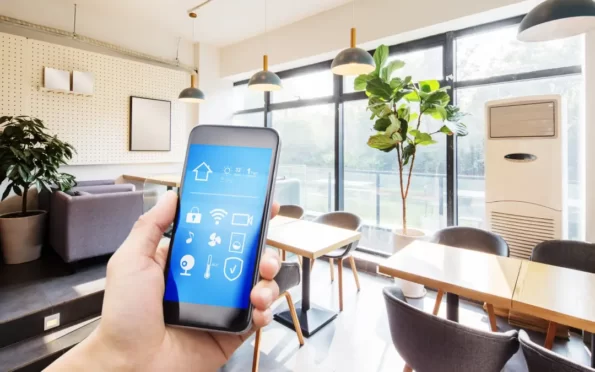

Automating HVAC systems in rental properties can significantly enhance energy efficiency, tenant comfort, and property management efficiency. With the advent of smart home technology, property owners can now leverage advanced systems to control heating, ventilation, and air conditioning remotely. This guide will explore the steps and benefits of implementing such systems in rental units.
Before diving into the technical aspects, it’s crucial to understand the broader implications of smart home automation. For instance, integrating these systems can align with broader Airbnb zoning strategies for investors, ensuring compliance and maximizing property appeal.
Understanding Smart HVAC Systems
Smart HVAC systems are designed to provide automated control over climate settings in a property. These systems use sensors and internet connectivity to adjust temperatures based on occupancy, time of day, and even weather forecasts. By automating these processes, property owners can reduce energy consumption and costs.
One of the primary components of a smart HVAC system is the smart thermostat. Devices like the Google Nest Thermostat allow for remote control and scheduling, making it easier to manage multiple units from a single interface. This technology is particularly beneficial in rental properties where tenant turnover can lead to inconsistent usage patterns.
Steps to Implement Automation in Rentals
Implementing automation in rental properties involves several key steps. First, assess the existing HVAC infrastructure to determine compatibility with smart systems. Most modern systems can be retrofitted with smart thermostats and sensors.
Next, choose a reliable smart thermostat. The Google Nest Thermostat is a popular choice due to its user-friendly interface and robust features. Installation typically involves replacing the existing thermostat with the smart device, which can often be done without professional assistance.

Benefits of Automation for Property Owners
Automating HVAC systems in rental properties offers numerous benefits. One of the most significant advantages is energy efficiency. Smart systems can reduce energy consumption by adjusting settings based on real-time data, leading to lower utility bills.
Additionally, these systems enhance tenant satisfaction by maintaining optimal comfort levels without manual intervention. This can lead to higher tenant retention rates, as residents appreciate the convenience and comfort of automated climate control.
Integrating Smart Home Technology
Beyond HVAC systems, integrating other smart home technologies can further enhance rental properties. Devices such as smart locks, cameras, and lighting systems can provide additional convenience and security for both tenants and property managers.
For more information on smart home technology, consider exploring resources like Investopedia’s guide on smart homes. These resources can offer valuable insights into the latest trends and technologies in the market.
FAQs
What Are the Initial Costs of Automating HVAC Systems?
The initial costs can vary depending on the size of the property and the specific systems chosen. Smart thermostats like the Google Nest are relatively affordable and can be installed without professional help, reducing upfront costs.
How Does Automation Affect Tenant Satisfaction?
Automation can significantly improve tenant satisfaction by providing consistent comfort and reducing the need for manual adjustments. Tenants appreciate the convenience and energy savings, which can lead to higher retention rates.
Is It Difficult to Retrofit Existing HVAC Systems?
Most modern HVAC systems can be easily retrofitted with smart technology. However, it is essential to check compatibility with existing infrastructure before purchasing new devices.