

Managing comfort and efficiency in short-term rental properties is a top priority for hosts and property managers. One area that often gets overlooked is the hot water supply. Automating water heating not only saves energy and reduces costs, but it also ensures guests always have a reliable supply of hot water. With the rise of smart home technology, it’s easier than ever to implement automated solutions that enhance guest satisfaction and streamline property management.
This article provides a practical overview of how to automate hot water systems in vacation rentals, including the benefits, available technologies, and step-by-step guidance for implementation. If you’re also interested in optimizing your property’s compliance and profitability, you may want to explore our airbnb zoning strategy for investors guide.
Why Automate Water Heating in Vacation Rentals?
Automating the water heating process brings several key advantages for short-term rental operators:
- Energy Efficiency: Smart controls can schedule heating based on occupancy, reducing unnecessary energy use when the property is vacant.
- Guest Comfort: Guests expect hot water on demand. Automation ensures consistent supply and can even allow remote troubleshooting if issues arise.
- Cost Savings: By heating water only when needed, owners can lower utility bills and extend the lifespan of water heaters.
- Remote Management: Smart systems allow property managers to monitor and adjust settings from anywhere, saving time and reducing the need for on-site visits.
Key Technologies for Smart Water Heating
There are several ways to bring automation to your property’s hot water supply. The most common approaches include:
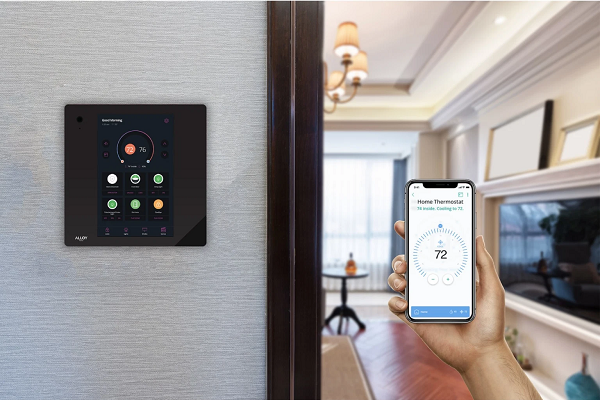
- Smart Thermostats: Devices like the Google Nest Thermostat can be integrated with compatible water heaters, allowing you to set schedules and control temperatures remotely.
- Wi-Fi Enabled Water Heater Controllers: These retrofit devices connect to your existing water heater, providing app-based control and automation features.
- Occupancy Sensors: By detecting guest presence, these sensors can trigger the water heater to turn on or off, ensuring hot water is available only when needed.
- Integration with Home Automation Platforms: Systems like SmartThings, Home Assistant, or Alexa can coordinate water heating with other smart devices, such as door locks or thermostats.
Steps to Implement Automated Hot Water Solutions
Bringing automation to your rental’s water heating doesn’t have to be complicated. Here’s a step-by-step approach:
-
Assess Your Existing System
Identify the type of water heater installed (tank, tankless, electric, or gas) and check for compatibility with smart controllers or thermostats. -
Choose the Right Automation Device
Select a smart thermostat or Wi-Fi controller that works with your heater. Look for models that offer scheduling, remote access, and integration with your preferred smart home platform. -
Install and Configure
Follow manufacturer instructions for installation. Many devices are designed for DIY setup, but professional installation may be needed for electrical or plumbing work. -
Set Schedules and Rules
Program the system to heat water before guest check-in and reduce heating during vacancy. Use occupancy sensors or integrate with your booking calendar for dynamic control. -
Monitor and Optimize
Use the app or automation dashboard to monitor usage, adjust settings, and troubleshoot remotely. Over time, analyze usage patterns to further optimize schedules and energy savings.
Integrating Hot Water Automation with Other Smart Devices
For maximum efficiency, consider connecting your water heating automation to other smart home systems. For example, linking the water heater to a smart lock can trigger the heater to turn on when guests check in and off after check-out. This level of integration not only saves energy but also ensures guests never arrive to a cold shower.
Many property owners also use comprehensive home automation guides to understand the broader benefits and technical details of smart property management.
Common Challenges and How to Overcome Them
While automating hot water systems offers many benefits, there are some challenges to consider:
- Compatibility Issues: Not all water heaters support smart controllers. Always check compatibility before purchasing new devices.
- Wi-Fi Reliability: Automation depends on a stable internet connection. Ensure your property has reliable Wi-Fi coverage, especially in utility areas.
- Guest Privacy: Use automation features that respect guest privacy. Avoid intrusive monitoring and clearly communicate any smart devices present in the property.
- Initial Investment: There may be upfront costs for hardware and installation, but these are often offset by long-term savings and improved guest reviews.
Best Practices for Smart Water Heating in Rentals
- Regularly update device firmware to maintain security and performance.
- Test automation routines between guest stays to ensure everything works as intended.
- Provide clear instructions for guests in case they need to adjust water temperature or report issues.
- Document your automation setup for future reference or for handover to property managers.
- Stay informed about new technologies and regulations that may impact your automation strategy. For more on compliance, see our short term rental zoning best practices resource.
FAQ: Automating Hot Water in Short-Term Rentals
Can I automate an existing water heater, or do I need to buy a new one?
Many existing water heaters can be automated using retrofit Wi-Fi controllers or smart thermostats. However, compatibility depends on the heater’s make and model. Always check device specifications before purchasing.
Will automation affect guest comfort or safety?
When set up correctly, automation enhances guest comfort by ensuring hot water is always available during their stay. Safety is maintained as long as devices are installed according to manufacturer guidelines and local codes.
How much can I save by automating my hot water system?
Savings vary based on property size, occupancy rates, and energy prices. Many hosts report noticeable reductions in utility bills, especially in properties with frequent vacancy periods. Automation also helps prevent costly breakdowns by enabling proactive maintenance.
Is it difficult to manage multiple automated systems across several properties?
Most smart home platforms allow centralized management of multiple devices and properties. This makes it easy for hosts and managers to monitor, adjust, and troubleshoot systems remotely from a single dashboard.
Conclusion
Automating water heating in short-term rentals is a practical way to boost efficiency, cut costs, and enhance the guest experience. By leveraging smart thermostats, Wi-Fi controllers, and integration with other smart devices, property owners can remotely manage hot water supply with confidence. As smart home technology continues to evolve, staying informed and proactive will help you maintain a competitive edge in the rental market.