
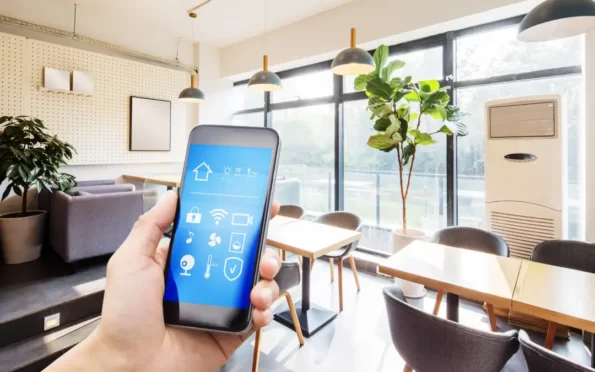

Short-term rental (STR) operators are increasingly seeking ways to streamline operations and improve sustainability. One area that offers significant potential for efficiency is the automation of energy consumption reporting. By leveraging smart home technology and integrated software solutions, property managers can gain real-time insights, reduce manual workloads, and demonstrate a commitment to responsible resource use—an attractive feature for both guests and regulatory compliance.
In this guide, we’ll explore practical steps and tools for automating utility monitoring and reporting in vacation rentals. Whether you manage a single property or a portfolio, understanding how to set up automated systems can save time, reduce costs, and enhance your property’s appeal. For those interested in optimizing compliance and maximizing returns, it’s also worth reviewing airbnb zoning strategy for investors to ensure your automation efforts align with local regulations.
Why Automate Utility Reporting in Short-Term Rentals?
Manual tracking of electricity, water, and gas usage is time-consuming and prone to errors. Automation brings several advantages:
- Accuracy: Automated systems eliminate manual data entry, reducing mistakes and ensuring reliable records.
- Efficiency: Reports can be generated on-demand or scheduled, freeing up time for other management tasks.
- Transparency: Guests and owners appreciate clear, verifiable data—especially when utility costs are shared or billed separately.
- Sustainability: Real-time monitoring helps identify waste, optimize consumption, and support eco-friendly initiatives.
- Compliance: Some jurisdictions require detailed reporting for STRs, making automation a valuable tool for meeting local rules.
Key Technologies for Automated Energy Monitoring
The foundation of automated reporting is a network of smart devices and software platforms. Here are the core components:
- Smart Meters: These devices track real-time usage of electricity, water, and gas. Many utilities now offer digital meters with remote access.
- IoT Sensors: Internet of Things (IoT) sensors can monitor temperature, humidity, and occupancy, providing context for energy use.
- Smart Thermostats: Devices like the Google Nest Thermostat allow for remote control and detailed usage analytics.
- Integrated Platforms: Property management systems (PMS) and energy dashboards consolidate data from multiple sources, making it easy to generate and share reports.
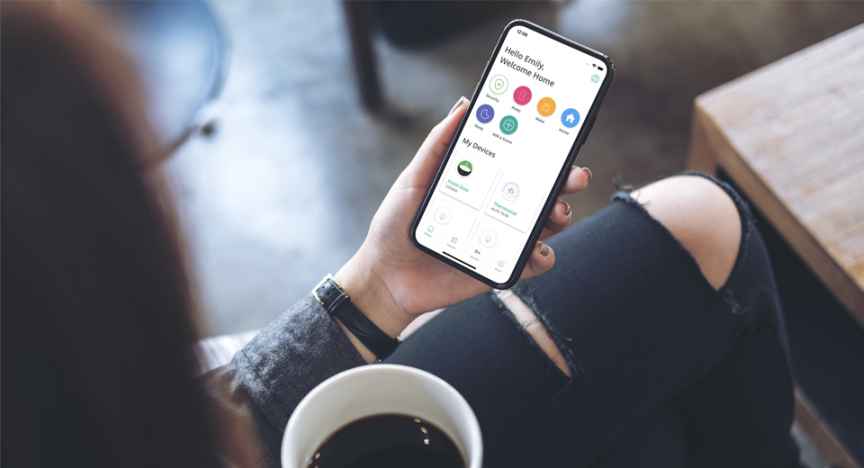
Setting Up Automated Energy Consumption Reports
Creating a seamless reporting workflow involves several steps. Here’s a practical approach for STR owners and managers:
- Install Smart Devices: Begin by equipping your property with smart meters, thermostats, and relevant IoT sensors. Choose devices that are compatible with your preferred management platform.
- Connect to a Central Platform: Use a property management system or dedicated energy dashboard that can integrate with your devices. Many platforms offer direct connections to popular smart home products.
- Configure Data Collection: Set up automatic data pulls from your meters and sensors. Most systems allow you to schedule data exports or syncs at regular intervals.
- Automate Report Generation: Use built-in tools to create scheduled reports. These can be emailed to owners, shared with guests, or archived for compliance.
- Monitor and Optimize: Review reports regularly to identify trends, spot anomalies, and adjust settings for maximum efficiency.
Choosing the Right Tools for Your Rental
Not all STRs have the same needs. Consider the following when selecting automation tools:
- Compatibility: Ensure your chosen devices and software work together seamlessly.
- Scalability: If you manage multiple properties, select a platform that supports portfolio-wide reporting.
- User Experience: Look for intuitive dashboards and clear reporting formats that are easy to share with stakeholders.
- Support and Security: Choose reputable brands with strong customer support and robust data privacy features.
For a deeper dive into integrating smart home technology in rentals, see this comprehensive guide to smart home solutions for rental properties.
Best Practices for Automated Utility Data in STRs
To maximize the benefits of automated energy tracking, consider these best practices:
- Regularly Review Reports: Don’t just automate and forget. Periodic checks help catch issues like leaks, malfunctioning appliances, or unusual spikes in usage.
- Share Data Transparently: If utilities are billed separately, provide guests or owners with clear, itemized reports.
- Stay Informed on Regulations: STR rules can change. Stay updated by consulting resources such as short term rental zoning best practices to ensure your reporting meets local requirements.
- Integrate with Other Systems: Where possible, connect your energy monitoring with smart locks, security cameras, or cleaning schedules for a fully automated property.
- Educate Guests: Simple signage or digital guides can encourage guests to use energy responsibly, further supporting your sustainability goals.
Common Challenges and Solutions
While automation offers many benefits, some obstacles may arise:
- Device Compatibility: Not all smart devices work together. Research integrations before purchasing, or opt for platforms with broad compatibility.
- Upfront Costs: Smart meters and sensors require investment. However, energy savings and reduced labor often offset these costs over time.
- Data Privacy: Protect guest and owner information by choosing secure platforms and following best practices for digital privacy.
- Connectivity Issues: Reliable Wi-Fi is essential. Consider backup solutions or alerts for connectivity loss.
FAQ: Automating Energy Reporting in Short-Term Rentals
What devices are needed to start automating energy usage tracking?
The basics include smart meters for electricity, water, and gas, as well as compatible IoT sensors and a central dashboard or property management system. Smart thermostats and plugs can provide additional data and control.
Can automated reports help with regulatory compliance?
Yes, many local authorities require detailed utility reporting for STRs. Automated systems ensure you have accurate, time-stamped records ready for inspection or submission.
How can automation save money for STR operators?
By identifying inefficiencies, preventing waste, and reducing manual labor, automated reporting can lead to lower utility bills and fewer administrative hours. Over time, these savings can outweigh the initial setup costs.
Is it possible to share energy reports with guests?
Absolutely. Many platforms allow you to generate guest-friendly reports or summaries, which can be shared via email or through your booking platform. This transparency can enhance trust and encourage responsible usage.
Conclusion
Automating the process of tracking and reporting utility usage in short-term rentals is no longer a luxury—it’s a practical step toward efficiency, sustainability, and compliance. By investing in the right smart devices and integrating them with robust management platforms, STR owners and managers can simplify operations and provide added value to both guests and property owners. For those expanding their rental business, staying informed about airbnb zoning for suburban areas can further support a successful, compliant, and future-ready rental operation.