
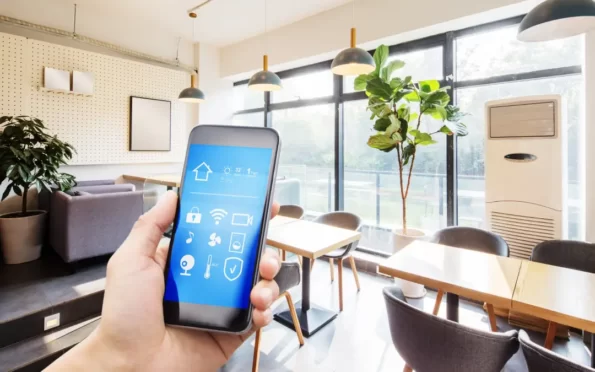

Streamlining the way guests arrive and depart from short-term rentals has become a top priority for hosts and property managers. With the rise of smart technology and digital solutions, automating check-in and check-out is no longer just a convenience—it’s a competitive advantage. This guide explores practical steps for implementing automation, the benefits for both hosts and guests, and the essential tools to consider.
Whether you manage a single vacation rental or a portfolio of properties, understanding how to automate check-in and check-out can help you save time, reduce errors, and deliver a seamless guest experience. For those navigating local regulations, resources like airbnb zoning strategy for investors provide valuable context for compliance and operational planning.
Why Automate Arrival and Departure?
Automation in guest management is about more than just reducing manual tasks. It enhances security, improves guest satisfaction, and allows hosts to operate efficiently—even remotely. With digital solutions, guests can arrive and leave on their own schedule, while hosts can monitor access and ensure the property is ready for the next booking.
- Convenience: Guests appreciate the flexibility of self-service entry and exit, especially after long journeys or late-night arrivals.
- Security: Smart locks and digital access codes reduce the risks associated with physical keys.
- Efficiency: Automated notifications and cleaning schedules streamline turnover between guests.
- Scalability: Hosts managing multiple properties can standardize processes and minimize on-site visits.
Key Technologies for Automated Check-In and Check-Out
Implementing automated check-in and check-out systems involves integrating several types of technology. The right combination depends on your property type, guest profile, and budget.
Smart Locks and Keyless Entry
Smart locks are the foundation of most automated entry systems. These devices allow hosts to generate unique access codes for each guest, which can be set to expire after check-out. Many models integrate with property management platforms, enabling remote control and monitoring.
Automated Messaging and Communication
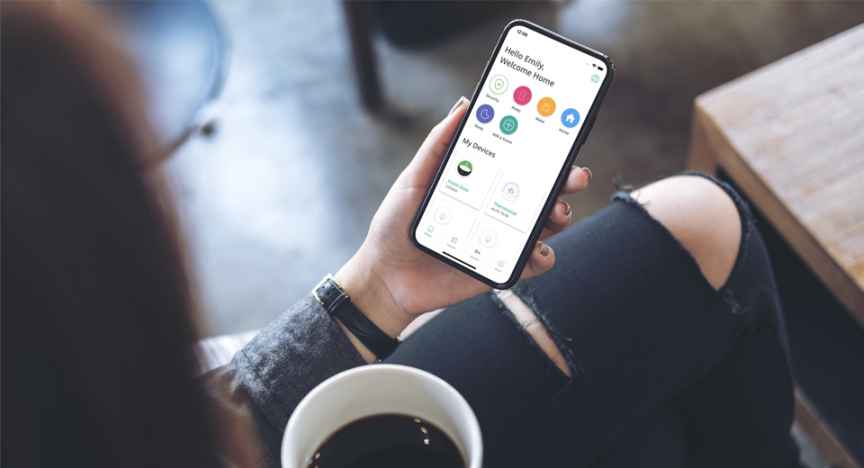
Communication platforms can send guests automated instructions, reminders, and check-out procedures. Integration with booking platforms ensures that messages are timely and personalized, reducing confusion and support requests.
Property Management Software
Comprehensive property management systems (PMS) often include features for automating guest access, scheduling cleanings, and syncing calendars. These solutions are especially valuable for hosts managing several listings, as they centralize operations and data.
Setting Up an Automated Guest Experience
Transitioning to an automated process involves several steps. Here’s how to implement a seamless system for arrivals and departures:
- Choose Compatible Devices: Select smart locks, thermostats, and security cameras that integrate with your PMS or booking platform.
- Configure Access: Set up unique codes or digital keys for each reservation, ensuring codes expire after check-out.
- Automate Messaging: Draft clear instructions for entry, Wi-Fi, and house rules, and schedule them to send automatically before arrival and before departure.
- Integrate Cleaning Schedules: Use your PMS to notify cleaners when guests check out, ensuring quick turnovers.
- Monitor and Adjust: Regularly review guest feedback and system logs to identify areas for improvement.
Security and Privacy Considerations
While automation offers many benefits, it’s essential to maintain guest trust. Use reputable brands for smart devices and keep software updated to prevent unauthorized access. Inform guests about the technology in use and respect privacy—avoid installing cameras in private areas.
Best Practices for a Smooth Automated Process
- Test All Systems: Regularly verify that locks, codes, and notifications are working as intended.
- Provide Backup Options: Have a contingency plan for guests who encounter issues, such as a local contact or a secure lockbox.
- Keep Instructions Simple: Use clear, step-by-step guides and visuals where possible.
- Stay Informed: Keep up with industry trends by reading resources like how home automation is transforming the rental industry.
Integrating Automation with Local Regulations
Before implementing any new technology, review local laws and homeowners’ association rules. Some areas have specific requirements for guest registration, security, or noise monitoring. For more on compliance, see guides such as short term rental zoning best practices and airbnb zoning legislation updates.
Frequently Asked Questions
What are the main benefits of automating guest arrivals and departures?
The main advantages include increased convenience for guests, improved security through keyless entry, reduced manual workload for hosts, and the ability to manage properties remotely. Automation also helps standardize processes, making it easier to scale operations.
Is it difficult to set up smart locks and automated messaging?
Most modern smart locks and property management systems are designed for easy installation and integration. Many come with step-by-step guides, and support is available from manufacturers. Automated messaging can be configured within booking platforms or dedicated communication tools.
How can I ensure guest privacy and data security?
Use reputable brands for all smart devices and keep firmware updated. Clearly inform guests about any monitoring devices and avoid placing cameras in private spaces. Secure all digital systems with strong passwords and two-factor authentication where possible.
Conclusion
Embracing automation for guest arrivals and departures can transform the way you manage short-term rentals. By leveraging smart technology, clear communication, and best practices, hosts can deliver a seamless, secure, and enjoyable experience for every guest. As the rental industry continues to evolve, staying current with automation trends and compliance requirements will help you remain competitive and efficient.