
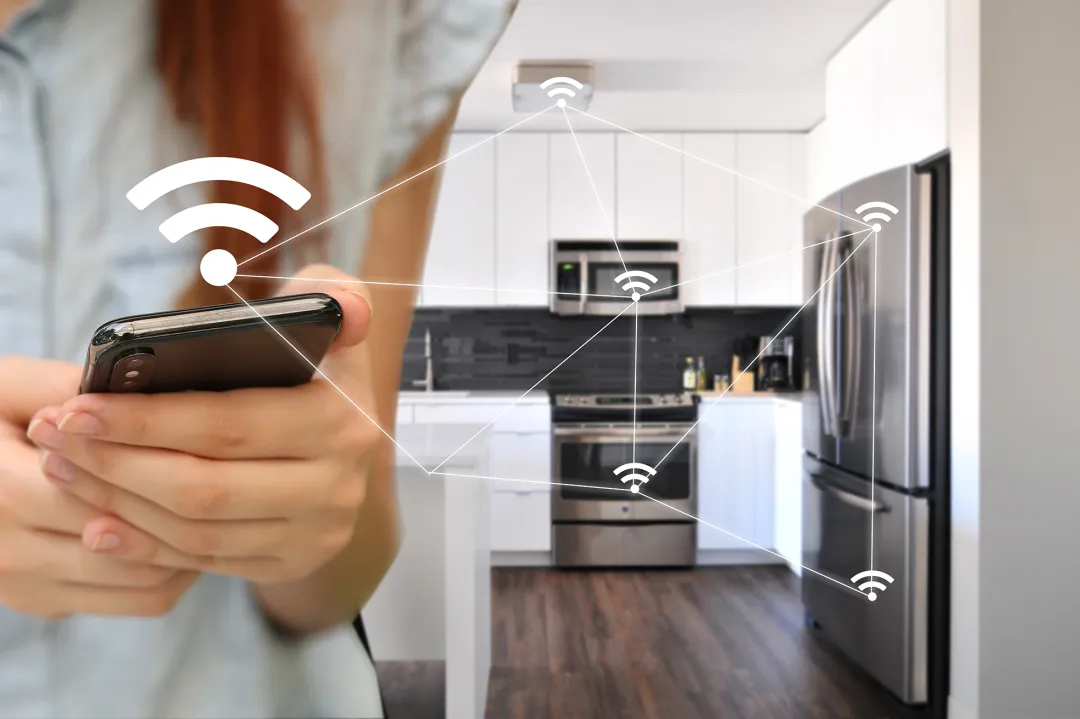

Managing rental properties efficiently has become more complex as tenants expect modern conveniences and property owners seek better oversight. One area where technology is making a significant impact is in automated appliance usage tracking. By leveraging smart devices and connected systems, landlords and property managers can monitor energy consumption, detect misuse, and optimize maintenance schedules. This guide explores practical steps and solutions for implementing automated tracking of appliances in rental units, helping you save time, reduce costs, and enhance tenant satisfaction.
Before diving into the technical details, it’s important to recognize the broader benefits of automating appliance monitoring. Not only does it provide actionable data for property management, but it also supports sustainability efforts and can help prevent costly repairs. For those managing multiple units, integrating scalable rental sensor systems can streamline operations and support portfolio growth.
Why Automate Appliance Monitoring in Rental Properties?
Automating the process of tracking how appliances are used in rentals offers a range of advantages for both landlords and tenants. Here are some of the most compelling reasons to adopt this technology:
- Energy Efficiency: Smart monitoring helps identify inefficient appliances or abnormal usage patterns, allowing for timely intervention and reduced utility costs.
- Preventive Maintenance: Automated alerts can notify property managers of potential issues before they become major problems, reducing downtime and repair expenses.
- Transparency: Tenants appreciate clear communication about energy consumption, especially in all-inclusive or short-term rentals where utilities are bundled.
- Remote Management: With smart systems, property owners can monitor and control appliances from anywhere, streamlining operations for multi-unit portfolios.
For those managing several properties, integrating a property manager smart sensors solution can further enhance oversight and efficiency.
Core Technologies for Automated Appliance Usage Tracking
Several technologies make it possible to track appliance usage automatically in rental settings. Understanding these options will help you select the right setup for your needs:
- Smart Plugs and Outlets: These devices measure the energy consumption of individual appliances and can often be controlled remotely. Many models offer detailed usage reports accessible via mobile apps.
- Smart Meters: Installed at the unit or building level, these meters provide real-time data on electricity, gas, or water consumption, enabling granular tracking of overall usage.
- Connected Appliances: Many modern appliances come with built-in connectivity, allowing for direct monitoring and control through manufacturer apps or integrated smart home platforms.
- Centralized Dashboards: Platforms that aggregate data from multiple sensors and devices make it easier to analyze trends, set alerts, and generate reports for each property.
Choosing the right combination of these technologies depends on your property type, budget, and the level of detail you require.
Step-by-Step Guide to Setting Up Automated Usage Tracking
Implementing automated tracking for appliances in rental units involves several key steps. Here’s a practical approach to get started:
-
Assess Your Needs:
Determine which appliances you want to monitor (e.g., HVAC, water heaters, kitchen devices) and the level of detail required. Consider the size and type of your rental property, as well as tenant privacy concerns.
-
Select Compatible Devices:
Choose smart plugs, meters, or connected appliances that are compatible with your preferred smart home ecosystem (such as Google Home, Amazon Alexa, or Apple HomeKit). Look for devices that offer robust reporting and remote management features.
-
Install and Configure:
Follow manufacturer instructions for installing smart plugs or meters. For connected appliances, ensure they are properly linked to your central dashboard or app. Test each device to confirm accurate data collection.
-
Set Up Alerts and Automations:
Configure notifications for abnormal usage, maintenance reminders, or device malfunctions. Many platforms allow you to automate actions, such as shutting off power to an appliance if it exceeds a certain threshold.
-
Monitor and Optimize:
Regularly review usage reports to identify trends, inefficiencies, or potential issues. Use this data to schedule maintenance, upgrade appliances, or adjust rental agreements as needed.
For more advanced automation, consider integrating a smart alert system for hosts to receive instant notifications about property conditions.
Best Practices for Managing Automated Appliance Data
Once your system is in place, managing the data effectively is crucial for maximizing the benefits of automated tracking:
- Respect Tenant Privacy: Clearly communicate what is being monitored and why. Avoid tracking personal habits or non-essential data.
- Regularly Update Devices: Keep firmware and software up to date to ensure security and compatibility with new features.
- Centralize Data Storage: Use a secure, centralized platform to store and analyze appliance usage data. This makes it easier to generate reports and identify long-term trends.
- Leverage Insights: Use collected data to inform decisions about appliance upgrades, energy-saving initiatives, and rental pricing strategies.
For properties with frequent guest turnover, integrating Airbnb smart access control and rental property access sensors can further enhance security and operational efficiency.
Integrating Automation with Broader Smart Home Solutions
Automated appliance usage tracking is often most effective when combined with other smart home technologies. Integrating systems such as smart thermostats, doorbells, and security sensors can provide a comprehensive view of property conditions and tenant behavior. For a deeper dive into the possibilities, explore resources like this overview of home automation technologies and how they’re transforming property management.
By creating a unified ecosystem, property managers can streamline operations, enhance security, and deliver a better experience for tenants. This approach also makes it easier to scale automation efforts as your portfolio grows.
Common Challenges and How to Overcome Them
While the benefits of automating appliance monitoring are clear, there are some challenges to consider:
- Device Compatibility: Not all smart devices work seamlessly together. Research compatibility before purchasing and consider investing in a centralized platform that supports multiple brands.
- Initial Setup Costs: There may be upfront expenses for hardware and installation. However, these costs are often offset by long-term savings in energy and maintenance.
- Data Security: Protecting tenant data is essential. Use secure networks, enable device encryption, and follow best practices for data privacy.
- Tenant Buy-In: Some tenants may be wary of monitoring technologies. Clear communication and transparency about what is being tracked can help build trust.
With thoughtful planning and the right tools, these obstacles can be managed effectively, allowing you to realize the full value of automated appliance tracking.
FAQ
What appliances can be tracked automatically in rental units?
Most major appliances, including HVAC systems, water heaters, refrigerators, washing machines, and ovens, can be monitored using smart plugs, meters, or built-in connectivity. The choice depends on the appliance type and the level of detail you need.
Is automated appliance tracking legal and ethical?
Yes, as long as you respect tenant privacy and comply with local regulations. Always inform tenants about what is being monitored and why, and avoid collecting unnecessary personal data.
How much does it cost to set up automated tracking for appliances?
Costs vary depending on the number of devices, the type of technology used, and installation requirements. Basic smart plugs are affordable, while whole-home meters and centralized dashboards may require a larger investment. Over time, savings from reduced energy use and maintenance can offset these expenses.