
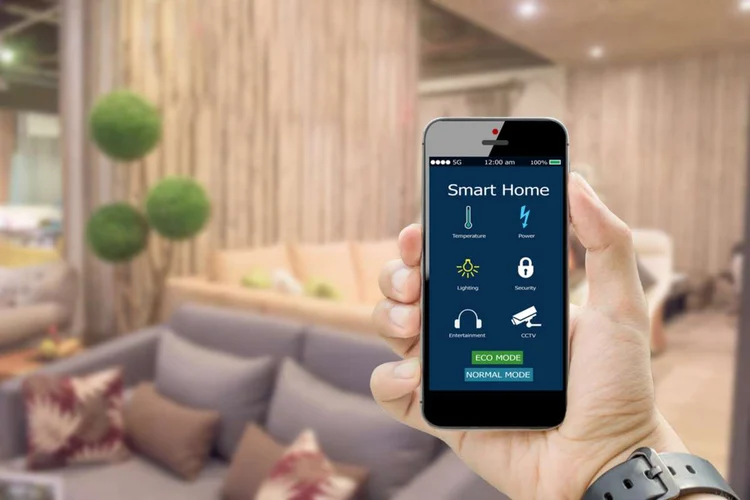

Maintaining optimal air quality in short-term rentals (STRs) is crucial for ensuring guest comfort and health. With the rise of smart home technology, automating air quality monitoring has become more accessible and efficient. This guide explores the steps and tools needed to implement an automated system for tracking and managing indoor air quality in your rental properties.
Before diving into the technical aspects, it’s important to understand the benefits of automated air quality systems. These systems not only enhance guest satisfaction but also help in maintaining property value by preventing issues related to poor air quality. For property owners looking to optimize their rental operations, integrating such technology can be a game-changer. For more insights on optimizing rental properties, consider exploring our Airbnb zoning strategy for investors.
Choosing the Right Devices for Air Quality Monitoring
The first step in automating air quality monitoring is selecting the appropriate devices. Smart air quality monitors are equipped with sensors that detect pollutants such as carbon dioxide, volatile organic compounds (VOCs), and particulate matter. These devices can be integrated with smart home systems, allowing for real-time monitoring and alerts.
When selecting a device, consider factors such as compatibility with existing smart home systems, ease of use, and the range of pollutants detected. Popular options include devices that connect seamlessly with platforms like Google Home or Amazon Alexa, providing a centralized control system for all smart devices in the property.
Integrating Smart Home Systems
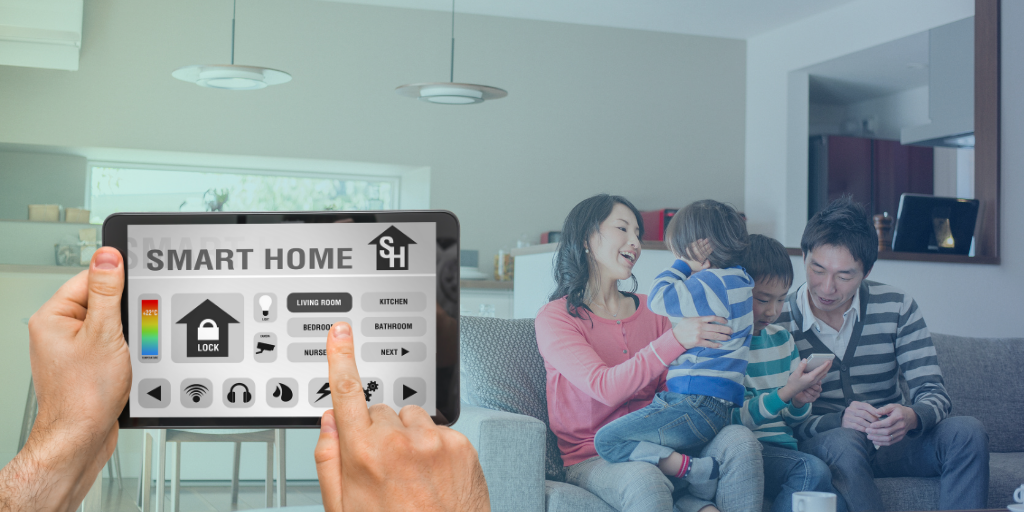
Integrating air quality monitors with a smart home system enhances their functionality. By connecting these devices to a central hub, you can automate responses to poor air quality. For instance, if high levels of carbon dioxide are detected, the system can automatically activate ventilation systems or send alerts to property managers.
Platforms like Rently Smart Home offer comprehensive solutions for integrating various smart devices, including air quality monitors, thermostats, and security systems. This integration not only simplifies management but also provides a seamless experience for guests.
Setting Up Alerts and Notifications
Once your devices are integrated, setting up alerts and notifications is essential for proactive management. Most smart air quality monitors allow you to configure alerts for specific thresholds. This means you can receive notifications via email or mobile app when air quality falls below acceptable levels.
These alerts enable you to take immediate action, such as adjusting ventilation or informing guests of necessary precautions. This proactive approach not only ensures guest safety but also enhances the reputation of your rental property.
Maintaining and Updating Your System
Regular maintenance and updates are crucial for the longevity and effectiveness of your air quality monitoring system. Ensure that all devices are functioning correctly and that software updates are applied promptly. This will help in maintaining accurate readings and efficient operation.
Additionally, consider periodic reviews of your system’s performance to identify any areas for improvement. This might include upgrading devices or expanding the system to cover more areas within the property.
FAQs
What Are the Benefits of Automating Air Quality Monitoring?
Automating air quality monitoring in rental properties ensures consistent air quality, enhances guest comfort, and prevents potential health issues. It also simplifies management by providing real-time data and alerts.
How Do Smart Air Quality Monitors Work?
Smart air quality monitors use sensors to detect pollutants such as carbon dioxide and VOCs. They connect to smart home systems, allowing for automated responses and real-time monitoring through mobile apps.
Can I Integrate Air Quality Monitors with Other Smart Devices?
Yes, air quality monitors can be integrated with other smart devices like thermostats and ventilation systems. This integration allows for automated responses to changes in air quality, enhancing overall property management.