
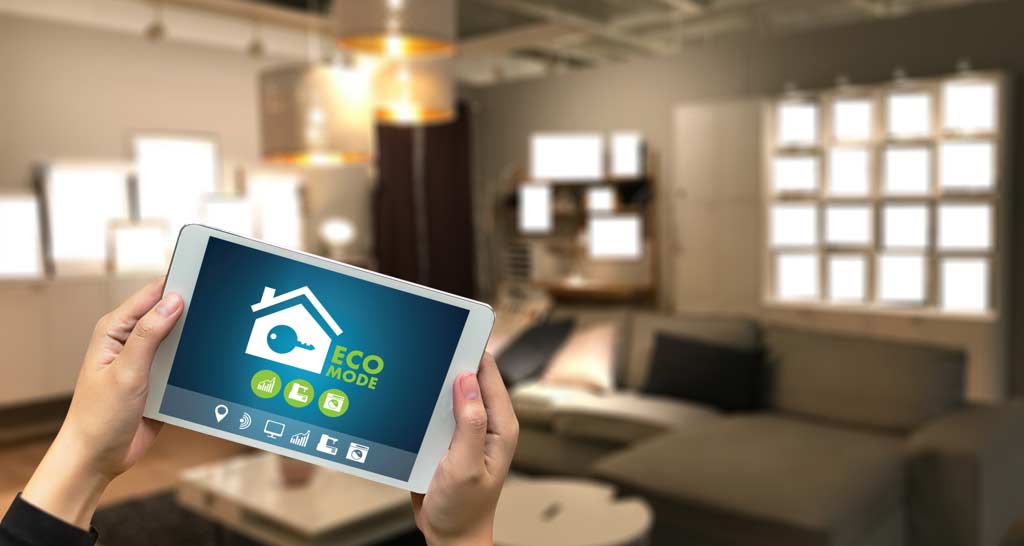

As energy costs continue to rise, both landlords and tenants are searching for practical ways to lower monthly utility expenses in rental properties. How home automation reduces energy bills is a topic gaining traction, especially as smart technology becomes more accessible and affordable. By integrating automated systems into rentals, property owners and residents can gain more control over energy use, leading to significant savings and increased comfort.
This article explores the most effective smart home solutions for rentals, the benefits for both landlords and tenants, and actionable steps to get started. If you’re also interested in optimizing your rental strategy, consider reviewing resources like airbnb zoning strategy for investors to ensure compliance and maximize returns.
Understanding Smart Home Technology in Rentals
Smart home automation refers to the use of connected devices and systems that can be remotely monitored, controlled, and optimized. In rental properties, these technologies allow for centralized management of lighting, heating, cooling, and even appliances. The main goal is to minimize unnecessary energy consumption without sacrificing comfort or convenience.
For landlords, installing smart devices can make a property more attractive to potential tenants, while also providing tools to monitor and manage energy use. Tenants benefit from reduced utility bills and the convenience of automation, such as adjusting the thermostat from their phone or setting lights to turn off automatically when leaving the apartment.
Key Ways Automation Lowers Utility Costs
There are several core features of smart home systems that directly impact energy savings in rentals. Here are the most effective methods:
- Smart Thermostats: Devices like the Google Nest Thermostat learn tenant schedules and adjust heating and cooling automatically, ensuring energy isn’t wasted when no one is home. These thermostats can also be controlled remotely, making it easy to optimize settings on the go.
- Automated Lighting: Smart bulbs and switches can be programmed to turn off after a set period or when rooms are unoccupied. Motion sensors further reduce wasted electricity by ensuring lights are only on when needed.
- Energy Monitoring Plugs: These plugs track the energy usage of individual devices, helping tenants identify and unplug appliances that draw power even when turned off (so-called “vampire loads”).
- Smart Blinds and Shades: Automated window coverings can be set to open or close based on the time of day, reducing the need for heating or cooling by taking advantage of natural sunlight or insulation.
- Leak and Water Sensors: While not directly related to electricity, these sensors can prevent costly water damage and reduce water waste, contributing to overall utility savings.
Benefits for Landlords and Tenants
Implementing smart automation in rental units delivers advantages for both property owners and residents. For landlords, the main benefits include:
- Lower Vacancy Rates: Rentals equipped with smart features are more appealing, often leading to faster occupancy and higher tenant satisfaction.
- Remote Management: Landlords can monitor and control certain systems (with tenant consent), reducing the risk of damage or excessive energy use between tenants.
- Property Value: Upgraded units may command higher rents and increase overall property value.
Tenants, on the other hand, enjoy:
- Reduced Utility Bills: Automated systems help keep energy usage in check, lowering monthly expenses.
- Convenience: The ability to control lighting, temperature, and security from a smartphone or voice assistant streamlines daily routines.
- Comfort and Safety: Smart sensors and devices can enhance comfort while providing peace of mind, such as alerts for open doors or unusual activity.
Popular Devices That Help Cut Energy Costs
The market offers a wide range of smart devices designed to help manage and reduce energy consumption. Some of the most impactful options for rentals include:
- Smart Thermostats: As mentioned earlier, these devices are among the most effective for optimizing heating and cooling schedules.
- Smart Plugs: These can be used to automate lamps, fans, or other appliances, making it easy to turn them off remotely or on a schedule.
- Smart Lighting Systems: LED bulbs with automation features can be grouped, dimmed, or scheduled, further reducing electricity use.
- Energy Monitoring Systems: Whole-home monitors provide real-time feedback on energy use, helping tenants and landlords identify high-usage patterns.
For a step-by-step guide on setting up automation in rental properties, check out this comprehensive resource on automating rental properties.
Getting Started with Automation in Your Rental
Introducing smart devices into a rental property doesn’t have to be complicated or expensive. Here are some practical steps for landlords and tenants:
- Assess Needs and Permissions: Landlords should determine which systems will offer the most value and ensure any installations comply with local regulations and lease agreements.
- Start Small: Begin with one or two devices, such as a smart thermostat or lighting kit, to gauge effectiveness and tenant interest.
- Educate Tenants: Provide clear instructions on how to use and benefit from the technology. This increases adoption and maximizes savings.
- Monitor and Optimize: Use the data provided by smart devices to identify further opportunities for energy savings.
For those managing short-term rentals or considering expansion into new markets, reviewing short term rental zoning best practices can help ensure your property remains compliant while integrating new technology.
Frequently Asked Questions
What are the most effective smart devices for reducing energy costs in rentals?
The most impactful devices include smart thermostats, automated lighting systems, and energy monitoring plugs. These tools help control heating, cooling, and lighting, which are typically the largest contributors to energy bills.
Do tenants need special skills to use smart home technology?
Most modern smart devices are designed for ease of use, often controlled through intuitive smartphone apps or voice assistants. Landlords can provide simple guides to help tenants get started and take full advantage of automation features.
Are there privacy concerns with installing smart devices in rentals?
Privacy is important. Landlords should only install devices that do not intrude on tenant privacy, such as thermostats and lighting controls. Security cameras or monitoring systems should never be placed inside living spaces without explicit tenant consent.
Conclusion
Embracing how home automation reduces energy bills in rental properties offers clear benefits for both landlords and tenants. By implementing smart thermostats, lighting, and monitoring devices, it’s possible to lower utility costs, increase property value, and provide a more comfortable living experience. As technology continues to evolve, adopting these solutions will become even more accessible and rewarding for everyone involved.